

Last Updated on 03/05/2025 by Chris Gampat
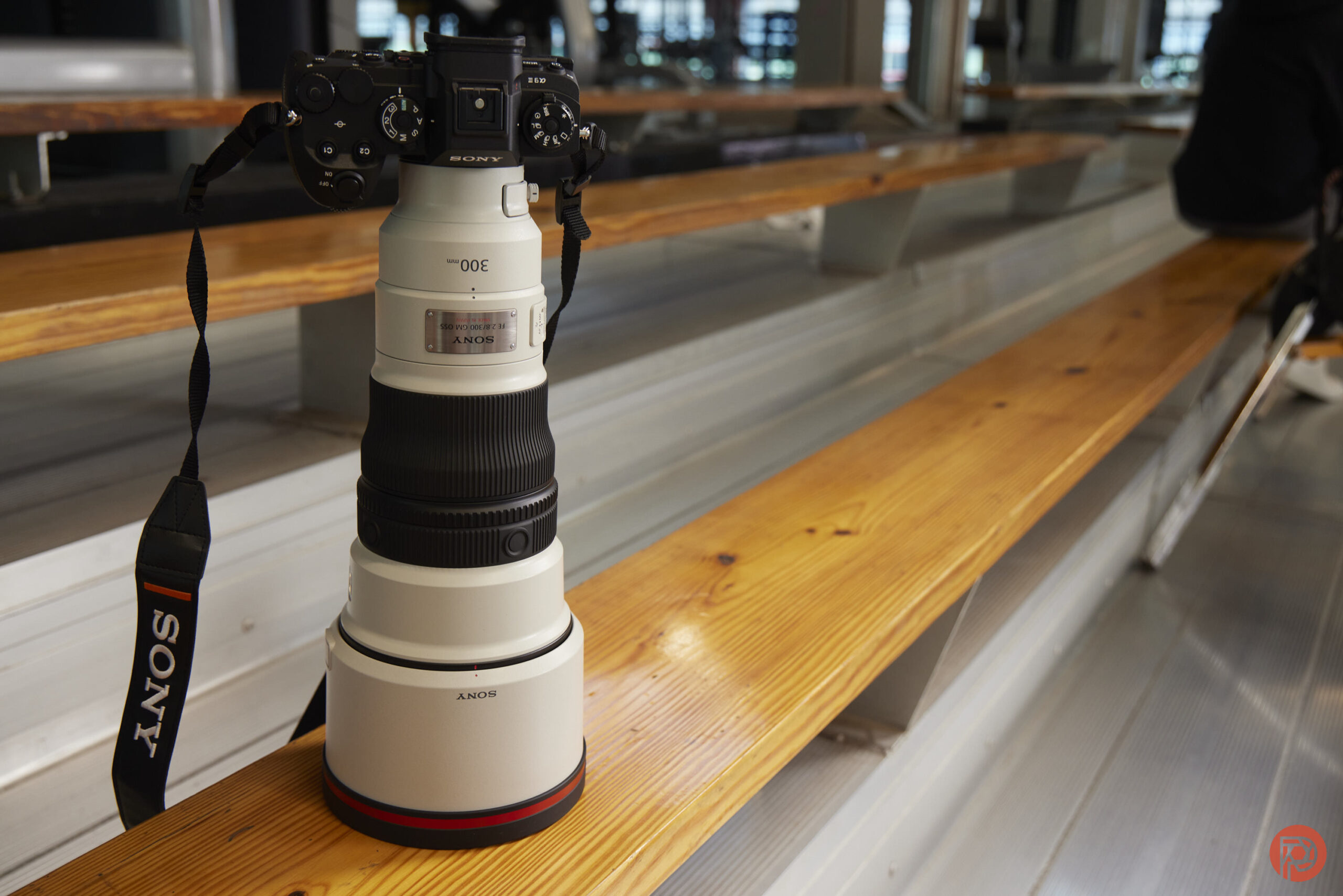
In the world of journalism about the photography world, I tend to be one of the youngest people in the room (I’m not counting YouTubers as accredited journalists.) And with that said, I often hear the cries from older men along the lines of, “It’s heavy” when discussing many telephoto optics that they’re trying to belittle. But you can’t really belittle the Sony 300mm f2.8 G Master — because it’s got a lot going for it that’s going to satisfy tons of photographers who use it. While Sony seemingly marketed it a lot to sports photographers, I think that it’s fair to say that sports departments are closing down all around the world. So who will shoot with it instead?
Some images in this review were shot while on an all-expenses-paid press junket to Sony Creative Space. Sony paid for Uber transportation for us from our base in NYC to and from the location. We declined to stay at a hotel or anything else beyond some refreshments during the testing period. But, the majority of the images in this review were shot on our own bill. Phoblographer’s editors are trained to resist temptation in the industry, and as such, the opinions in this review are our own. We stand by our words, and transparency is the key here. You can read more about our transparency here.
Tech Specs
These specs are taken from our original coverage of the lens.
- Lightest full frame 300mm f2.8 yet at 51.9 ounces
- Designed for G Master sharpness
- Two linear XD autofocus motors
- Function ring quickly enters into APS-C crop mode
- Magnesium alloy construction that is dust and moisture-resistant
- Redesigned hood with one-handed unlock
- Shipping in Spring 2024 for $5,999
Ergonomics
The Sony 300mm f2.8 G Master is, well, honestly perfect. Granted, the last time that I’ve held a lens like this was years ago when Canon believed that no one was buying mirrorless cameras. It’s big, but it has to be. It’s lightweight and has a ton of controls on it. And by default, the focusing ring can override the focusing on the camera. For birding photography, this is pretty important.
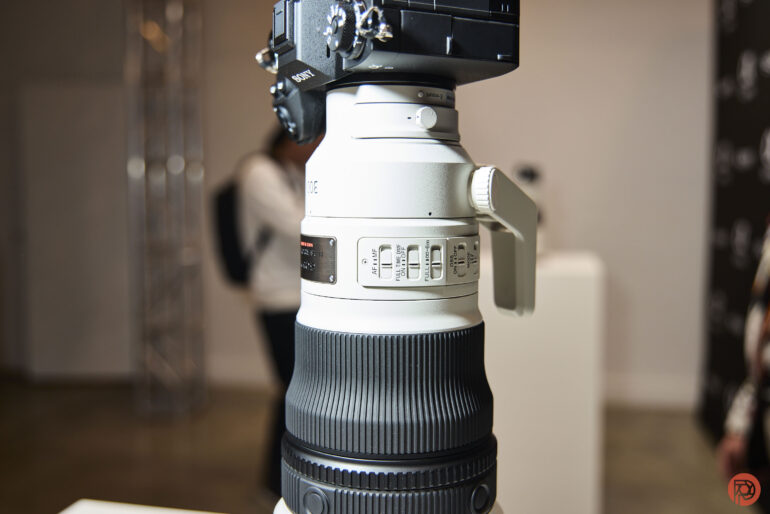
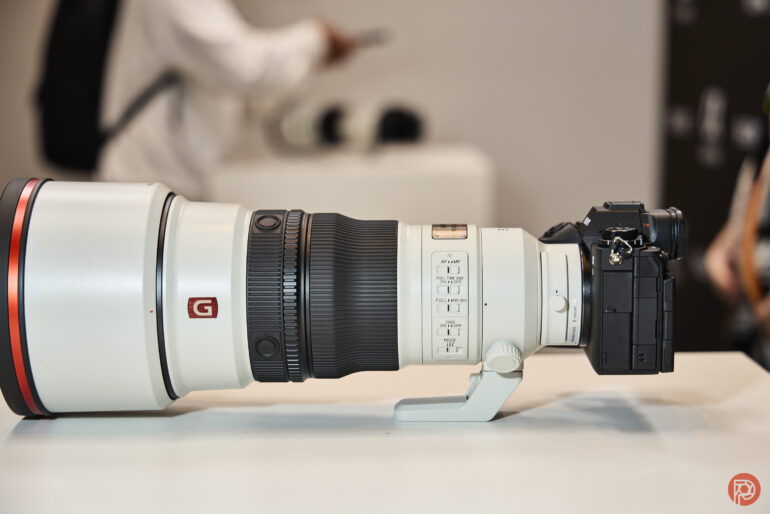
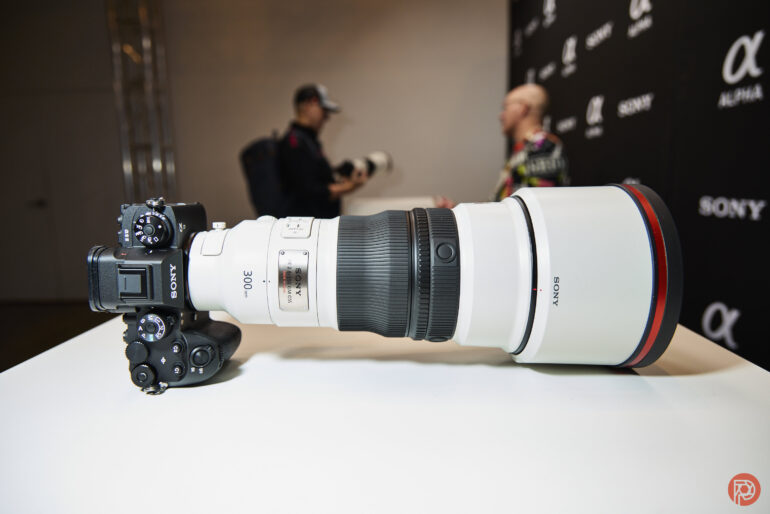
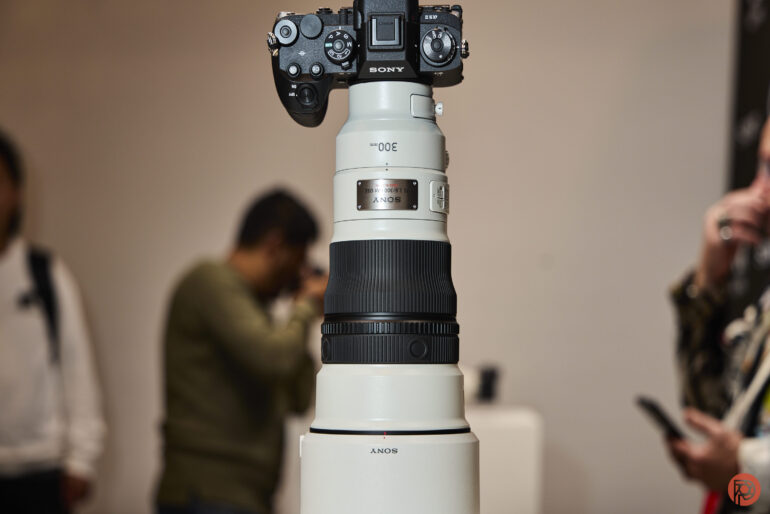
Holding the lens for long periods of time is also very manageable. I’m not even kidding I’ve held modern Sigma prime lenses that seem bigger, heavier, and nowhere as well balanced. This is a lens that I could see myself using all day on a hike or something.
Updates Feb 2025
I did feel the need to use a monopod during my first shoot with the Sony 300mm f2.8 G Master on a Sony a1 II body, as I was shooting with it for a long period of time. That day however, I didn’t have a monopod at hand. However, once you use this lens for a few weeks, you’ll get accustomed to handholding it for long periods of time, provided you have a comfortable shoulder strap.
Build Quality
This lens is said to be weather resistant and dust-resistant. We weren’t able to put it through a test accordingly to figure this out because the weather was just fine here in NYC. In our tests though, Sony’s G Master lenses are as good as we’ve found previously with other brands. They’re much better than their lower end products and their G series. So when paired with the right cameras, we’re sure that the Sony 300mm f2.8 G Master will do just fine. But we have to see when we get a review unit in — this was a pre-production unit.
Ease of Use
This lens is simple to use. Put it on your camera, point, focus, shoot — and then enjoy the images. There are tons of controls on it. And if anything, I wish that it offered a focus limiter that limits the focus to a closer range instead of a further range. But when combined with the image stabilization and overall performance of Sony’s cameras, I think that photographers will be in love here.
Focusing
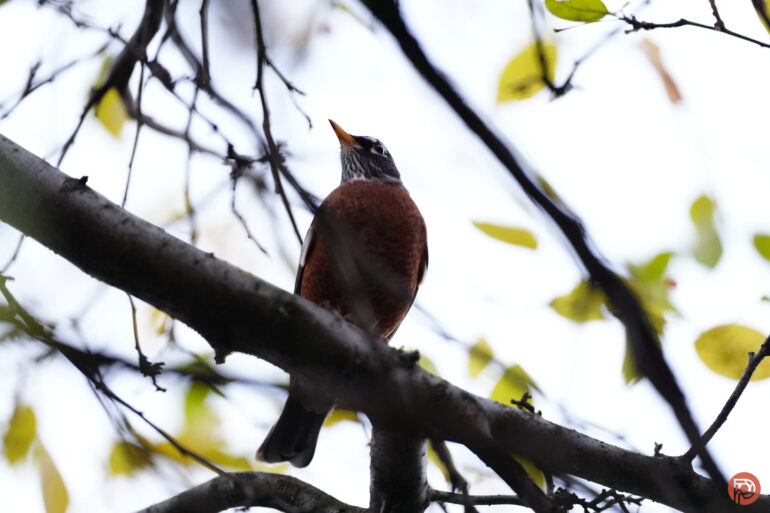
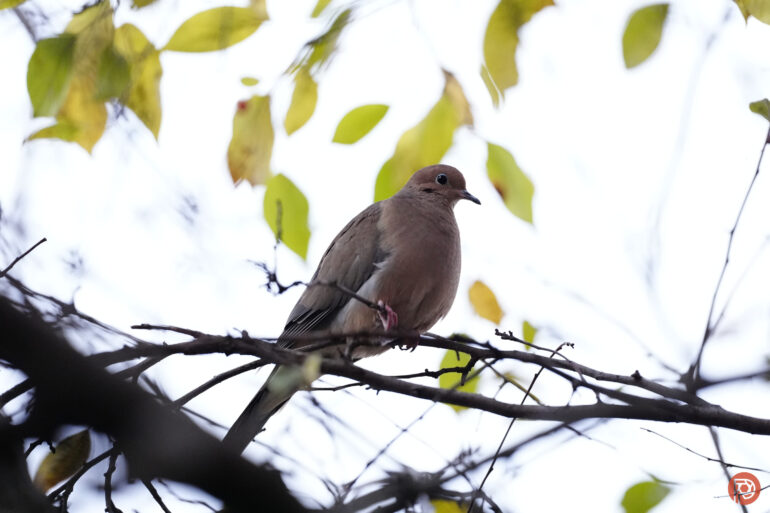
The Sony 300mm f2.8 G Master is a beast to use, and that’s partially because of the autofocus performance. It’s incredibly fast but it’s not always accurate. When using it to photograph birds in branches and leaves, it did alright. The lens and camera surely needed help though. Touching up the focusing manually helps here. But otherwise, in good lighting, I think that this lens will perform pretty well.
Update Feb 2025
When Animal AF tracking was turned on, the Sony A1 II using firmware 2.0 didn’t quite pick up the horses as they came around the bend of the racetrack to the final stretch. It wasn’t a dealbreaker, but it was noticeable enough to make me wish that this lens came came with an inbuilt teleconverter. A stark reminder that even the best AF systems have limits when tracking fast-moving subjects in complex environments. Something that Sony can correct with a firmware update, no doubt. But when it mattered the most, as the horses thundered towards the finish line, the lens and camera were able to lock on and hold focus on the leading horse until such time as I had the AF button engaged. The Sony 300mm f2.8 autofocus handled the chaos of the racetrack with the kind of precision and reliability that you expect from a quality professional lens like this.
Image Quality
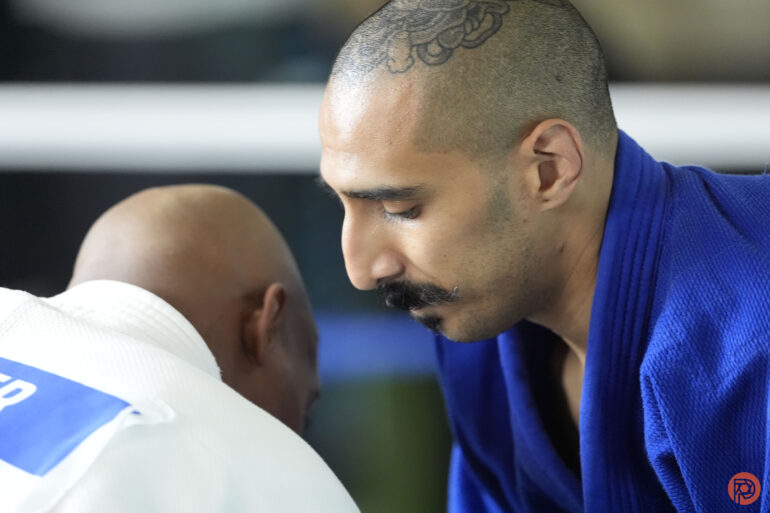
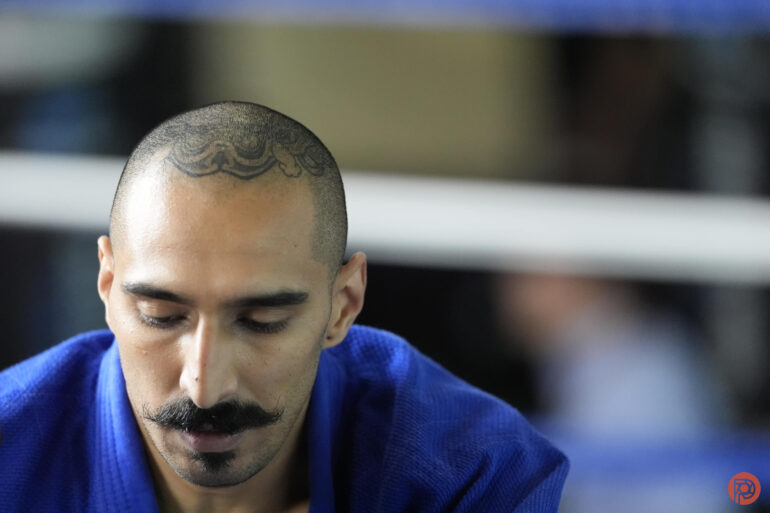
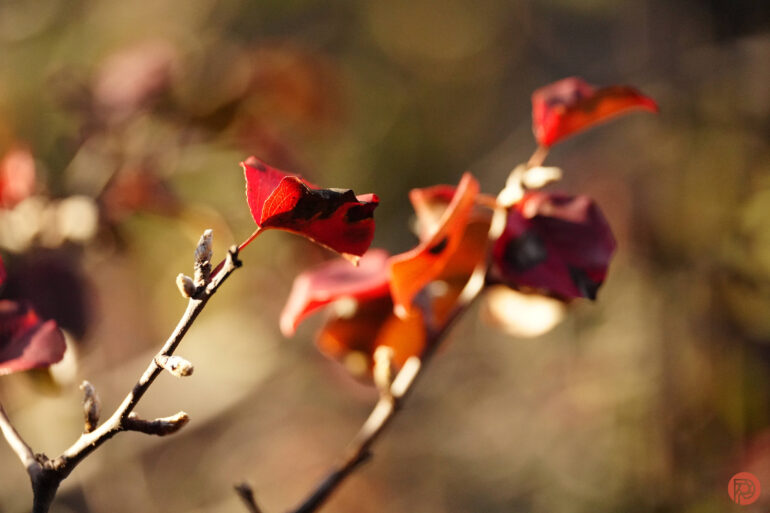
Again, there isn’t much to complain about or really say except that it’s good. The bokeh is creamy — and what else would you expect from a lens like this? It’s also sharp — considering that the E mount doesn’t have anything else like this, there’s no point in complaining.
Here are a few other sample images that we shot using the a9 III and the Sony 300mm f2.8 G Master.

Update Feb 2025
The G Master annotation instills trust in whoever handles a lens with this badge. The Sony 300mm f2.8 GM is an excellent example of what Sony’s R&D team can produce when they put their minds to it. Some of the fastest horses in the world were no match for the AF speed and accuracy of this lens, creating some amazing results at the track for me. In all honesty, aside from cropping and some slight shadow boosting, most of the images below don’t have any other retouching done to them.


First Impressions
I spent less than 24 hours with the new Sony 300mm f2.8 G Master in my possession. And I truly didn’t have the time to take it out into a situation that I’d actually use it in. Sony’s own demo setup was lit for a cinematic look — and didn’t represent how people would photograph otherwise. So we’re looking forward to giving it a real test in real life situations when it comes in for review. Stay tuned!
Get rid of the ads!
Did you enjoy reading this article as much as we enjoyed writing it? There's a way to support us and our reporting, getting ad-free navigation and more as a bonus. Subscribe to us for less than a coffee per month —just $3.99— or take advantage of our yearly subscription with a hefty discount for only $25.- An ad-free experience
- A free mystery box for Lightroom or Capture One
- All the books in our store
- 20% discount on Capture One
- 30% discount on Imalume Photo Theft Protection
- 20% off Herbs and Kettle Tea Company.
- 20% off your order from MPIX printing services.
- 5% off Viltrox Products via their eCommerce store.
- 10% off all film developing, printing and scanning services from Blue Moon Camera and Machine
- 15% off 7Artisans products: The lens and accessory maker is offering a sweet discount for Phoblographer's readers.