

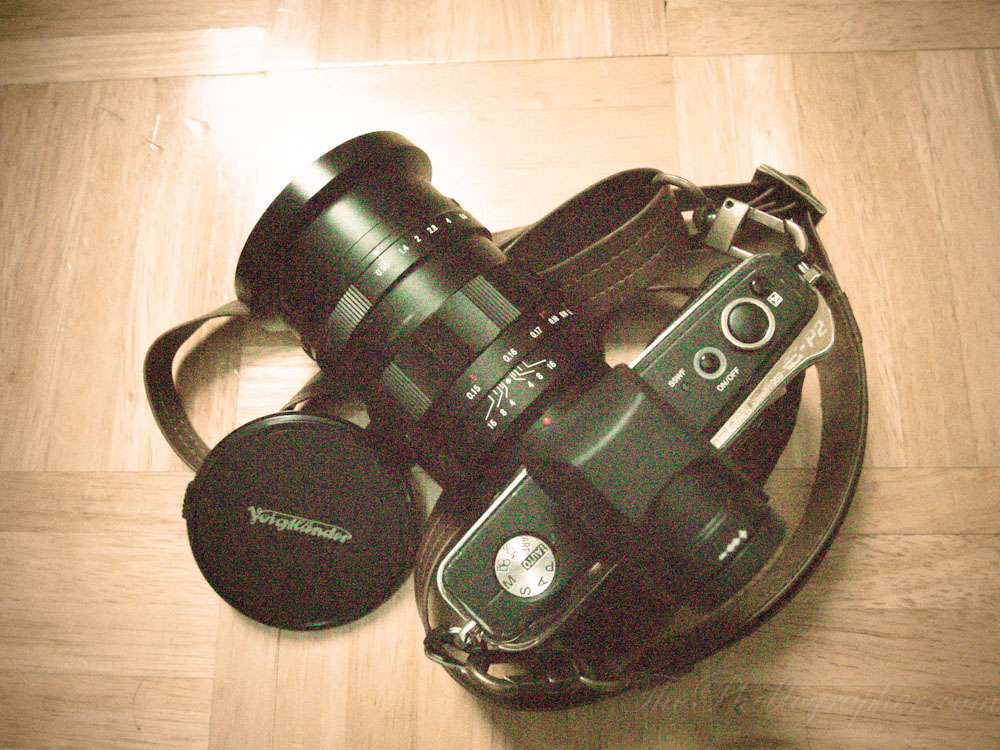
Do you see that lens up above? That is the Voigtlander 17.5mm f0.95 Nokton for Micro Four Thirds; and it is perhaps the lens that has locked me into the system and also renewed my faith in it. Using this lens I can do so much. Not only is it characterized by its fast aperture, but it is also a 35mm equivalent field of view: which is honestly my favorite focal length.
Before I even get into this review, know that it is an overwhelmingly positive one even though swallowing the cost of the lens was a bit much for me. After weeks of use though, that has all gone away.
Gear Used
Tech Specs
Specifications taken from the B&H Photo listing of the lens:
| Features | |
|---|---|
| Image Stabilization | No |
| Autofocus | No |
| Tripod Collar | No |
| Physical | |
|---|---|
| Filter Thread | Front: 58 mm |
| Dimensions (DxL) | Approx. 2.50 x 3.15″ (63.4 x 80 mm) |
| Weight | 19.05 oz (540 g) |
Previous Posts Used In
With the OMD on a Cosplay Shoot
Design Spotlight: Pentax K-01 (over at Gear Patrol)
Ergonomics
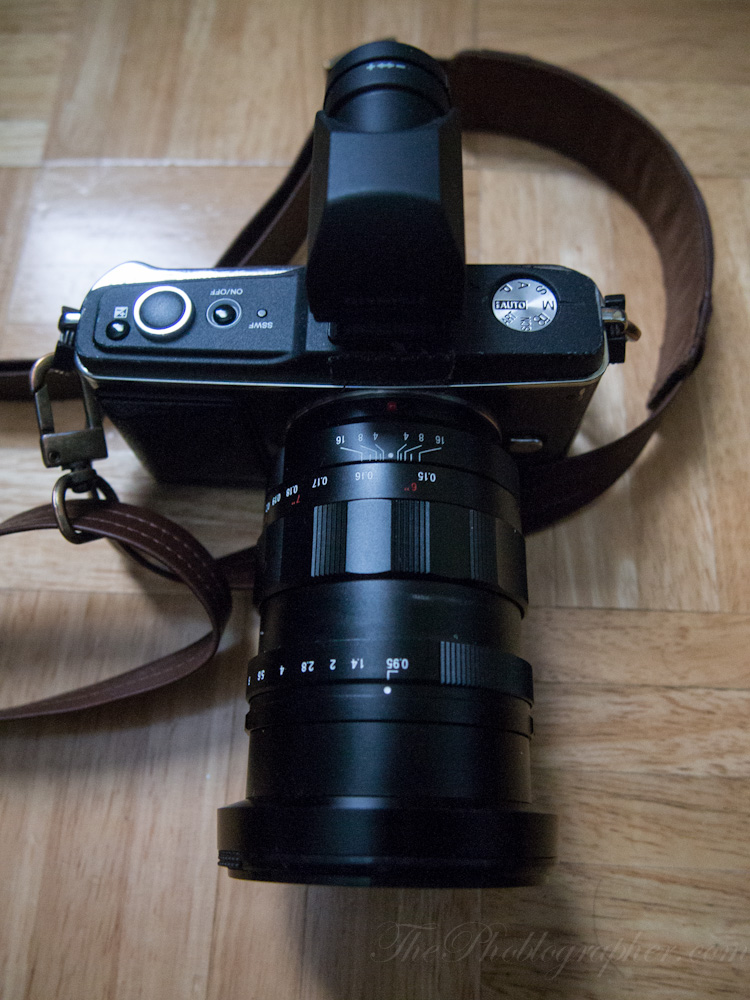
First off, you should know that this is a large, hefty lens. You won’t be putting it in your Premium Pen case (which is where the camera strap in these photos are from because I know many of you will ask me this.) It is characterized by a large focusing ring and a moderately sized aperture ring. The hood screws off, but I have chosen to keep it on at all times. Thankfully, Voigtlander provides you with two lens caps: one for use with the hood and one for use without it.
Behind the focusing scale is a depth of field scale for hyperfocal length shooting, also known as zone focusing.
In front of the aperture ring is another ring which can be turned to enable stepless aperture changes.
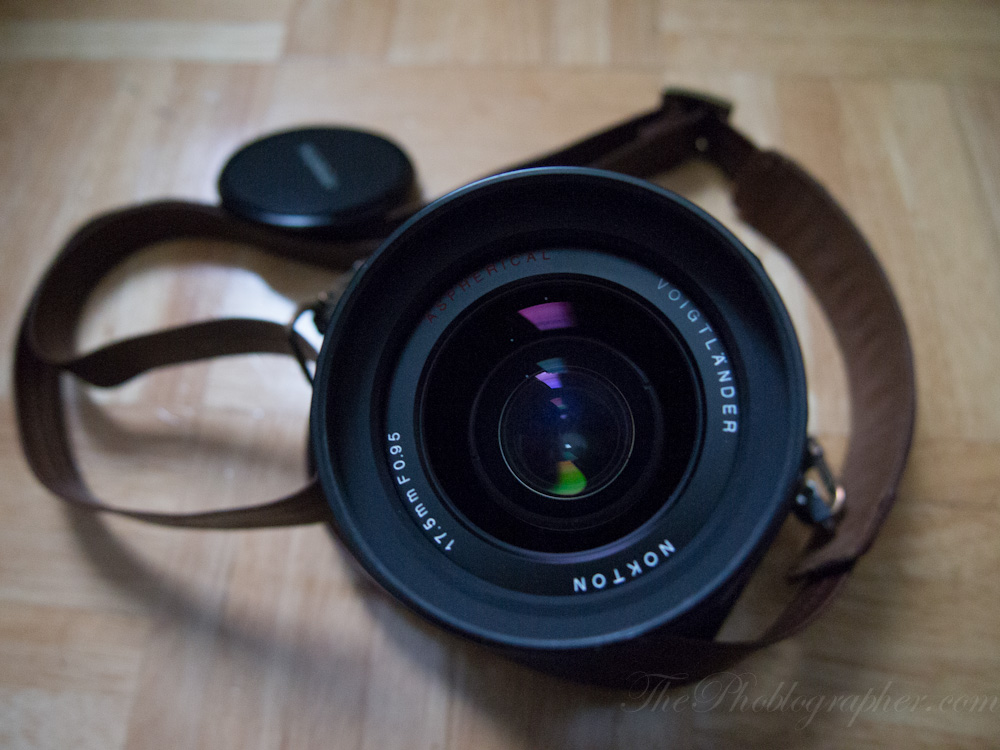
The front element of this lens is quite large for Micro Four Thirds. What is also nice is the fact that as the aperture changes, you will see it in the front element.
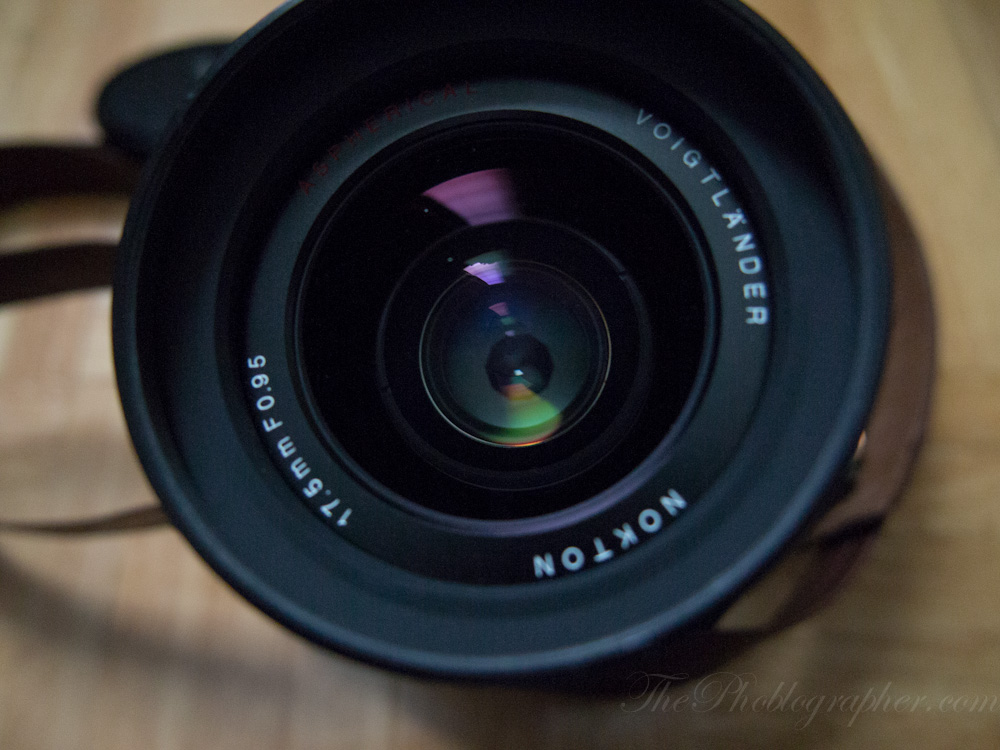
The major reason for this is because the lens is not electronically coupled to the camera, it is only a metal mount. In fact, the entire lens is made of metal and glass.
Focusing

Focusing this lens should only be done with a VF2 viewfinder or the OMD EM5’s electronic one built in. Those are the only LCD screens with enough resolution for one to see what is clearly in focus. A camera’s LCD screen otherwise can be a bit tough to manage considering that Micro Four Thirds does not have Sony’s excellent peaking feature.
For the most part, this applies to shooting wide open. At around f2 and narrower, it becomes much easier to focus.

Of course, you could also use zone focusing if you choose.
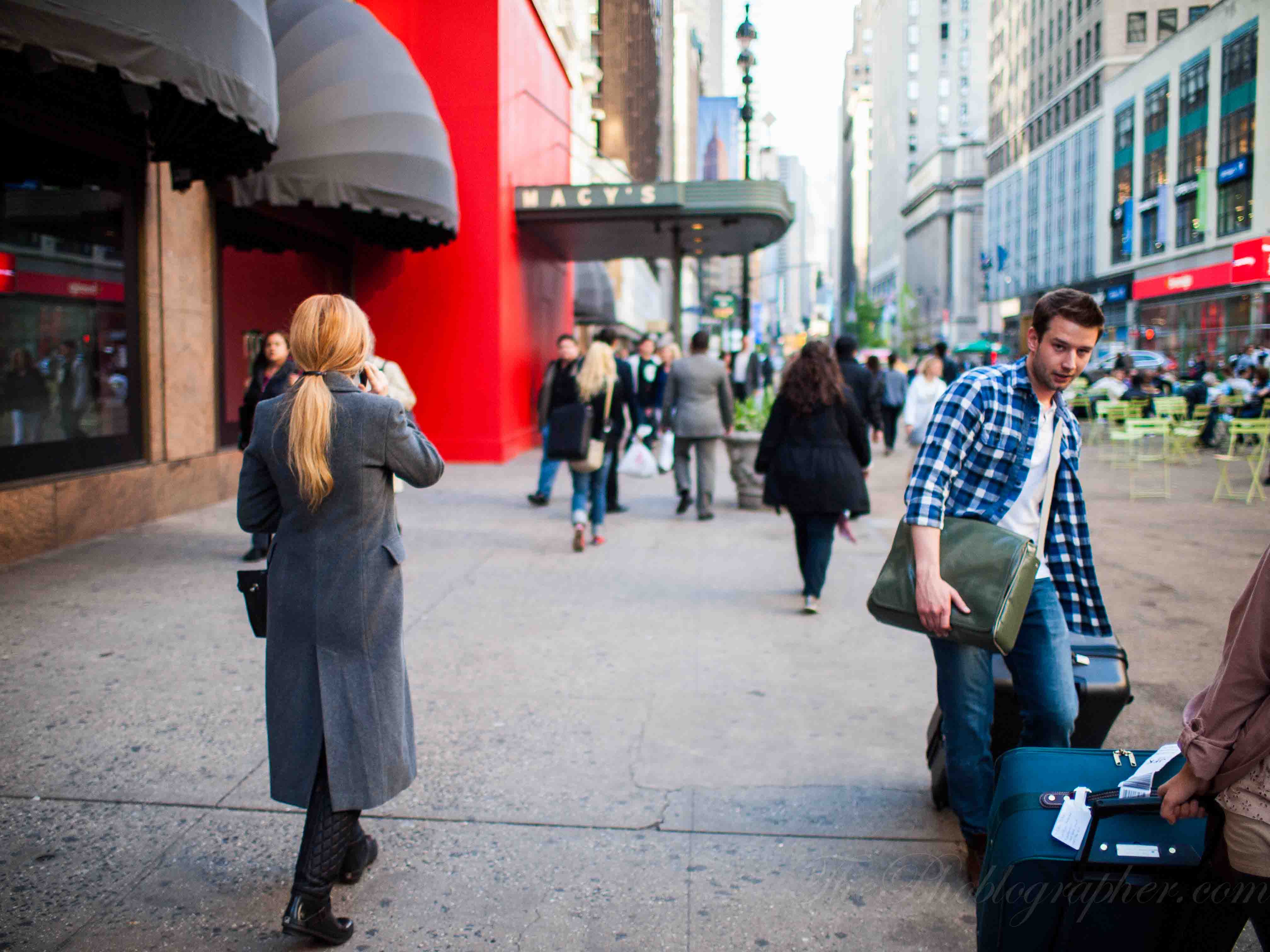
A word of caution though: if you’re not one to love manually focusing a lens, then this isn’t a lens for you. In fact, sometimes the focusing is so smooth that there will be times when one can’t even get to a certain spot in time to focus on a candid moment. For the record, this lens focuses from 6 inches to 4 feet away. Covering all that distance is quite a feat.
Image Quality
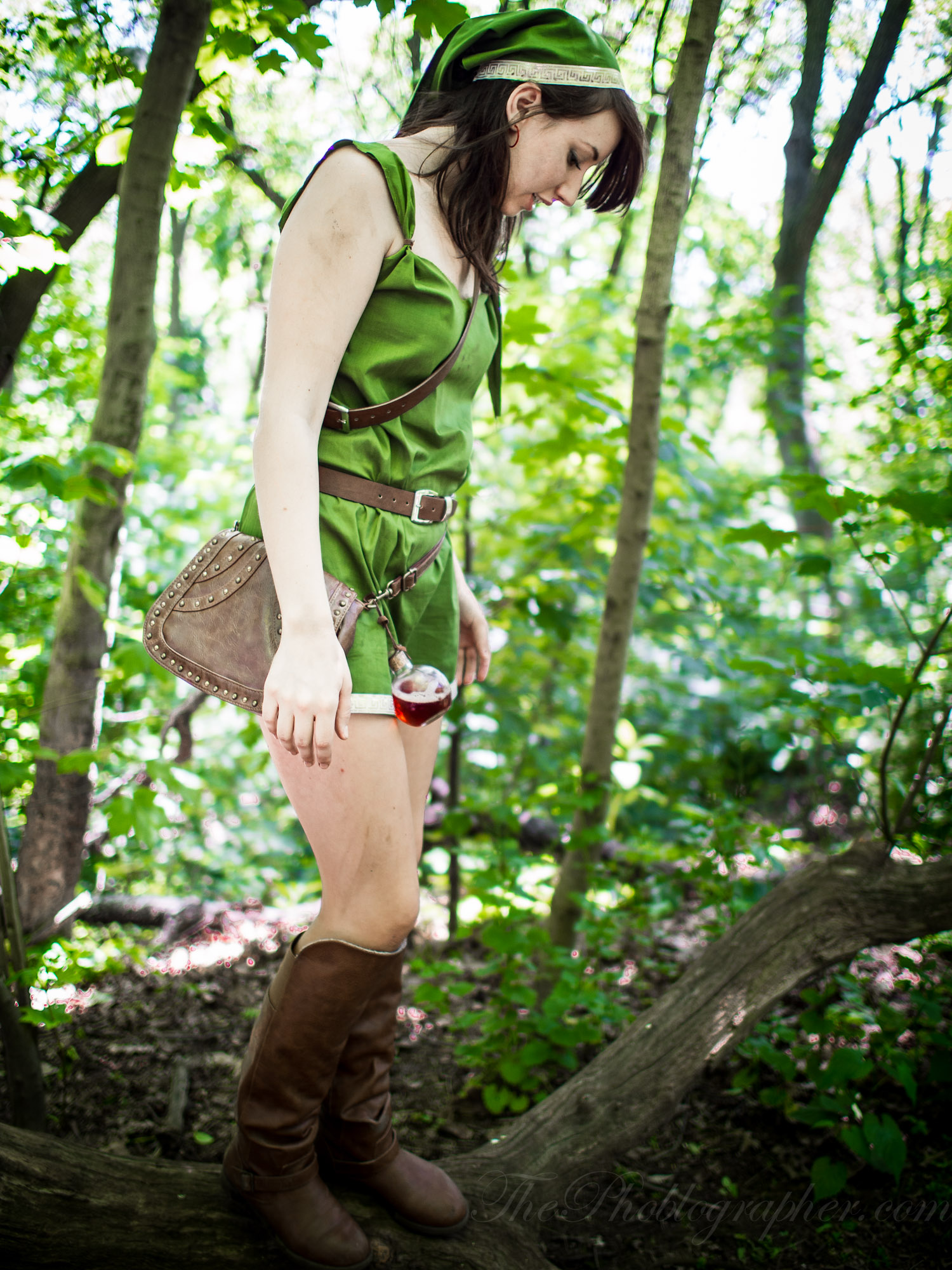 I have fallen head over heels and absolutely in love with this lens. When attached to my EP2 or EPM1, I’m motivated to constantly go out and shoot with only available light.
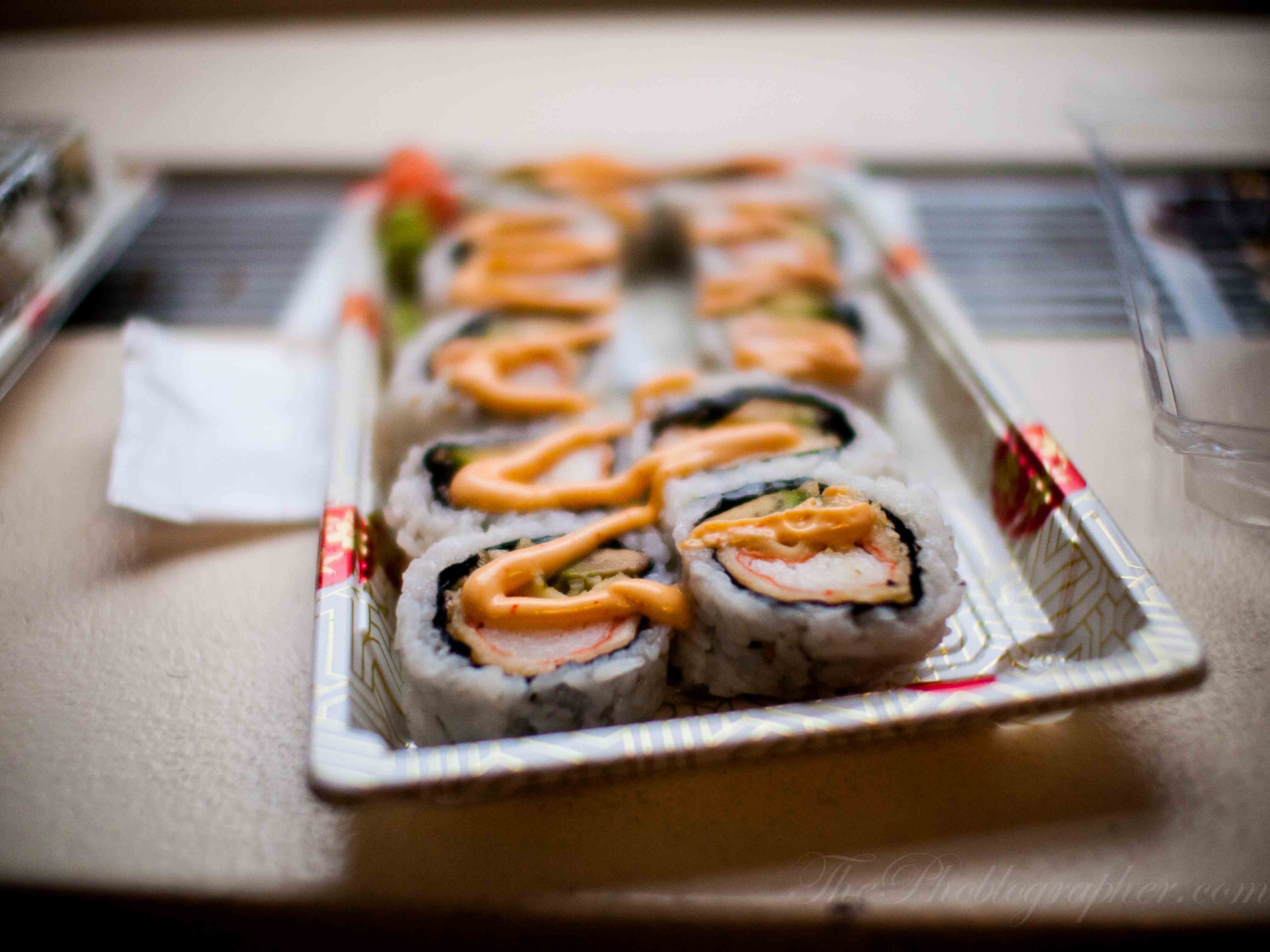
The color rendition is terrific and one obviously gets what they pay for when they purchase this lens. It tends to change over the apertures though. Wide open, everything will be super saturated and wonderfully creamy and warm. Stop down to f4 and narrower, and things start to become much cooler.
The sweet spot is around f2.8 where one balances both sharpness and having lots in focus. You can liken f2.8 to having as much depth of field as around f6.3 on a full frame camera body.
As it is, f0.95 is already around the equivalent of f1.4 on a full frame.
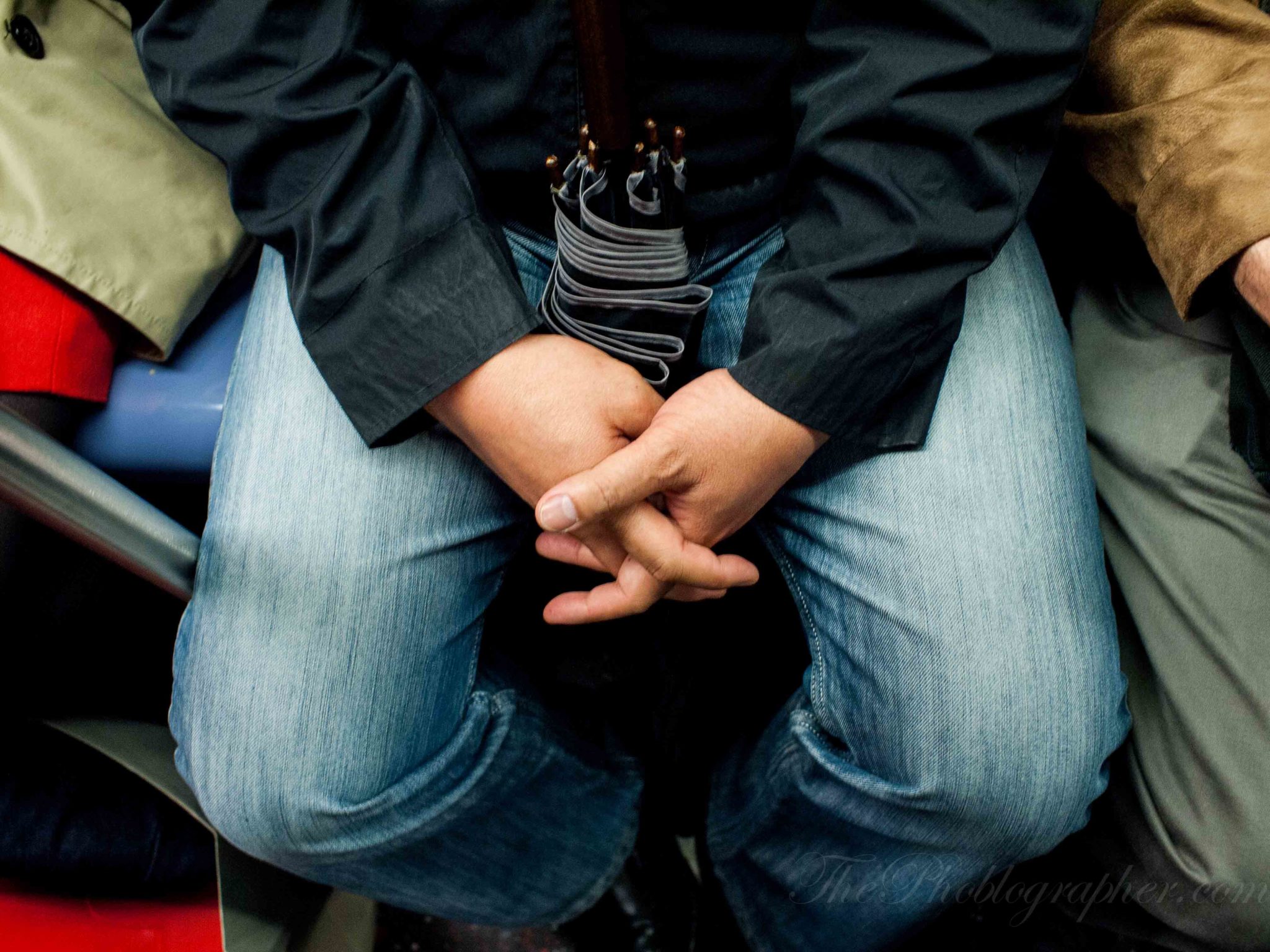
This lens was ultimately designed for street photographers and photojournalists. And if you love photographing people, you’ll be pleasantly content to hear that the skin tone rendering with this lens in second to none even in the lowest of lighting situations.
Best of all: even with older camera bodies, you’ll only need to open the lens up all the way in order to fight the need to go to a higher ISO setting as the higher ISOs weren’t as great on Micro Four Thirds bodies as they are today.
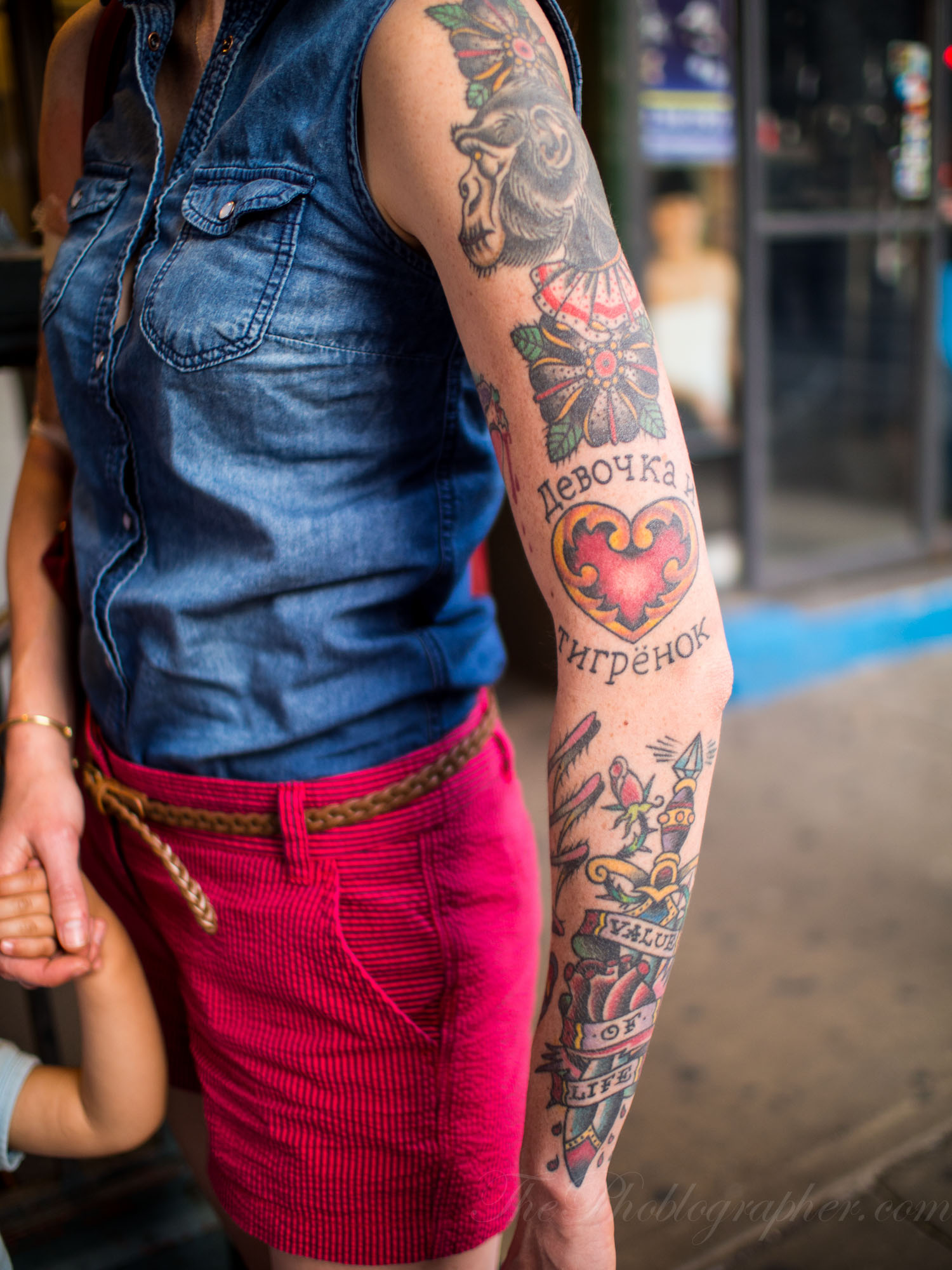
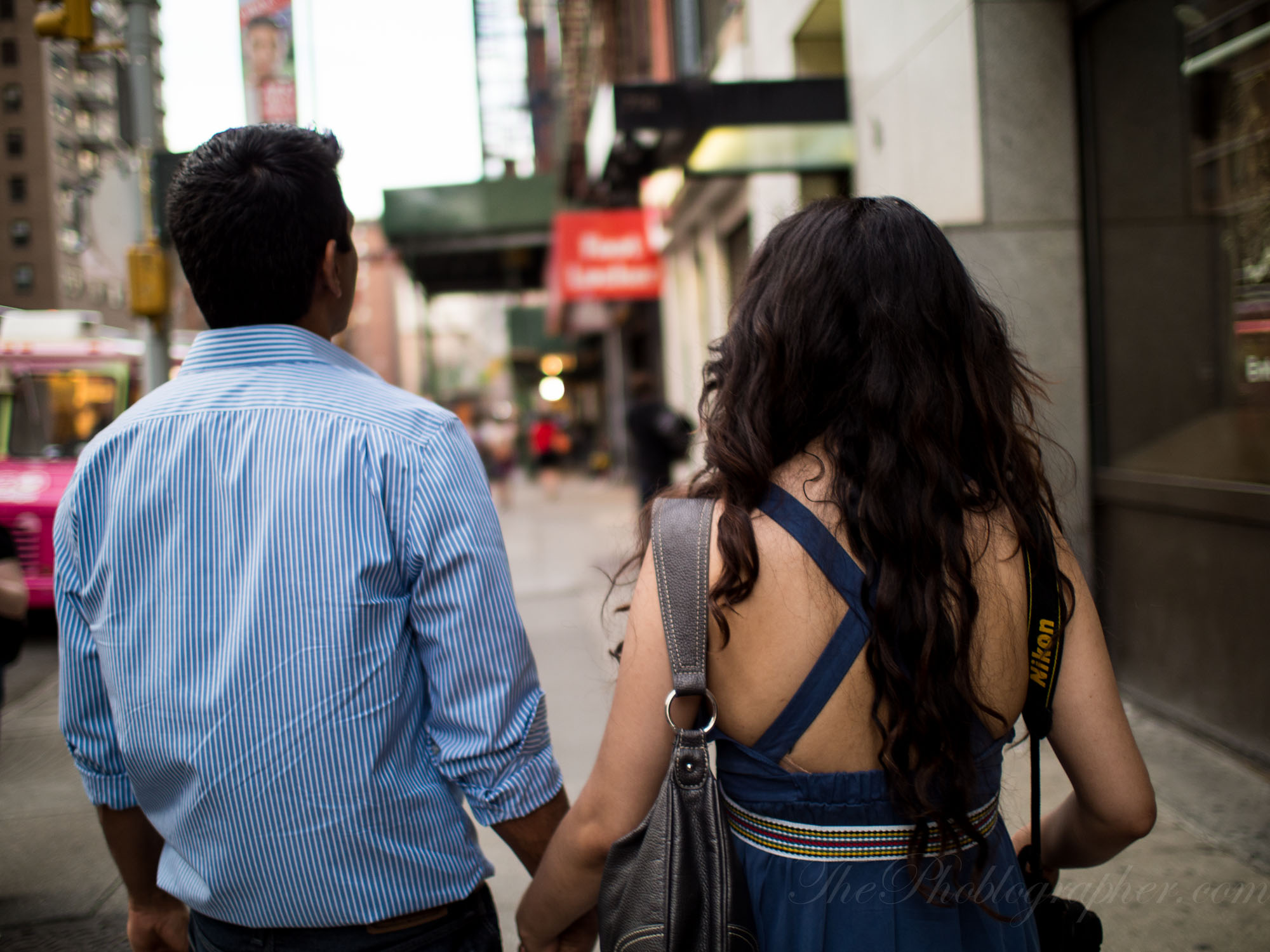
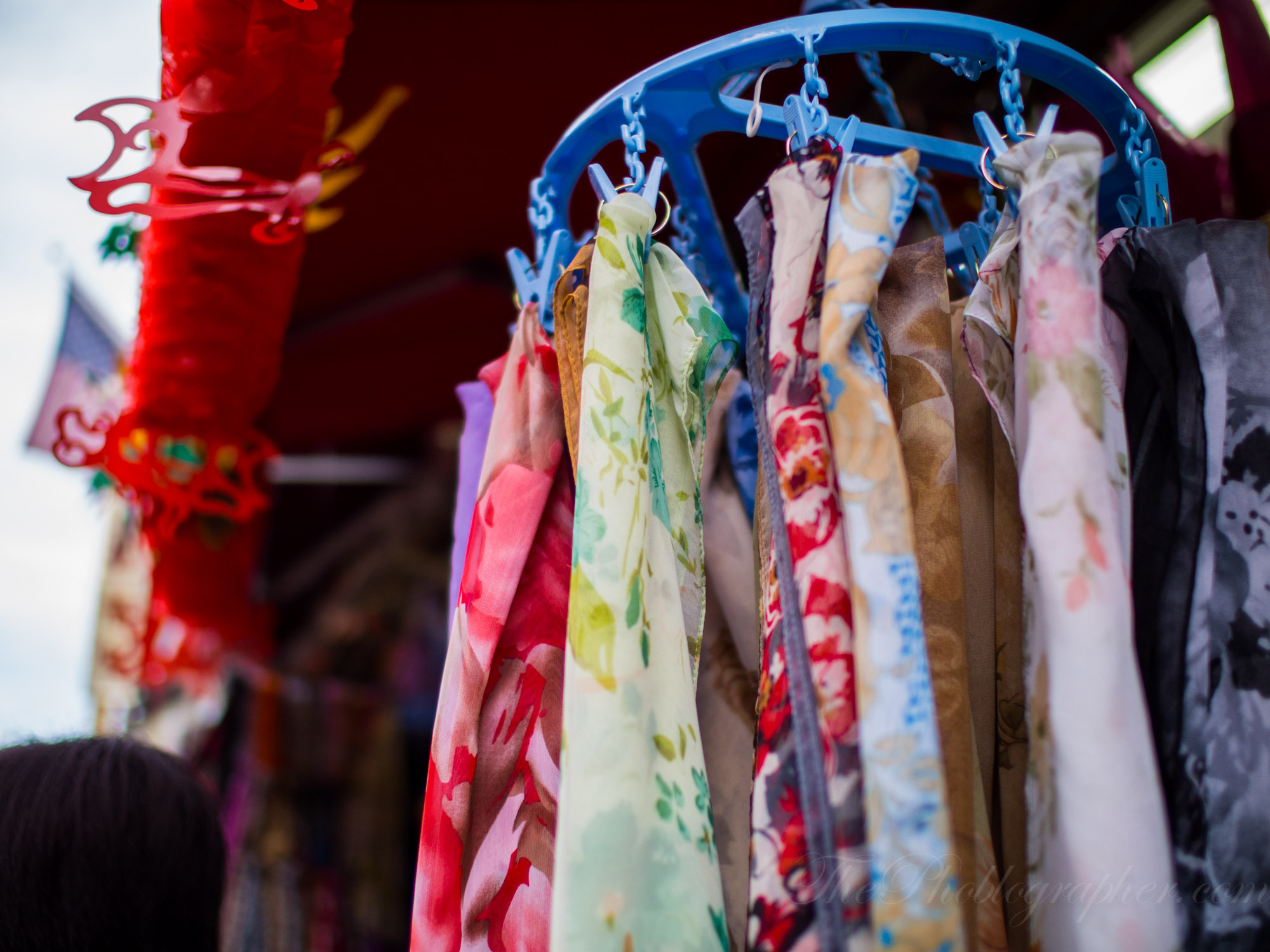
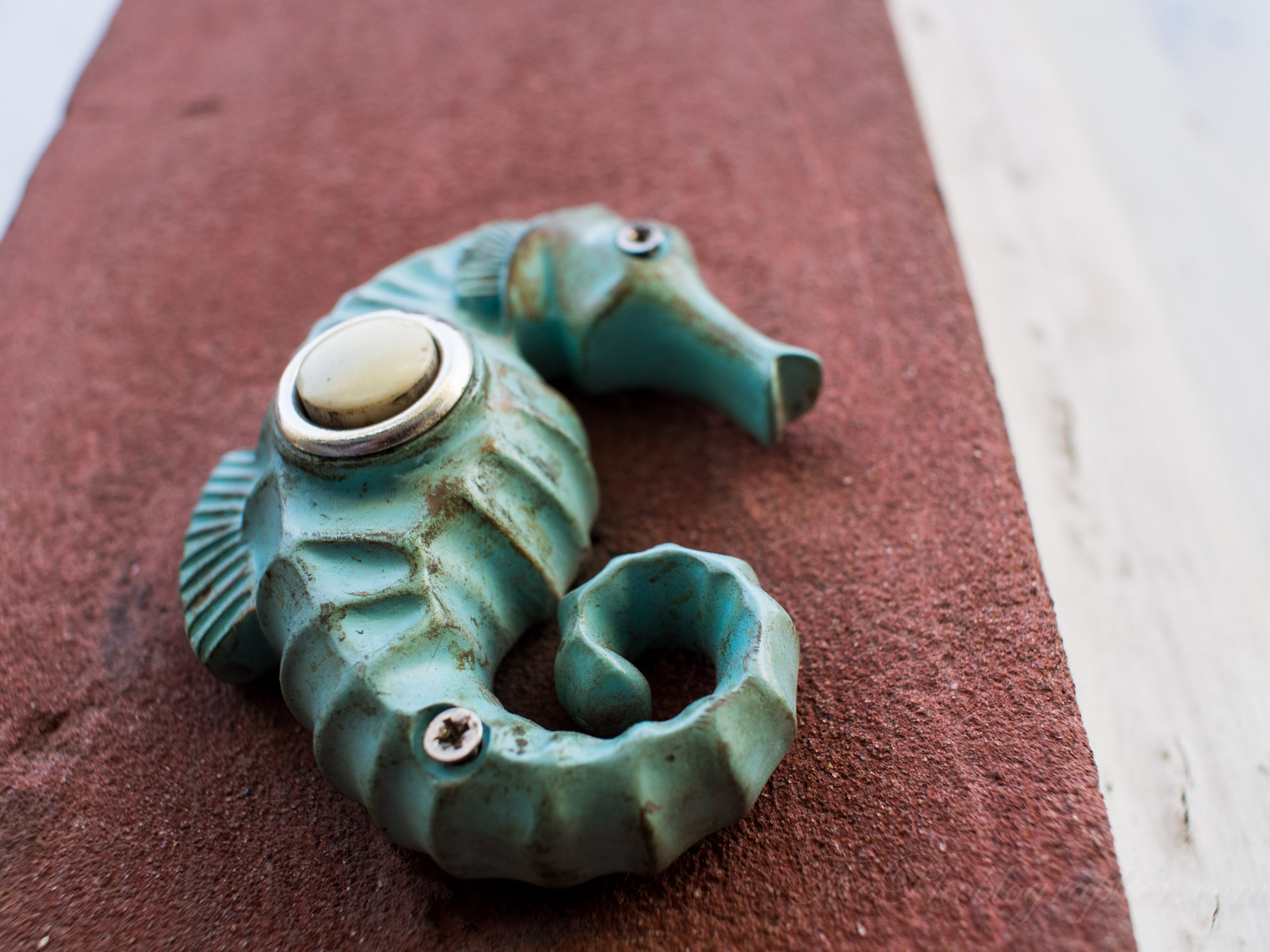
And that, if anything, should make this very worth your while. Here are some other sample photos from this lens:
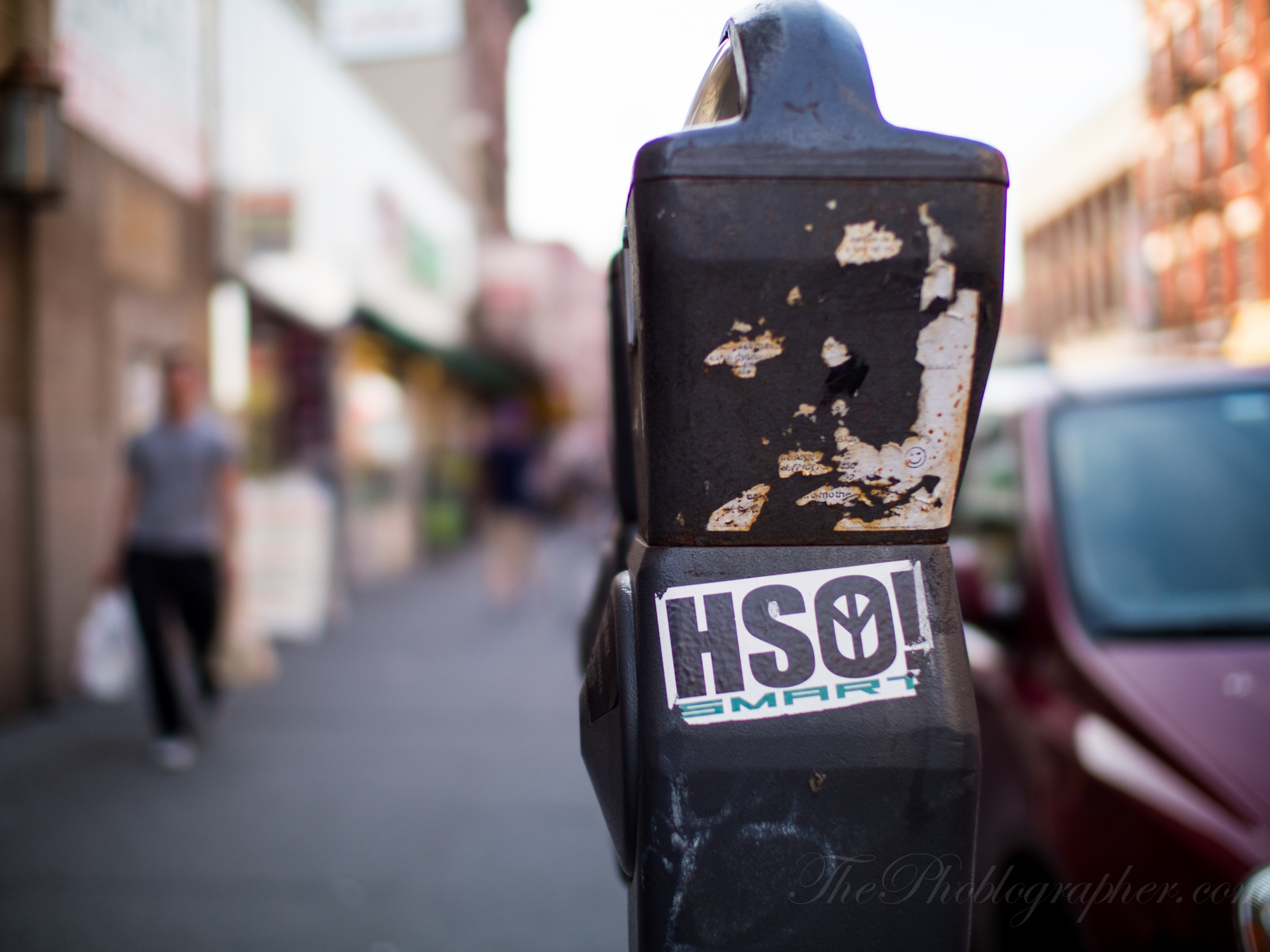
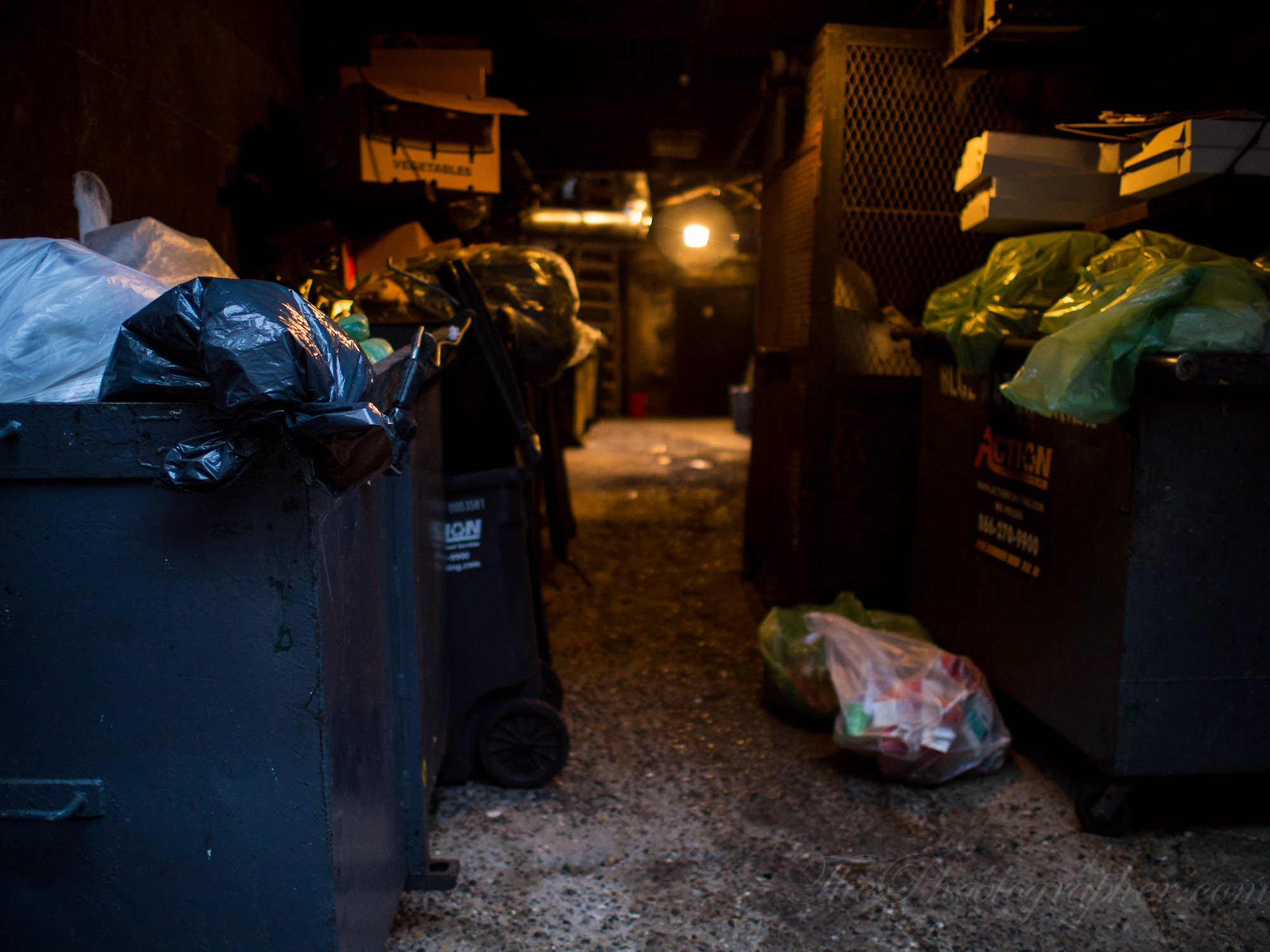


Want to see more? All photos for this post I did for Gear Patrol were done with this lens and the Olympus EP2.
Sharpness

As stated earlier, it reaches its sharpest point at around f2.8. However, at f2 you can still get excellent results and at f0.95, you’ll want to leave it wide open all day and night.
We’re not going to sit here and shoot charts for you: if you’d like to measurebate, go to DPReview. What we focus on here is actually creating images.
Quirks
There isn’t much bad to say about this lens except that it does tend to color fringe wide open. But once again, that can easily be corrected with software.
If you want to sit there and complain about that, then don’t purchase this lens. People who purchase this lens already know that every image takes work in post-production to make it its absolute best.
Conclusions
There really isn’t a bad thing that I can say about the Voigtlander 17.5mm f0.95 lens for Micro Four Thirds. Sure, it may not be built for everyone, but for those that take the time to master it or that appreciate craftmanship and putting careful thought into your images, you’ll quickly learn to love this lens.
At the moment, this lens barely leaves my camera bag. Because of that, it has even already begun to show a little bit of wear, but it isn’t terrible.
For a truly cinematic look and a for your Micro Four Thirds camera to look like you’ve been shooting with large format or Full frame, this is the lens to get. In all honesty, this is also the lens that saved me from a complete changeover to Sony NEX…along with the OMD.
In fact, it has even moved me to sell my Canon 7D and Nikon D5100 because the image quality that this gives me on a Micro Four Thirds sensor surpasses what the others can do for me in a small enough form factor.
And in the end, the Voigtlander 17.5mm f0.95 wins nothing but the highest praise and a place in my heart.
Please Support The Phoblographer
We love to bring you guys the latest and greatest news and gear related stuff. However, we can’t keep doing that unless we have your continued support. If you would like to purchase any of the items mentioned, please do so by clicking our links first and then purchasing the items as we then get a small portion of the sale to help run the website.