

Last Updated on 07/23/2011 by Chris Gampat
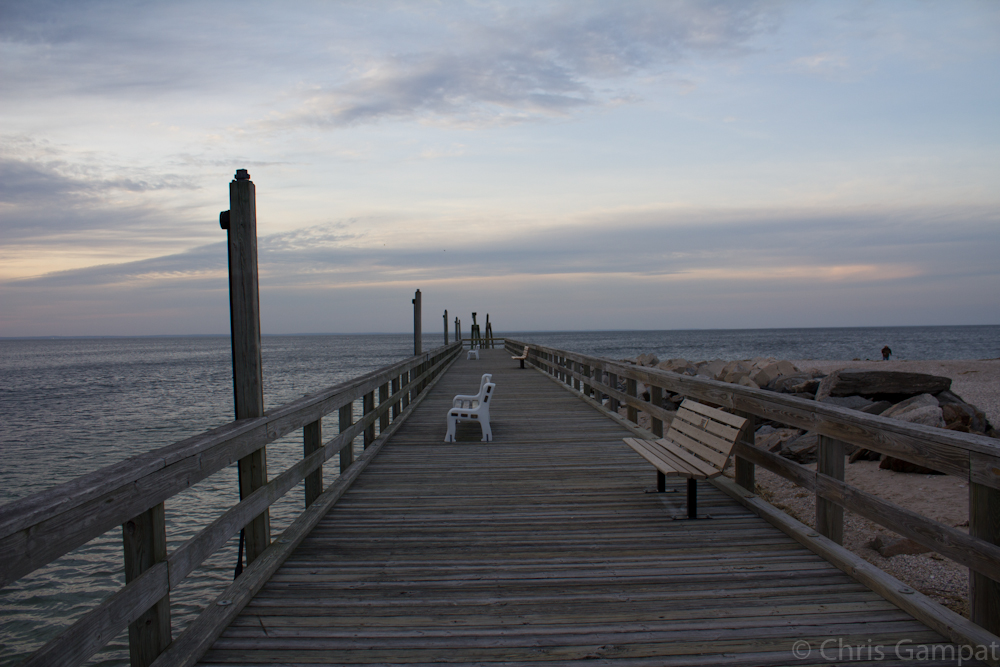
Summer is here, and we’re all feeling the heat. Whether you’re a digital or film photographer, your gear is bound to get hot too. If your gear overheats, problems could be abound: so here are some quick tips on how to keep it all nice and cool.
Keep it In The Bag
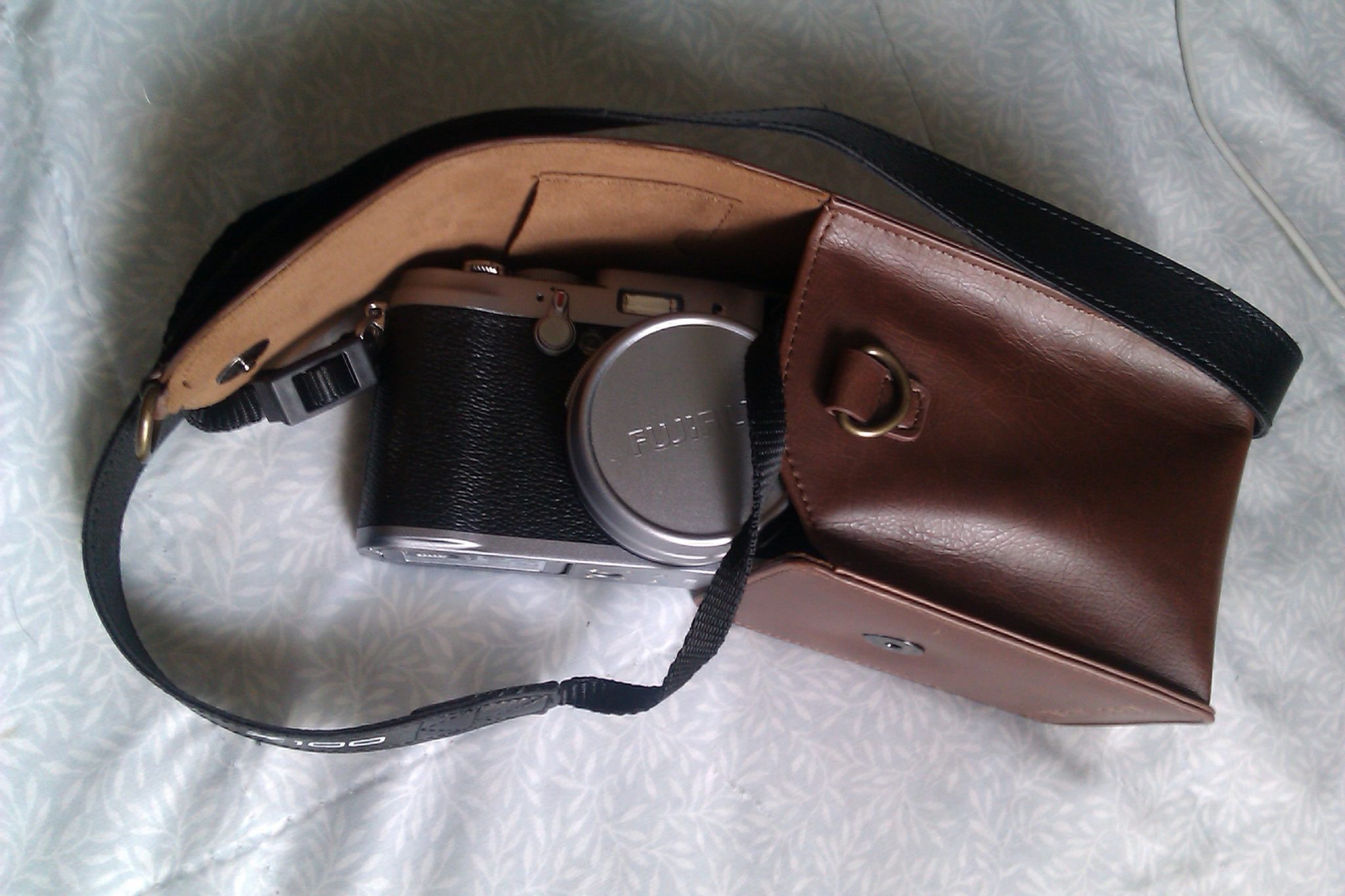
As I’m writing this posting, New York City is experiencing a terrible heat wave: we’re at 98 degrees right now with high humidity. When out for a photowalk earlier today, I realized that my cameras became extremely hot due to the sun baking all that it touched. Now, I don’t like it when my cameras become too hot, so I opted for putting them in my messenger bag and only taking them out when I needed them. As a result, they stayed much cooler.
If you’re afraid of losing the decisive moment because of this, set your camera to aperture priority instead of manual. This way when you go to take it out you’ll just need to focus, compose and shoot. If waking it up from sleep mode is faster, leave the camera on. If it turns on faster, turn the camera off. Either way, its best to develop a system around this vs having a camera be too warm.
Most readers of this site dig bags from Think Tank, so head on over to their site and check out what they’ve got.
Don’t Keep it In Your Hand
In the summer, a person’s core body temperature is very warm when outside. Additionally, their hands also heat up. If your hands are on your camera holding it at ready at all times, your body heat will transmit through your hands and into the camera. This goes double for those tourists that are casually walking around.
Think about it as wearing a plastic suit and then wearing pounds of meat around you while walking around in the summer heat. Now, it isn’t exactly like this, but it’s a close analogy.
Do Not Leave it In the Car
For the love of Cartier-Bresson, do not leave your camera in the car. When your car is outside in the sun, think about what you need to do before you get in it: you need to air out the inside, put the air conditioner on low, and wait for it to be comfortable to sit in there. Now think about the material on the dashboard: it’s going to be super hot!
Most cars I’ve owned or been in have been Toyotas, Buicks, and Mustangs. Their dashboards are made of material that feels close to what a DSLR’s exterior is made of. So why would you let your camera overheat like that? Overheating can cause condensation issues (when it cools down at night) and sensor/performance issues.
Your Body Will Heat Your Camera
As I was walking around, I went from keeping my camera in my hand (where it was super warm) to keeping it against my body. The result was the camera still being warm. There is a lot of metal and plastic in there that’s prime for some microwaving via your body heat and the sun.
If your body is warm, your camera may be too. Once you see it leaving an outline of sweat against your shirt, you know it’s time to put it away.
Slower Memory Cards Will Make the Camera Work Harder
One day while bored in the office, my manager and I did a test with a slow memory card, a fast memory card, and my Canon 7D
So who is this for and what am I talking about? I’m talking to the loads of people that shoot hundreds and hundreds of images: machine gun shooters in particular. The other day I went on a photowalk with a co-worker where it took him 500+ images to do what I did with 76.
Unless your job is to shoot like a machine gunner (and you have insurance), try to keep the fps rate down. This goes double for shooting RAW+JPEG.
Faster Firing Rates Will Overwork the Processor
Again, this is like trying to pour too much Summer Ale down the throat of your friend that can’t hold their liquor.
Shoot an image, let the processor write the image to the card, and then shoot again. Beginners fall into this way too easily.
Higher ISOs = Warmer Camera Sensor
If you remember from my Nikon D3s review, you’ll remember that I shot small JPEGs and video at a high ISO and at the maximum frame rate in a very well air conditioned convention center. The combination of high ISOs and fast frame rates not only made the camera around the card area warm, but also heated the sensor up to the point where it told me that I couldn’t shoot anymore.
When you shoot at a higher ISO, the camera sends more electricity to the sensor. More electricity in turn means more heat. Couple the heat with keeping the camera pressed against your warm body, and you’ll soon be able to bake those mini muffins that everyone loves in there (well, not really, but oh man would that be cool! Or is that hot?)
Do You Smell the Film?
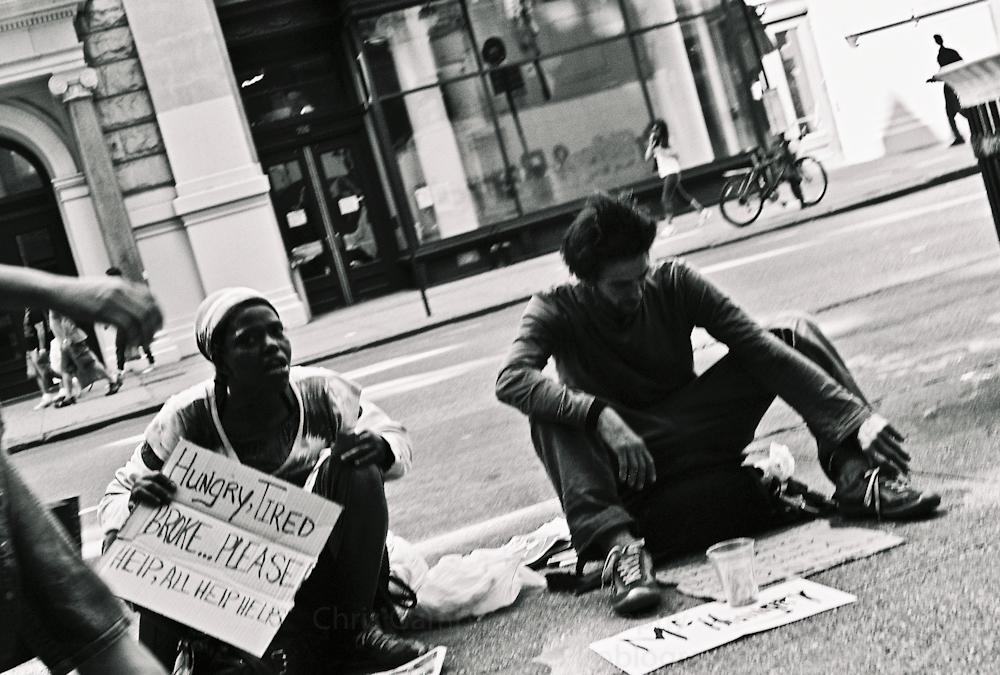
I’ve been shooting a lot of film as of late. But no matter what, I always remembered that my camera would often get very warm while shooting in the summer and that I’d be able to smell the film. When you can smell the film, that may not be a big deal. However, if it is balanced to being at a cooler temperature, don’t expect all of the images to come out so cool temperature-wise.
If you’re shooting with black and white though, more power to you. It shouldn’t matter at all.
Shoot At Night
Perhaps one of the easiest ways to prevent your camera from overheating due to the elements is to shoot at night when it’s cooler out.
Long Exposures Will Heat The Camera Sensor Up
If you’re going to shoot at night, remember that long exposures heat up the camera sensor. Indeed, you’ll sometimes even see specks in the images from where the sensor has heated up so much.
Please Support The Phoblographer
We love to bring you guys the latest and greatest news and gear related stuff. However, we can’t keep doing that unless we have your continued support. If you would like to purchase any of the items mentioned, please do so by clicking our links first and then purchasing the items as we then get a small portion of the sale to help run the website.