

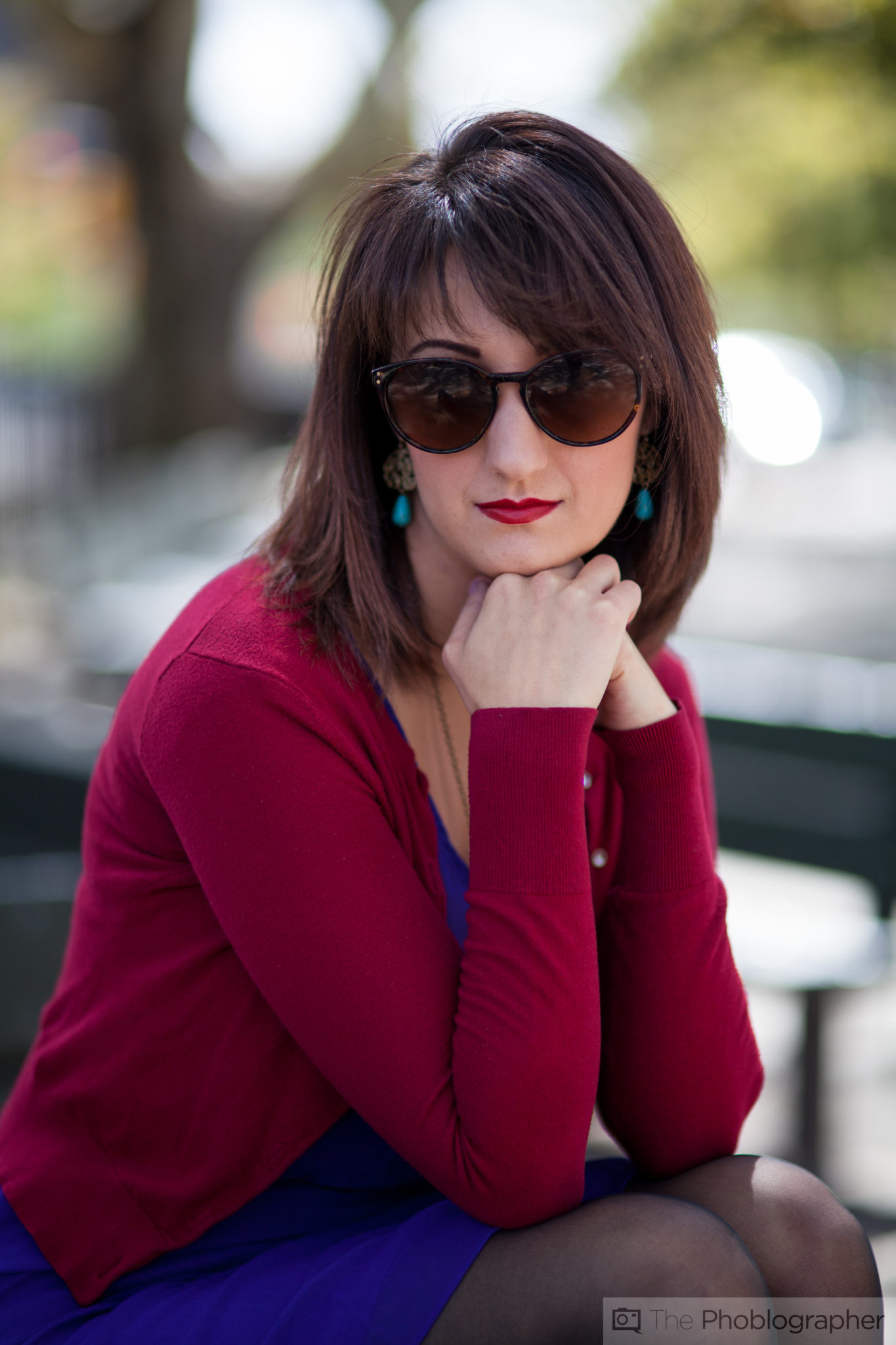
This year, the Sigma 85mm f1.4 DG Art lens series turns 10 years old. This was one of the more highly anticipated lenses that came out after the company announced their global vision program. Now that most photographers use mirrorless cameras, they’re probably reaching for the latest variant or they’re drooling over the 85mm f1.2 DG. But while capitalism and marketing will tell us that we need to get the latest and greatest lens, I’ll remind every photographer that what’s most important still is the photographer behind the lens. And with that said, you should know that I’m the sole journalist left that’s tested and knows this lineup the best. That’s because I’ve tested and used them all.
In 2016, Sigma released the Sigma 85mm f1.4 DG Art for DSLR cameras. And that lens was highly capable of producing what I’d consider to be some of the nicest portraits that I made during that time. It did everything that you’d expect a Sigma lens to do: be sharp, have nice bokeh, offer up a bit of weather sealing, and the autofocus wasn’t really any slouch either.
I really remember being struck by the colors and what it did with Canon sensors. Specifically, I was using the Canon 6D which had a 20MP sensor. Even that was quite modest for the time.


Said from my honest self, if I made images with this lens today, I don’t think anyone would be able to tell the difference between the Sigma 85mm f1.4 DG Art for DSLRs and a newer lens at all unless they did some sort of side-by-side comparison involving pixel peeping. And even then, all it would prove is that none of this matters because we’re focusing on the image overall and the scene.
What matters is what you make with the images. In fact, I even realized that back then. “The Sigma 85mm f1.4 Art blows the original away in terms of image quality in every single way,” I stated in the review’s image quality section. “It’s sad because I own the original and genuinely wondered whether or not I’d want to upgrade. If I decided to stick with DSLR camera systems, then I’d most likely do this if I was going for a higher megapixel body.” I further reasoned that at 20MP, the classic Sigma 85mm f1.4 EX lens was enough.
“But at the 20MP that the 6D offers, there is no major reason to want to upgrade. There is by no means anything wrong with the image quality. But the Art offering does indeed do a better job.”
That brings me to a lens that folks don’t talk about very often because almost no journalist around anymore remembers or has sample images with this lens.
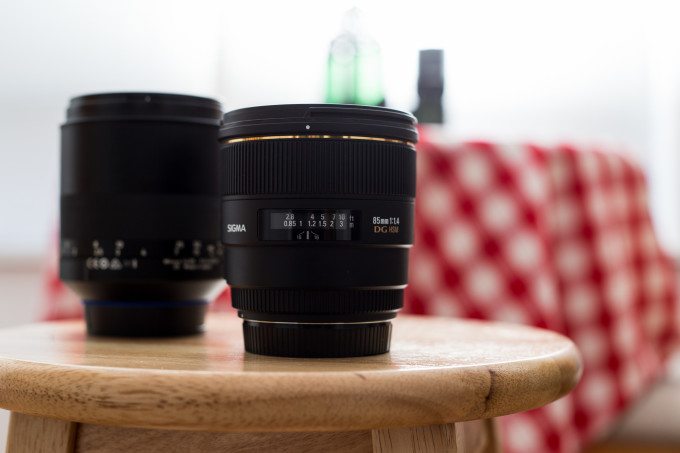
The Sigma 85mm f1.4 EX is a lens that really stood out to me in so many different ways. I remember purchasing it right after Sigma announced their Global Vision program. In fact, I sold all my Canon glass and switched to the Sigma 35mm f1.4 Art, the Sigma 85mm f1.4 EX, and the Sigma 50mm f1.4 EX. The latter is a lens that rarely ever came out of my camera bag but that I felt I needed just in case.
In contrast, the Sigma 85mm f1.4 EX is a lens that I think back on with lots of fondness. I didn’t handle the full review, but after I purchased the lens, I am the journalist who contributed the most images made with this lens to the Phoblographer’s database.
All of the images below were made with that lens using both film and digital cameras. Yes, back then, I even sometimes tested lenses with film cameras and bodies too.


To me, this is where I felt peak Sigma was. The images were sharp, but not too sharp. We didn’t need to do a lot of editing of someone’s pores. It didn’t suffer from major chromatic issues.
And this is where I get really into the image quality in a non-technical way. The original Sigma 85mm f1.4 EX had vibes — and that’s part of what made it so insanely appealing. The Sigma 85mm f1.4 DG came after the era of the Zeiss 55mm f1.4 Otus — which is where everyone was holding their benchmark to. And while those lenses surely could make nice images, it’s right around the time when things started to feel too manicured. In fact, I feel like many modern lenses feel like you’re overpaying for an ostentatious French Manicure. The truth is that most people can’t tell the difference where you’d get it from.
Where modern lenses feel like an expensive and overpriced French Manicure, the classic lenses are like nails that look good because of clean hands, moisturizer, and eating good food. And I’ve long been at a stage where I prefer a holistic approach to things instead of putting band-aids on problems that don’t exist. I mean, onion bokeh wasn’t a problem until Sony made you believe it was.
If Sigma were to re-release this lens as a Sigma Classic option, I’d buy it immediately despite it lacking weather resistance. In fact, since I still use a Nikon D850, it’s sometimes a lens that I consider adding to my camera bag.
Their latest and newest lens options serve an audience for sure. But generative AI is working to also mimic that look and that world render. The cameras and lenses are doing all the work for us — and that’s making our work less and less human.
Get rid of the ads!
Did you enjoy reading this article as much as we enjoyed writing it? There's a way to support us and our reporting, getting ad-free navigation and more as a bonus. Subscribe to us for less than a coffee per month —just $3.99— or take advantage of our yearly subscription with a hefty discount for only $25.- An ad-free experience
- A free mystery box for Lightroom or Capture One
- All the books in our store
- 20% discount on Capture One
- 30% discount on Imalume Photo Theft Protection
- 20% off Herbs and Kettle Tea Company.
- 20% off your order from MPIX printing services.
- 5% off Viltrox Products via their eCommerce store.
- 10% off all film developing, printing and scanning services from Blue Moon Camera and Machine