

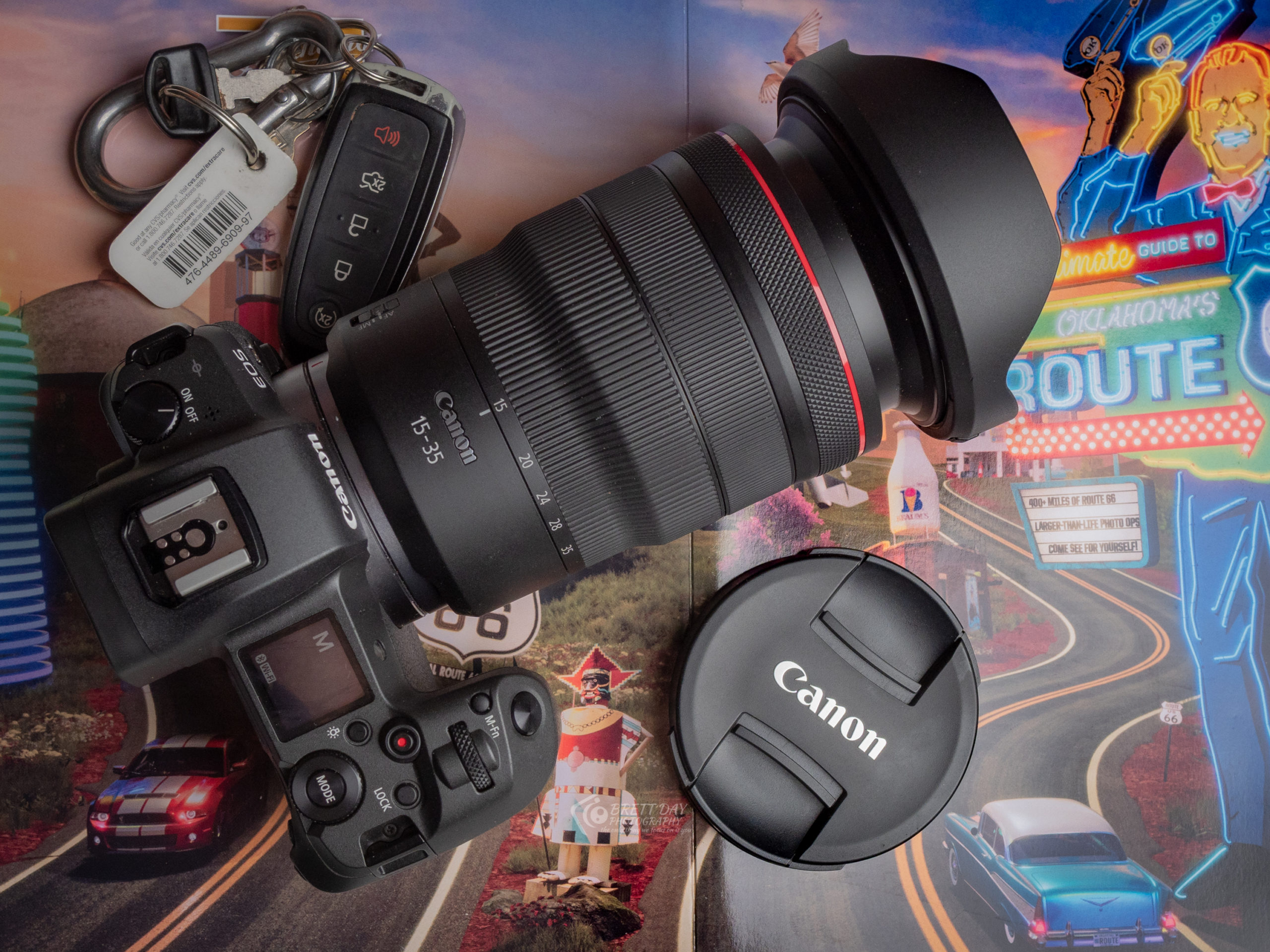
Landscape photography helps one to get in touch with nature. Viewing vast vistas up close is a pleasure for any human being, with many trying to depict the beauty to their peers in the city. With more photographers turning towards documenting nature, there are some who want to capture the same details as they see them in real life. While there are some techniques to practice, there is also the use of a good lens to get the same. Have a look at five such models that can be of help.
Fujifilm 8-16mm f2.8 R LM WR
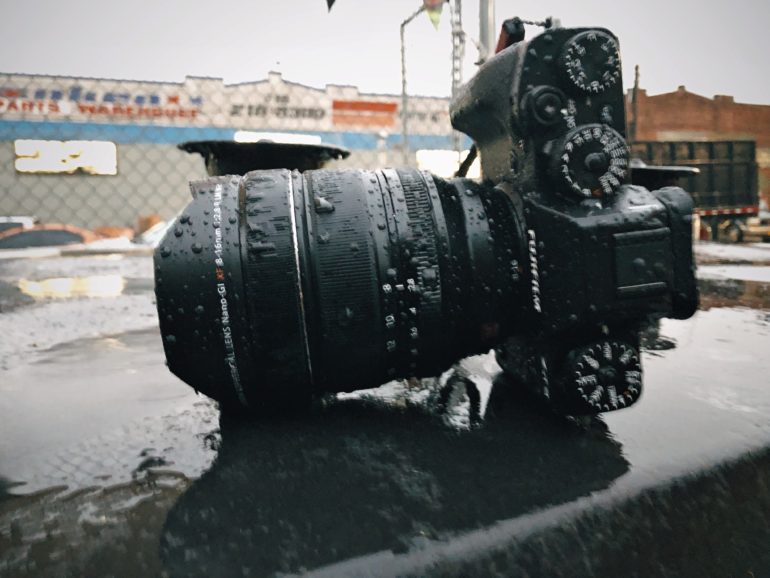
The only APS-C lens, this is a 12-24mm equivalent on a Fujifilm X body. It is a large lens, but it can withstand challenging weather with ease. It has a nice aperture ring and a focus ring, along with a large zoom ring to make your life easy. The lens is fast, and it is best designed for landscapes, cityscapes, architecture, and travel work. Similarly, the images are sharp, and with the film simulations, you get some gorgeous colors with ease. As we added, “Throughout my time with the Fujifilm 8-16mm f2.8 R LM WR, I created some images I ended up really, really liking. Knowing that I had a wide variety of focal lengths in my bag was reassuring.” There is some perception distortion, but it can be fixed in Photoshop.
Nikon Z 14-30mm f4 S
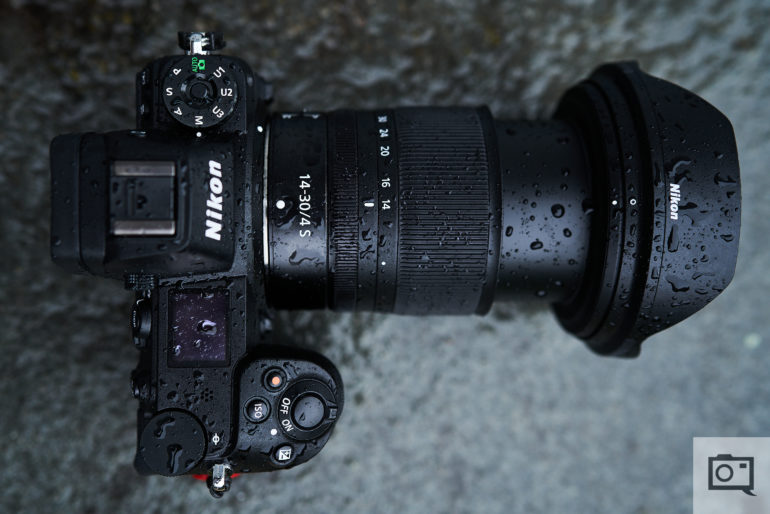
The 14-30mm is quite a great lens from the company. It is weather-sealed, has a slight extension of barrel, and is overall built well. The lens is also quick and only suffered in low light because it is a wide-angle lens. As the first native ultra-wide-angle lens, it is perfect for Nikon Z photographers who want the best results. There is some vignetting, but that can be fixed in post. The colors are nice, and the overall feel of the 14-30mm is great. As we added, “The 14-30mm f4 S for Nikon Z cameras produces remarkable images with outstanding sharpness and little to no distracting aberrations and is constructed to withstand the elements while maintaining a diminutive footprint. ” It is a lens landscape photographers can rely on.
Canon RF 15-35mm F2.8 L IS USM
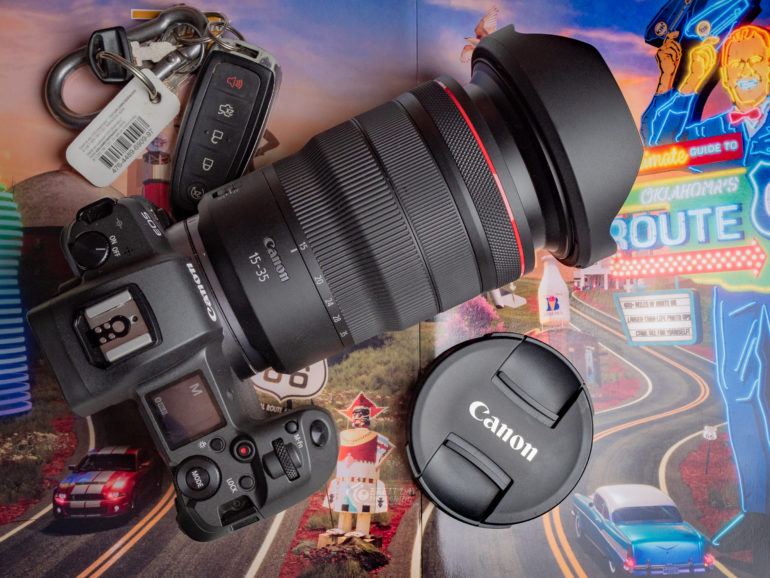
The Canon lens weighs 1.85 lbs, balances well, and has a large front element. There is also no gap between the zoom ring and the focus ring. Its build quality is nice, and ergonomically, it works well too. The autofocus is amazing, and it works well even in low light without hunting for focus. As we explained, “I would expect that this lens will be used by photographers who will be making landscapes, shooting documentary-type photos, and the odd environmental portrait. Trust me when I say you will have no issues with autofocus.” Similarly, you get nice bokeh, outstanding image quality, and some fantastic colors and sharpness. There is some vignetting, but you can stop down to fix that.
Panasonic 16-35mm F4
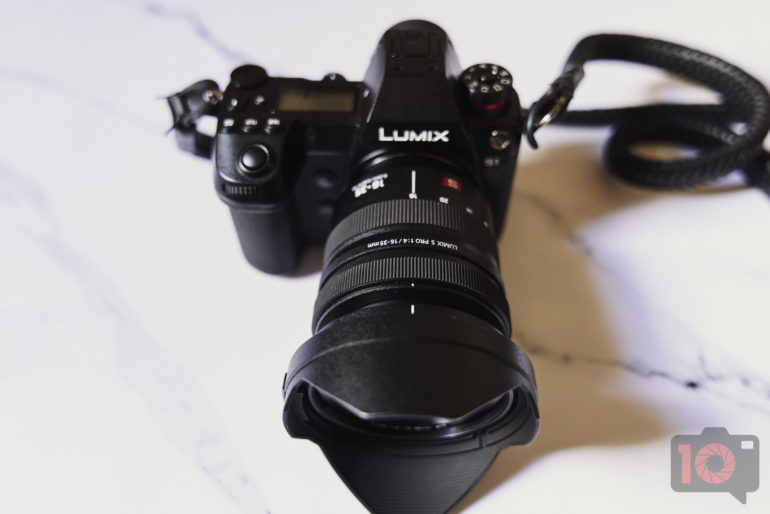
The Panasonic lens offers 0.8 inches of close focusing distance. It is small, lightweight, and will be loved by those who shoot for long hours. The focusing ring is at the front, and the zoom is at the back. It was also able to survive the rain for four hours, which makes it ideal for landscape photographers. The focus is quick, but it could have been better. However, the image quality is where it stands out the most. As we said, “There’s less distortion than what I’ve seen with Sigma’s offering, and I find it challenging to take a bad photo with this lens. Landscape and cityscape photographers will thoroughly enjoy it.” There are also nice muted tones, and the sharpness stands out at f5.6 pretty well.
Sony 16-35mm f2.8 GM II
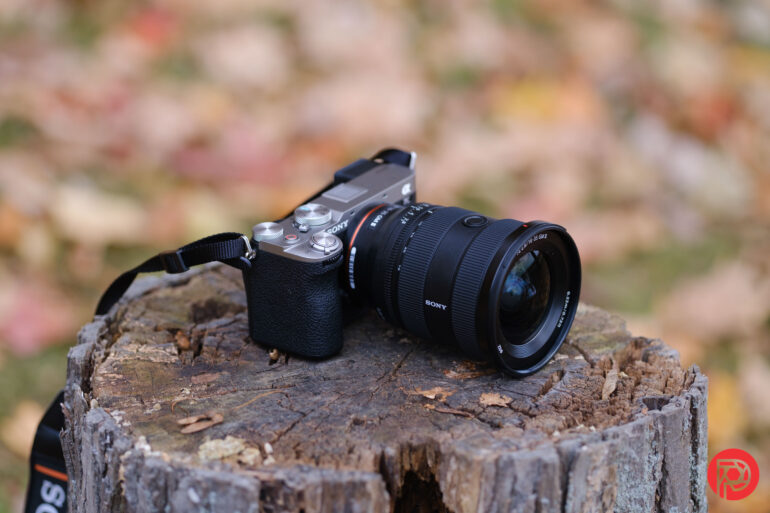
This is Sony’s second-generation lens, which is lighter and shorter than the original. There is a de-click switch, it has good design, and it is weather-sealed despite the plastic build. It also focuses 0.7 feet closer than the previous and is fast enough for photographers who want to shoot lifestyle images or landscapes. The image quality is nice, given this is a GM lens, and it has a technically superb quality. As we explained, “The colors had just the right amount of pop to them without being overly saturated.” I found the colors coming from the Sony 16-35mm f2.8 GM II to be very consistent with the other Sony lenses that I’ve used.” There is also plenty of sharpness to work with.
Get rid of the ads!
Did you enjoy reading this article as much as we enjoyed writing it? There's a way to support us and our reporting, getting ad-free navigation and more as a bonus. Subscribe to us for less than a coffee per month —just $3.99— or take advantage of our yearly subscription with a hefty discount for only $25.- An ad-free experience
- A free mystery box for Lightroom or Capture One
- All the books in our store
- 20% discount on Capture One
- 30% discount on Imalume Photo Theft Protection
- 20% off Herbs and Kettle Tea Company.
- 20% off your order from MPIX printing services.
- 5% off Viltrox Products via their eCommerce store.
- 10% off all film developing, printing and scanning services from Blue Moon Camera and Machine
- 15% off 7Artisans products: The lens and accessory maker is offering a sweet discount for Phoblographer's readers.