


Prime lenses may not be everyone’s cup of tea, but they are perfect for many who want a simple, small setup. Photographers working with architecture, streets, or birds can rely on these lenses for their needs. Each of these primes has proven to be exceptional in many ways: they are compact, provide good image quality, and have demonstrated their ability to withstand any challenge. If you are someone who is looking to buy a new prime, these options on our list can be of help.
Laowa 15mm F4.5 Zero-D Shift

The Laowa 15mm F4.5 Zero-D Shift is an exciting option for architecture photographers. Created with 17 elements in 11 groups, the prime lens has a close focusing distance of 0.7feet and 5 aperture blades. There is also +/- 11mm shift, which is also great. The lens is well-built, and you can easily adjust the lens with a large rotation ring. As we said, “If you’re a landscape or architecture photographer, you’ll definitely enjoy the difference this lens brings to your work if you aren’t already a shift lens user.” The image quality is great, the barrel distortion is exceptionally well controlled, and the colors are pretty great. Plus, you get sharpness, which adds to the image. It’s a lens that will make you think about photography differently.
Pergear 35mm F1.4
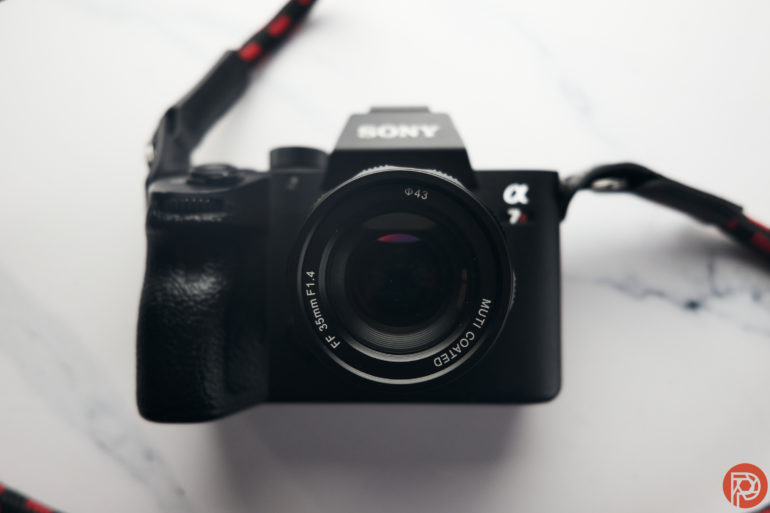
The Pergear 35mm f1.4 is a manual focus lens that comes with 7 elements in 5 groups. It has a minimum focusing distance of 30cm, and it weighs 245g. While the prime lens is not weather-resistant, it features a nice aperture and focus rings that help you to shoot. It is easy to use, but it requires relying on focus peaking and magnification to achieve the correct focus. The lens also offers great sharpness and bokeh, and the colors it produces are quite close to those of Zeiss at an affordable rate. It is a lens that every photographer should get, but if you shoot in really challenging situations, you can skip this.
Sony 400mm F2.8 G Master
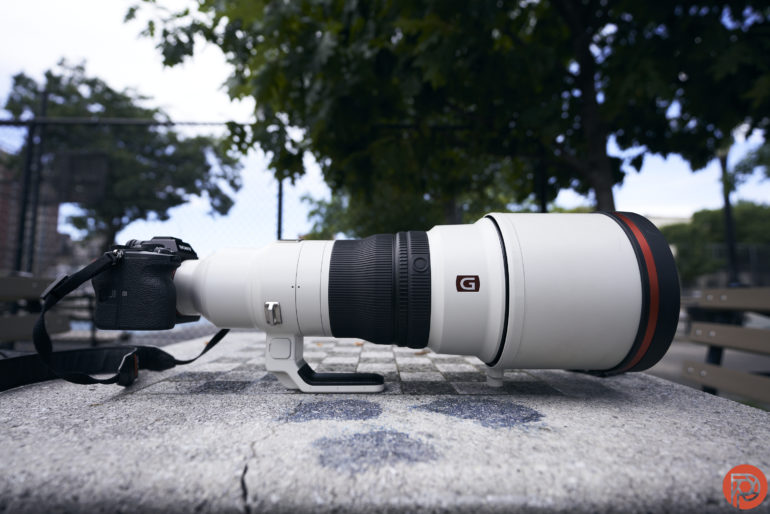
Ideal for sports, wildlife, and bird photographers, the Sony 400mm features 23 elements in 17 groups. It also comes with 0.52x magnification, an 8.9-foot minimum focusing distance, and a 6.3-inch filter thread. The lens is well-built, has textured rings, and has weather resistance. Moreover, it is not even that heavy. It is easy to use, has plenty of buttons on the lens, and the autofocus is able to capture people pretty well. “Where I arguably had the most fun with the Sony 400mm f2.8 G Master is with photographing wildlife,” we said. With a1 camera, we were able to latch on to animals pretty quick. The image quality is excellent, and the bokeh is pretty creamy. The colors can be vivid and muted, based on what you are shooting. It’s best to add a bit more contrast. Plus, there is immense sharpness. You will not be disappointed.
Get rid of the ads!
Did you enjoy reading this article as much as we enjoyed writing it? There's a way to support us and our reporting, getting ad-free navigation and more as a bonus. Subscribe to us for less than a coffee per month —just $3.99— or take advantage of our yearly subscription with a hefty discount for only $25.- An ad-free experience
- A free mystery box for Lightroom or Capture One
- All the books in our store
- 20% discount on Capture One
- 30% discount on Imalume Photo Theft Protection
- 20% off Herbs and Kettle Tea Company.
- 20% off your order from MPIX printing services.
- 5% off Viltrox Products via their eCommerce store.
- 10% off all film developing, printing and scanning services from Blue Moon Camera and Machine
- 15% off 7Artisans products: The lens and accessory maker is offering a sweet discount for Phoblographer's readers.