

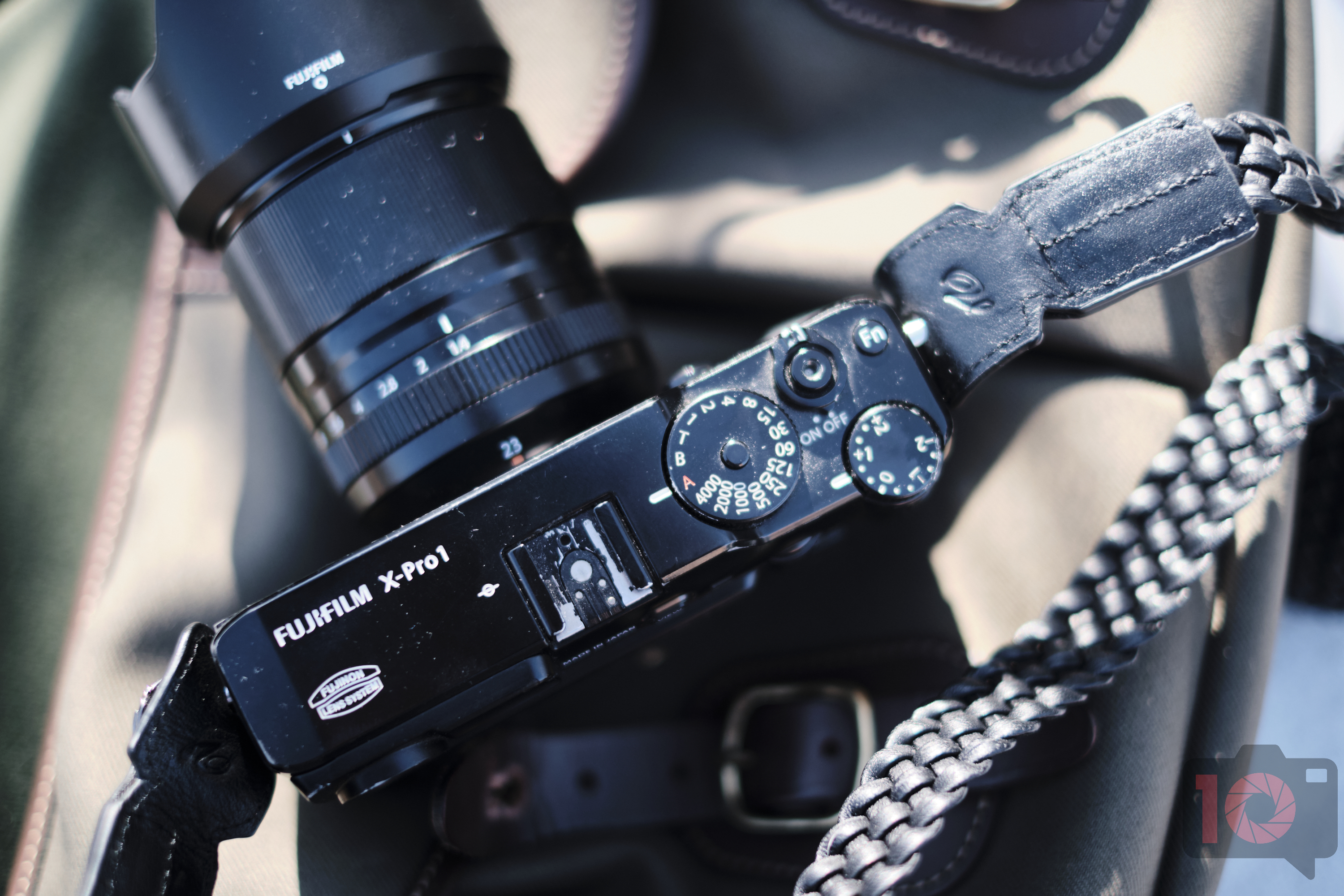
If you’re looking for a really film-like look, there are only a few Fujifilm cameras that really wore it with serious pride. To get that look, we have to go pretty far back into the lineup of cameras. Specifically, we’re focusing on a bunch that used their 16MP X Trans sensor. This sensor delivers what we believe to be peak film simulation because of the lower resolution overall giving the softness of organic film scans. But that’s not all. This is from a time before digital cameras relied less on a ton of processing power to do the work as compared to today’s cameras. So here are the best retro Fujifilm cameras.
Table of Contents
Fujifilm X100s
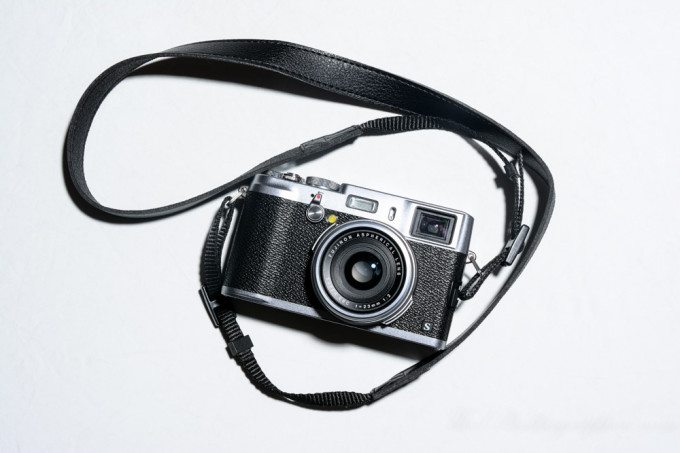
The first camera on this list is the X100S, which we deemed to be right on par with the X Pro 1 in our full review. “Despite all of this, many people claim to love the JPEG output from this camera and the X Pro 1,” I stated. “If you’re the type of person that prefers to just shoot JPEGs, then we encourage you to go ahead and try that. But we also must emphasize that you should try RAW shooting as well to see what you can get. Personally, I’m of the belief that no camera in the world can ever tell me what I want but it can come close. I will still always need to do some sort of processing.” With the same sensor as the flagship X Pro 1 at the time, it’s a highly capable camera when it comes to image quality. Just know this: you’re going to have to slow down a whole lot to really enjoy what this camera can do.
Fujifilm X Pro 1
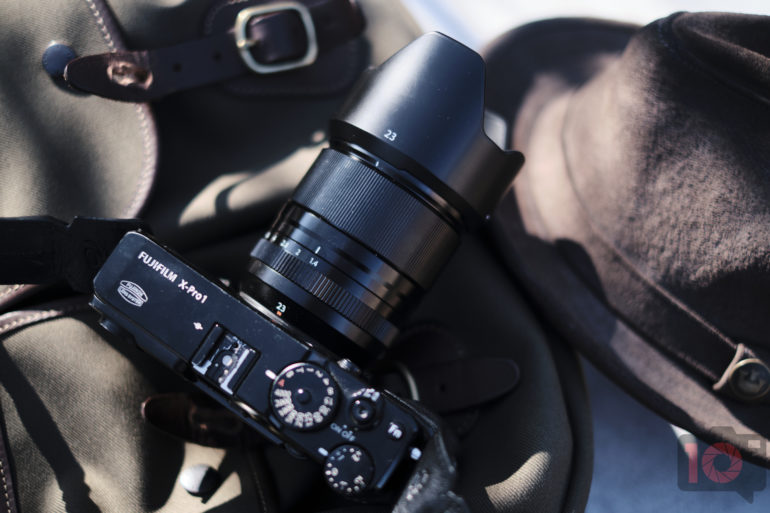
The Fujifilm X Pro 1 was the king of all cameras at one point. With this camera, the world really started to see what the X Trans sensor could do. Indeed, it was the first APS-C camera to be able to hold its own with high ISO output from full-frame cameras. On top of that, it gave us some incredible colors and to this day, has still delivered some of my favorite images that I’ve shot, ever. I recommend shooting with the Velvia mode the most if anything. But you can also customize it to shoot things like Kodak Portra and so much more.
Fujifilm XE1

Unlike the X Pro 1, the X-E1 only has an electronic viewfinder — which is different from the hybrid that the X Pro 1 has. This camera boasts the same sensor and is arguably also faster to focus with. “…if you are pairing this camera with a legacy lens that would be focused manually and using the EVF, I would much prefer the X-E1 over the X-Pro1 for its much improved EVF,” is what the reviewer stated. We think you’re going to love this because it’s essentially the X Pro 1 but for half the price.
Get rid of the ads!
Did you enjoy reading this article as much as we enjoyed writing it? There's a way to support us and our reporting, getting ad-free navigation and more as a bonus. Subscribe to us for less than a coffee per month —just $3.99— or take advantage of our yearly subscription with a hefty discount for only $25.- An ad-free experience
- A free mystery box for Lightroom or Capture One
- All the books in our store
- 20% discount on Capture One
- 30% discount on Imalume Photo Theft Protection
- 20% off Herbs and Kettle Tea Company.
- 20% off your order from MPIX printing services.
- 5% off Viltrox Products via their eCommerce store.
- 10% off all film developing, printing and scanning services from Blue Moon Camera and Machine
- 15% off 7Artisans products: The lens and accessory maker is offering a sweet discount for Phoblographer's readers.