


While there is an obviously heated debate between DSLR and mirrorless cameras, the reports often favor one over another. Sure, mirrorless cameras are selling well, but DSLRs, too, are still showing strong numbers. However, with Canon and Nikon also making a recent shift to mirrorless technology, the days of DSLR seem quite over. In a recent interview by Photo Trend, Yazid Belmadi, sales manager for France and Switzerland at Ricoh, finally settled the debate. The answer is not exactly what you expect.
Additional input for this article was provided by Chris Gampat.
DSLR vs Mirrorless: Who Wins?
As it turns out, a DSLR is quite difficult to sell in 2024. “The market is constantly shrinking. Sales are still good for us, but we can see that the trend is downward,” says Yazid Belmadi. He further adds that customers who are still looking at the technology are people of older age groups, who are not exactly the target market for many camera manufacturers.
He further talks about how the improvement in technology has made people switch to mirrorless cameras more now. People now look at criteria such as weight and size, both of which a DSLR was not too famous for. While DSLRs make shooting a “different experience,” Belmadi notes that “it’s not really what the new generations are looking for anymore.” The only people who still opt for DSLRs are purists, who, again, are a very small group of individuals. “Young people, on the other hand, have grown up with screens, whether on their phones or on hybrid devices. Their approach to photography is different, and it is this reality that we must take into account in our strategic choices,” he adds.
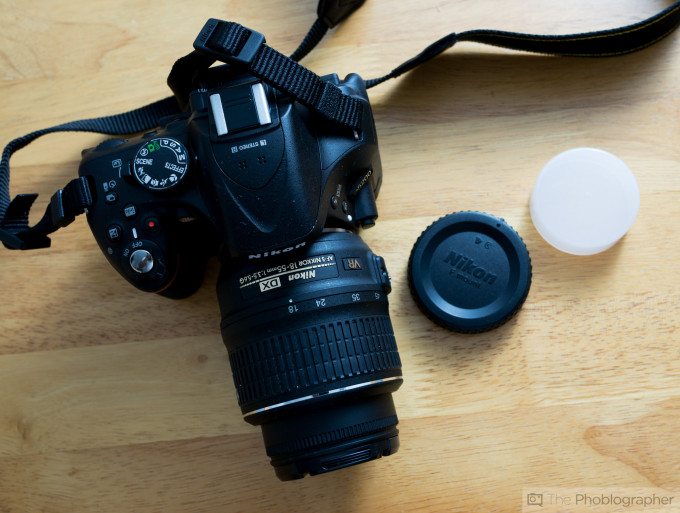
While Ricoh, like Canon and Nikon, have DSLR offerings, they are not currently looking to expand this lineup. “Frankly, that’s not part of our current strategy anymore because sales in that area are declining,” Belmadi concludes.
Although it will be quite exciting to see a brand walking against the tide and working on a DSLR that can compete with Mirrorless, the chances of this are zero. In fact, many would simply state that their research doesn’t permit them to go back to old-school devices, which are clearly not what their expected audience wants. However, with more and more people using retro cameras, there may come a time when mirrorless cameras will become a challenge, and people will start producing a variety of DSLRs again.
Several years ago, Pentax tried getting into mirrorless with the K-01. But it didn’t really go anywhere. They also tried with super small cameras in the form of the Pentax Q series. Those, too, never caught on in sales.
Where They Could Make Big Wins
Pentax and Ricoh have long discontinued their medium format entries into the digital photography space. Sure, Fujifilm and Hasselblad are still there. But Pentax could surely reinvent themselves there. The Pentax 67 is still one of the most beloved medium format cameras. However, Pentax took a gamble with their 645 series — the last entry being from a decade ago. It only recently got Capture One support, too. Pentax could possibly find a big win in the form of something with a large sensor that’s very analog-like. It would be a reminder to slow down and shoot — and it could also be a very premium high-end product designed for real photographers who don’t work to make work primarily for social media.
Ricoh Knows Film Photography is Here to Stay
While DSLRs are on the decline, Ricoh found film cameras to be quite a rage amongst youngsters. During their research, the company noticed how Japan and Europe saw an impressive number of people adopting film photography. “In terms of photo work and sales of used cameras, the numbers were impressive,” Yazid Belmadi states.


Following this research, Ricoh Japan chose to work on Pentax 17, a new film camera that caters to this need. The company offers not just a new device but also a guarantee that used film cameras can’t really provide. “Our main goal was well defined, but it was not only about this specific target,” he states.
Currently, the company is doing well in the space that they have created for itself, and the craze behind the Pentax 17 and the Ricoh GR III is a reason behind that. In fact, we were so impressed with Ricoh to try something different that we gave it an Editor’s Choice, despite the rating of 4 out of 5 stars.
Innovations can have a few misses, and that is all right. However, not continuing to do things differently because of the fear of losing out to your competition is purely a poor move. Imagine if the creators who came before we thought the same? Perhaps we still would be shooting on wet plates! So, whether it is a DSLR, a film camera, or a mirrorless, we need to push boundaries in any way we can. Or else, photography will come to a standstill.
Get rid of the ads!
Did you enjoy reading this article as much as we enjoyed writing it? There's a way to support us and our reporting, getting ad-free navigation and more as a bonus. Subscribe to us for less than a coffee per month —just $3.99— or take advantage of our yearly subscription with a hefty discount for only $25.- An ad-free experience
- A free mystery box for Lightroom or Capture One
- All the books in our store
- 20% discount on Capture One
- 30% discount on Imalume Photo Theft Protection
- 20% off Herbs and Kettle Tea Company.
- 20% off your order from MPIX printing services.
- 5% off Viltrox Products via their eCommerce store.
- 10% off all film developing, printing and scanning services from Blue Moon Camera and Machine
- 15% off 7Artisans products: The lens and accessory maker is offering a sweet discount for Phoblographer's readers.