

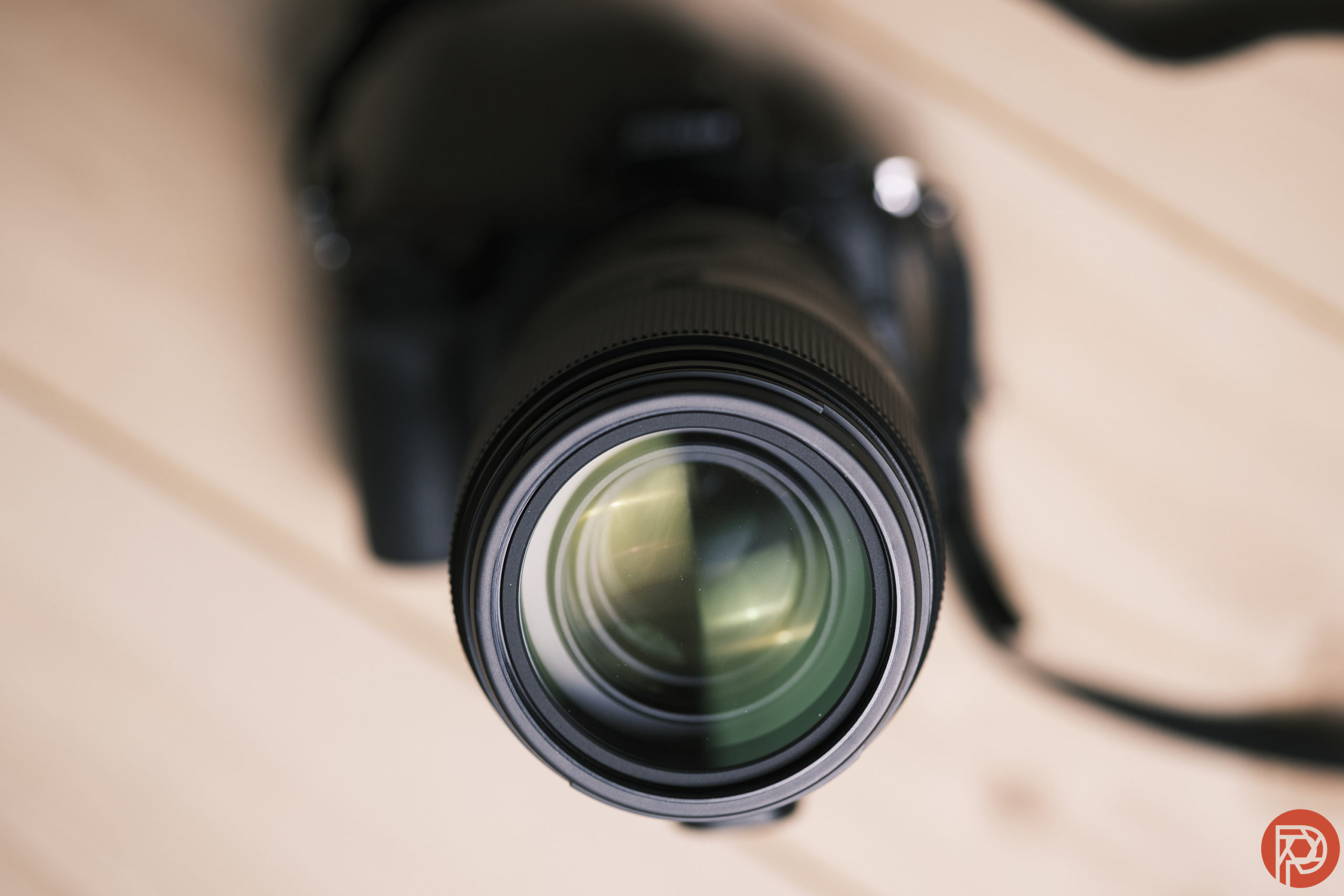
The speed and reach required for wildlife photography means choosing the right lens plays a key role in getting the shot. But, at the same time, the speed and reach required for the genre drive prices up, which often means most photographers can’t equip their camera bag with multiple lens choices. The best Nikon wildlife lens matches cameras like the Z9 in quality and speed, without forgetting versatility and portability.
Nikon’s bird and animal detection autofocus makes the Z system a popular choice for the genre. But a great camera can be hindered with the wrong lens choice. We’ve tested a majority of Nikon’s telephoto lenses, from versatile zooms to pro-grade primes. These are the lenses that we would choose to pair with the Z system for photographing birds and animals.
Don’t see quite what you’re looking for here? Check out The Phoblographer’s complete guide to Nikon Lenses.
WHY YOU SHOULD TRUST US
The Phoblographer has been doing real-world photography gear tests longer than any other photography publication currently run. We also have the largest database of real-world lens reviews, amongst other things like straps, camera bags, lights, accessories, and more. Here’s why that matters:
- AI Can’t Do This Job: These days, other publications do roundups, sometimes using generative AI. That’s the same as a person researching products and then making a decision without actually trying it. All of our reviews and guides are written not just by humans but by working photographers — not AI. Computers don’t use cameras, so why would you trust AI to recommend cameras for you?
- Research and Practical Experience: Here at the Phoblographer, humans consult on what roundups to do with guidance from an editor. Then, a human goes through our database of reviews and selects the best products based on our own internal research. The human creating the roundup has practical experience with photography gear and will apply their knowledge of what’s best to the already human-based experience provided in our reviews.
- We Block AI Bots: The Phoblographer blocks indexing bots from reading our site, so what’s here can only be read here.
How we Test and Choose the Best Nikon Wildlife Lens
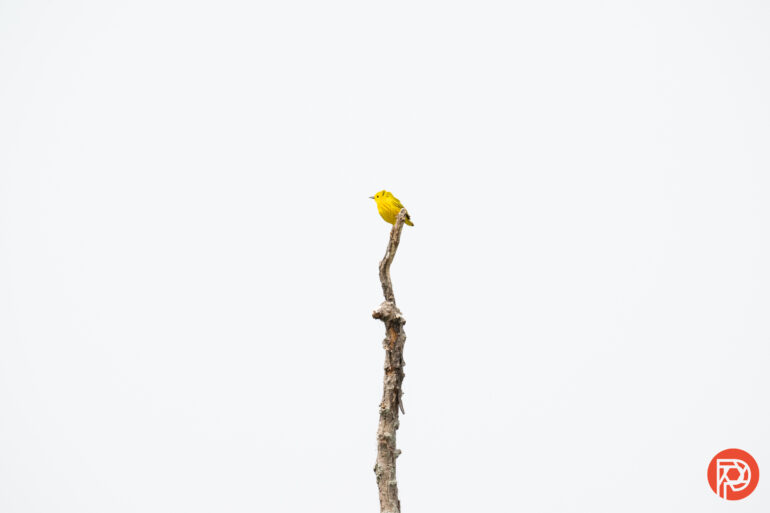
- The Phoblographer’s various product round-up features are done in-house. Our philosophy is simple: you wouldn’t get a Wagyu beef steak review from a lifelong vegetarian. And you wouldn’t get photography advice from someone who doesn’t touch the product. We only recommend gear we’ve fully reviewed in these roundups.
- If you’re wondering why your favorite product didn’t make the cut, there’s a chance it’s on another list. If we haven’t reviewed it, we won’t recommend it. This method keeps our lists packed with industry-leading knowledge. Some of our stories include affiliate links. If you buy something through one of these links, we may earn an affiliate commission.
- When we test lenses, we’ve got various things in mind. First off, we consider who might want to buy the lens and what they might do with it. With that in mind, we try to tackle at least three genres of photography with that lens in a variety of situations. If the lens has weather resistance, then we’ll test it accordingly with a weather-resistant camera. We also test the autofocus of the lens in continuous mode, single mode, with exposure preview effects, without those effects, and then with all the major image quality parameters. These days, no one really makes a bad lens — but some are far better than others.
- In this specific roundup, we’re basing our findings on the reviews that we’ve done. We’re choosing a favorite, but we’re also giving photographers a bunch of others that they might like, depending on how they shoot.
Our Choice Among the Best Nikon Wildlife Lens: Nikon Z 100-400mm f4.5-5.6 VR S
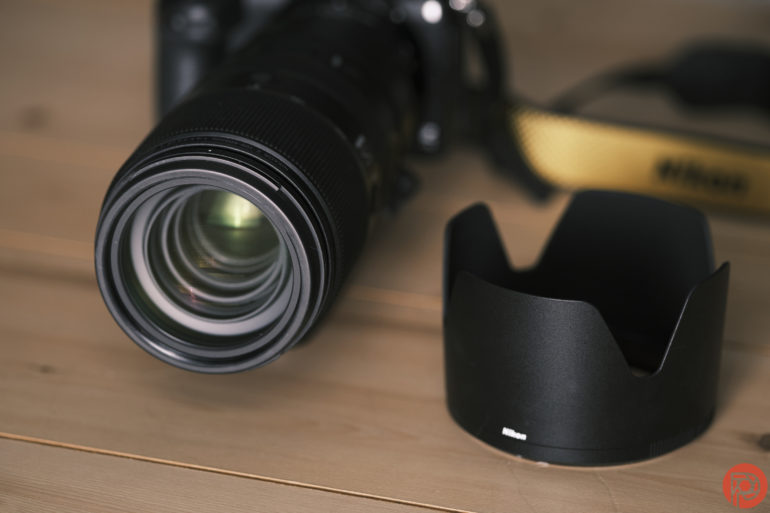
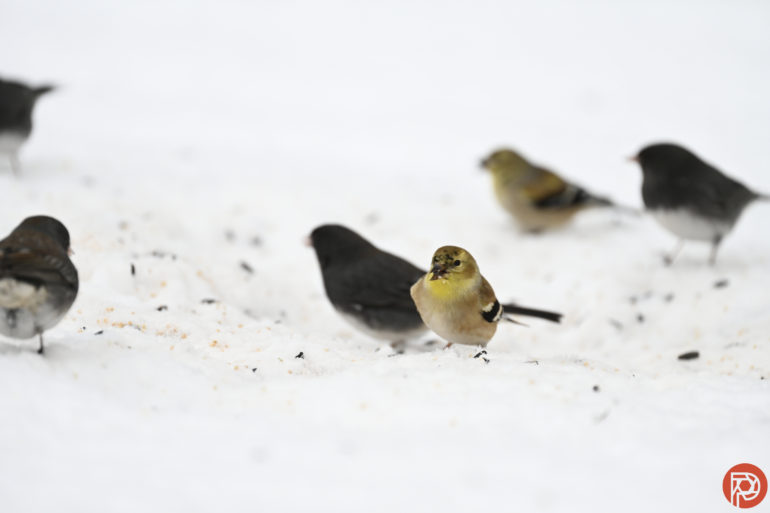
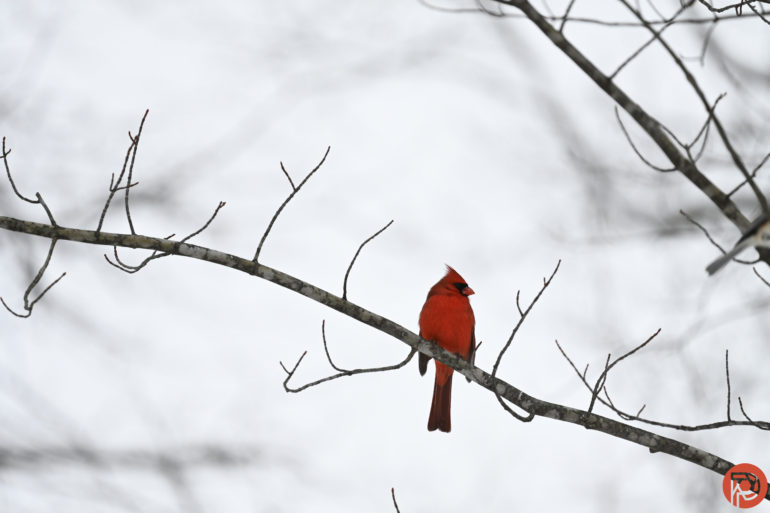
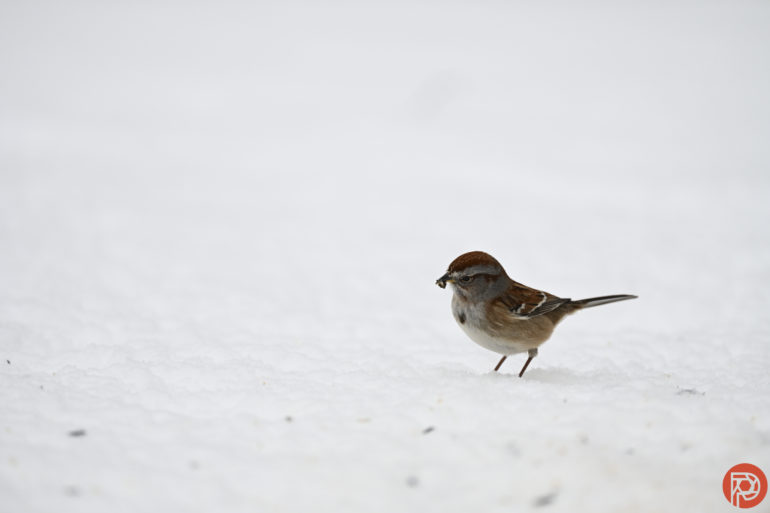
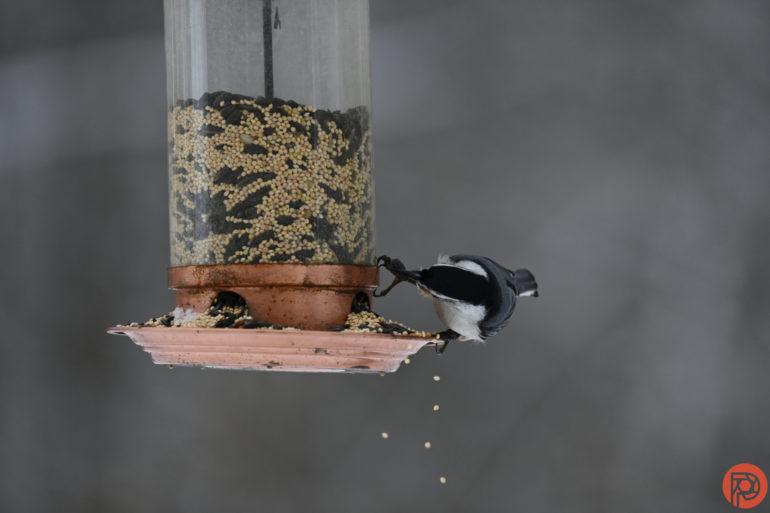
The Nikon Z 100-400mm f4.5-5.6 VR S finds the ideal balance between zoom and portability. While there are brighter telephotos out there for the Z system, this 100-400mm is small enough to hike with. The narrower aperture also brings down more than the size, sitting at just under $2,700, which isn’t anything to sneeze at but also isn’t the five-figure price tag of the 400mm f2.8. The long reach and full-frame sensor of the camera it’s meant to mount on still deliver plenty of bokeh despite the narrower aperture. As part of the S series, the lens is sharp enough to see the details on a snowflake on a bird’s beak (and weather-sealed so you can actually go out in that snow in the first place). Autofocus is good, though works best when used with the focus limiter switch on the lens.
In our Nikon Z 100-400mm review, we state:
The Nikon Z 100-400mm f4.5-5.6 blends high-end S features with a narrower aperture for more portability — and a more palatable price. The lens delivers the sharpness and color that I’ve come to expect from the S series. Yet, it’s pretty portable considering the long reach and doesn’t need a tripod. It doesn’t skip out weather-sealing or durability either.
Nikon Z 100-400mm f4.5-5.6 VR S Pros and Cons
PROS
- Weather sealed
- Versatile telephoto zoom range
- Compact enough to hike with and handhold
- Sharp images
- Great colors
- Minimal focus breathing
- Up to 5.5 stops of stabilization
- AF tends to keep up once locked on
CONS
- AF can take some extra time to lock on to new subjects
- AF limiter switch needs one more option for close subjects
- The narrower aperture is what’s behind that portability and lower price point

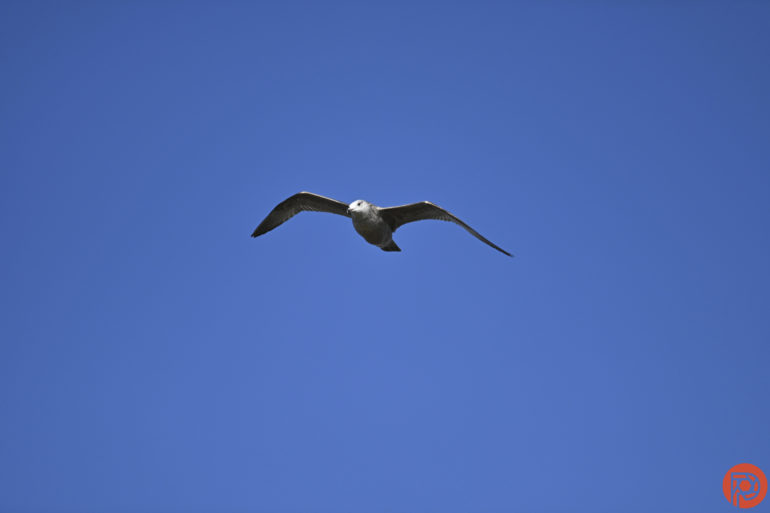
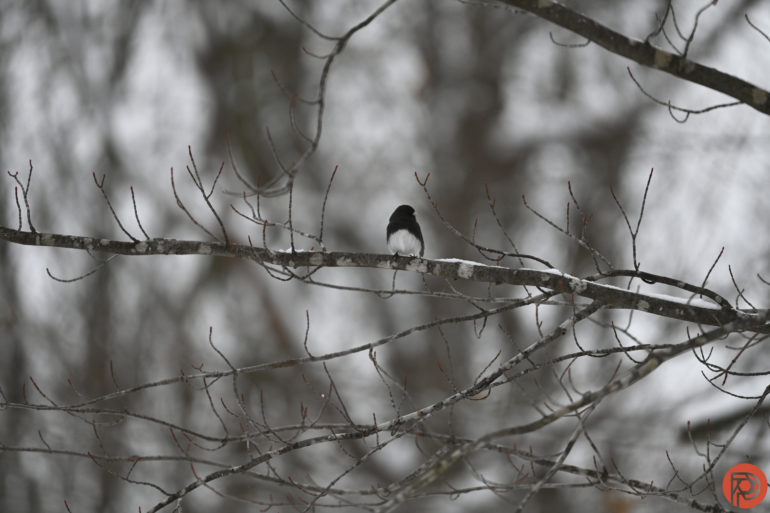
For Some Photographers, these Might be the Best Nikon Wildlife Lens
While the Nikon Z 100-400mm f4.5-5.6 VR S is an excellent lens for wildlife, some photographers will want a bit more, while others will need to stick with a smaller budget. Because shooting style varies from one artist to another, we’ve selected three other telephoto lenses that are also great for wildlife on the Nikon Z system.
Tamron 150-500mm f5-6.7 Di III VC VXD The best budget wildlife lens for Nikon Z
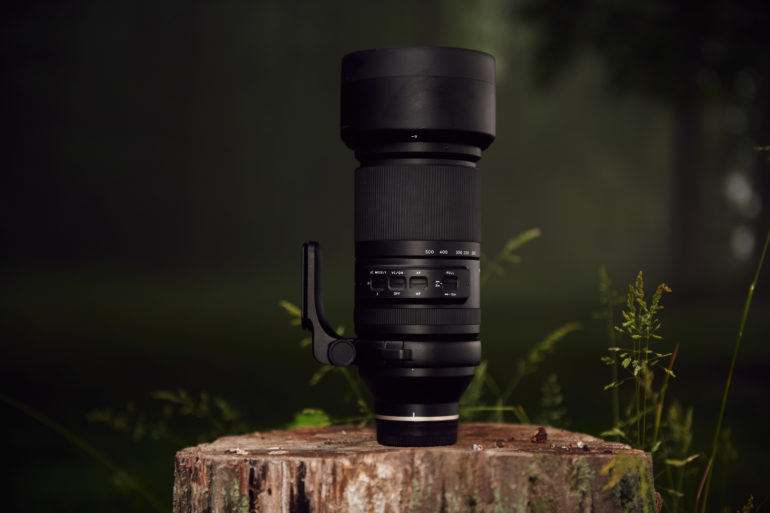
The Tamron 150-500mm f5-6.7 Di III VC VXD delivers incredible value by mixing a versatile telephoto reach with a handheld, durable construction. Images have excellent color and background separation that work well with shots of birds and other wildlife. The autofocus has some occasional misses, but on the Z9 felt just as capable as lenses made by Nikon. The biggest reason this Tamron isn’t the top pick is that the images aren’t quite as sharp as the Nikon Z 100-400mm, particularly with subjects placed towards the edge of the frame.
In our Tamron 150-500mm review, we said:
The Tamron 150-500mm f5-6.7 Di III VC VXD does an impressive job putting a 500mm zoom into a reasonably-sized lens. And the lens also manages to control aberration and distortion well. The biggest downside? The narrower aperture and long zoom length mean higher ISOs, along with some corner softness.

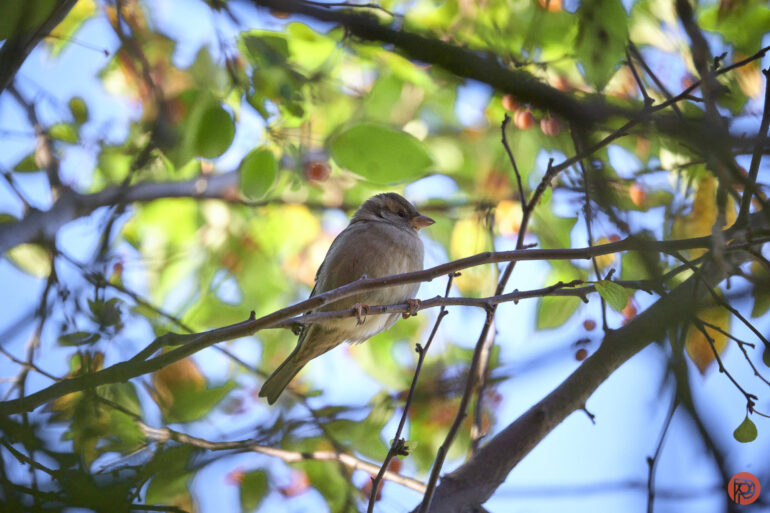
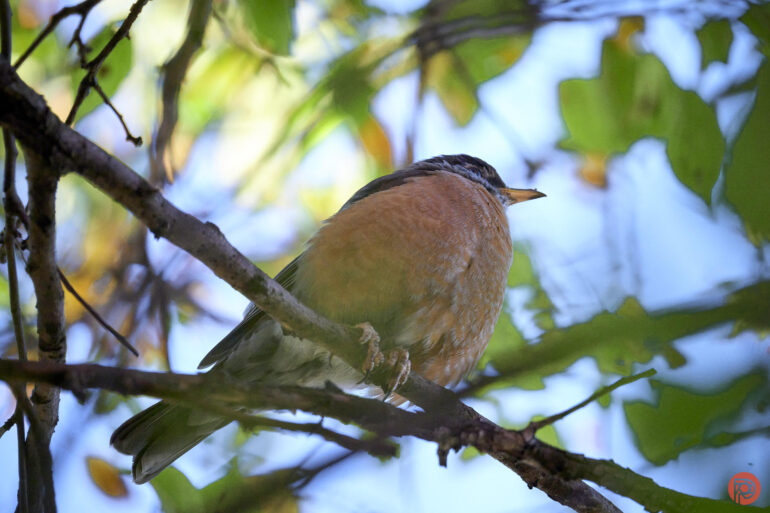
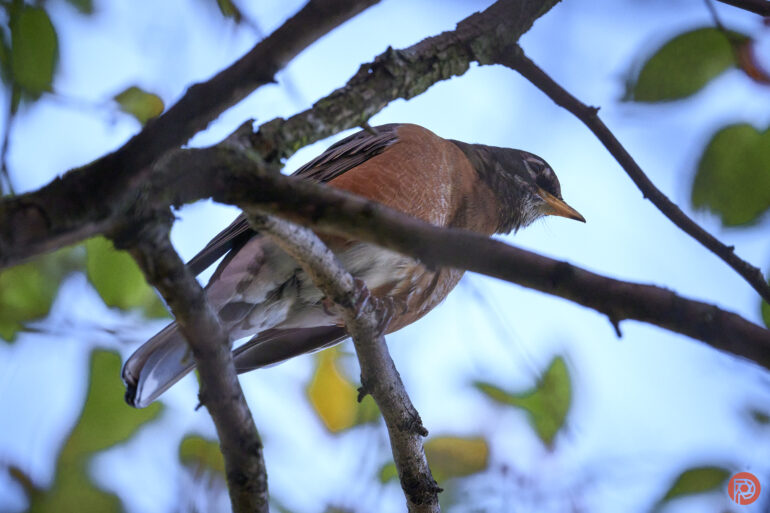
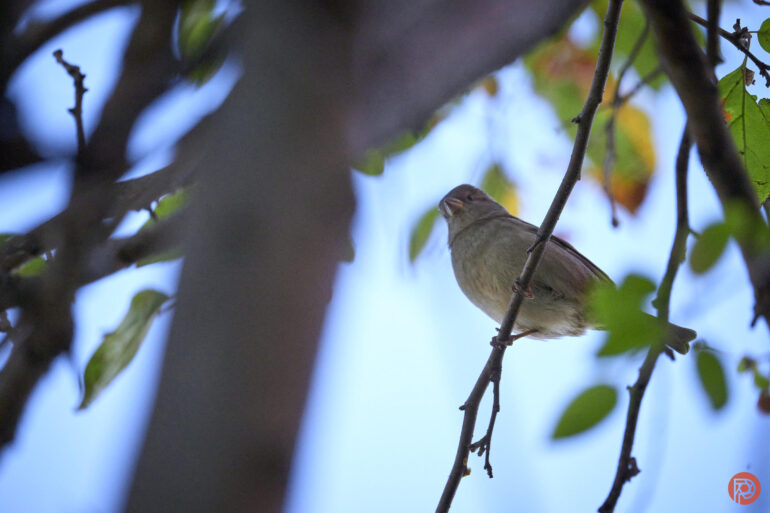
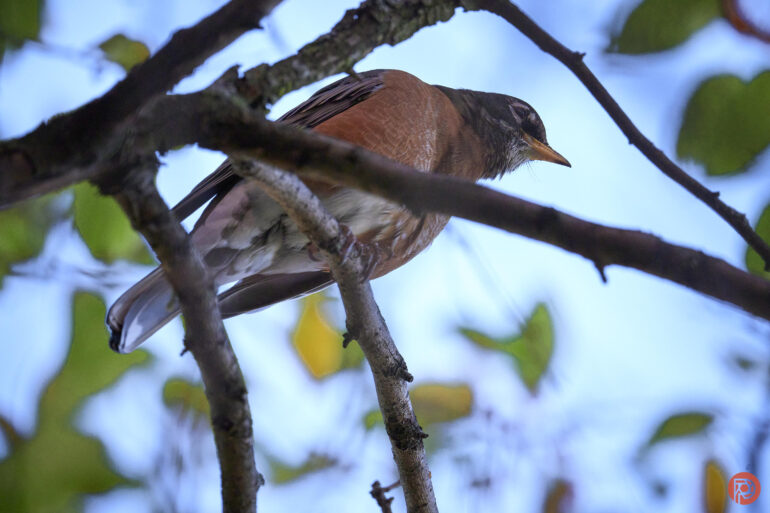
Nikon Z 400mm f4.5 VR S: The best Nikon Prime Lens for Wildlife Photography
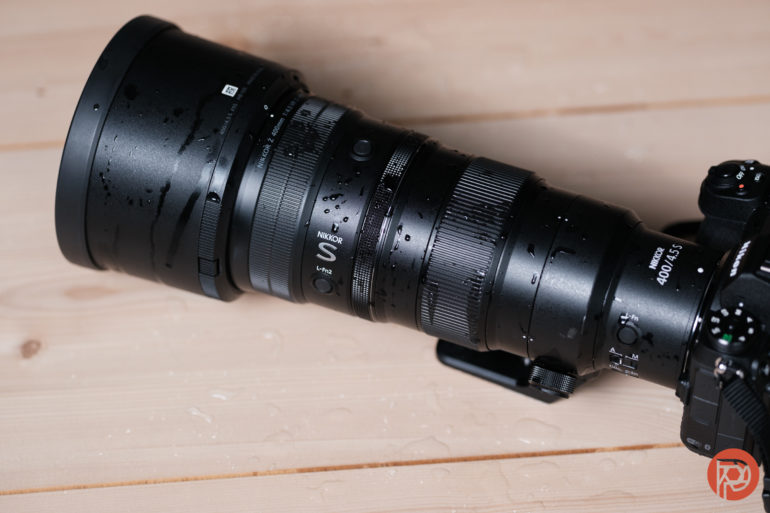
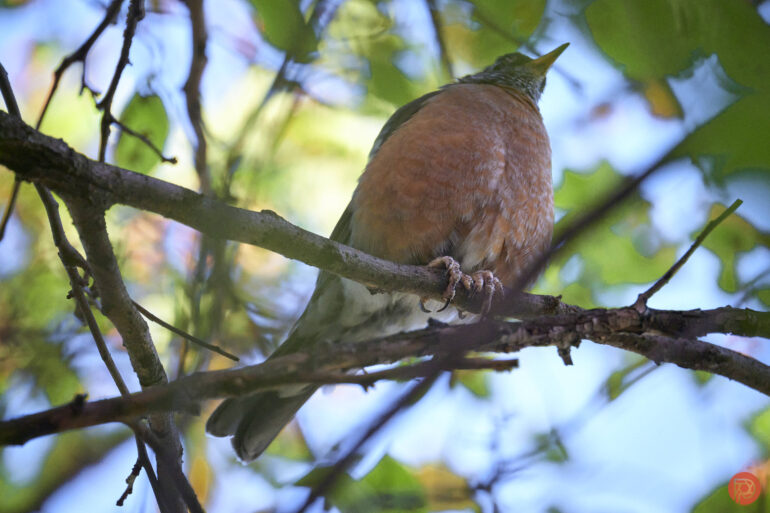
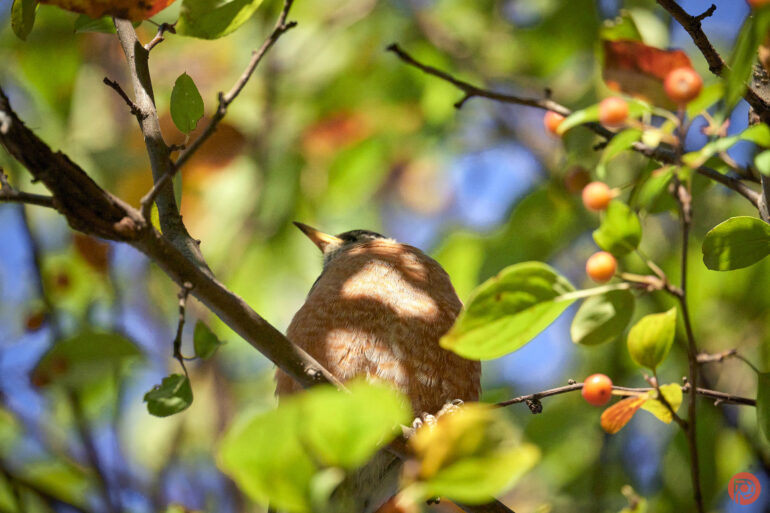
Did we love the Nikon Z 400mm f2.8 a little more than the 400mm f4.5? Sure, but not enough to spend $10,000 more on the f2.8 version. The Nikon Z 400mm f4.5 VR S trades the versatility of a zoom lens for the sharpness of a prime, with a bit brighter aperture than the zoom options. The 2.5-pound lens isn’t terrible to try to hike with either. While it may not be the f2.8, the longer focal length is still plenty to help create some beautiful background separation. Our biggest complaint was that the autofocus didn’t do quite as well with action heading straight towards the camera.
In our Nikon Z 400mm f4.5 review, we state:
One of the biggest features of the Nikon Z 400mm f4.5 VR S is easily noticeable before even holding the lens: it’s $10k less than the f2.8 variation. But that’s not the only reason to love this lens. At about 2.5 pounds, it’s light and compact enough to hike with. Mix in 5.5 stops of stabilization and there are few reasons to use that included tripod mount. It’s also weather sealed and designed with a number of controls. As an S series lens, the 400mm delivers the look Nikon Z photographers are craving: rich colors and tack sharp subjects. The longer focal length is enough to create good bokeh. (That extra $10k will probably help you forget just how creamy the backgrounds of a 400mm f2.8 are.)
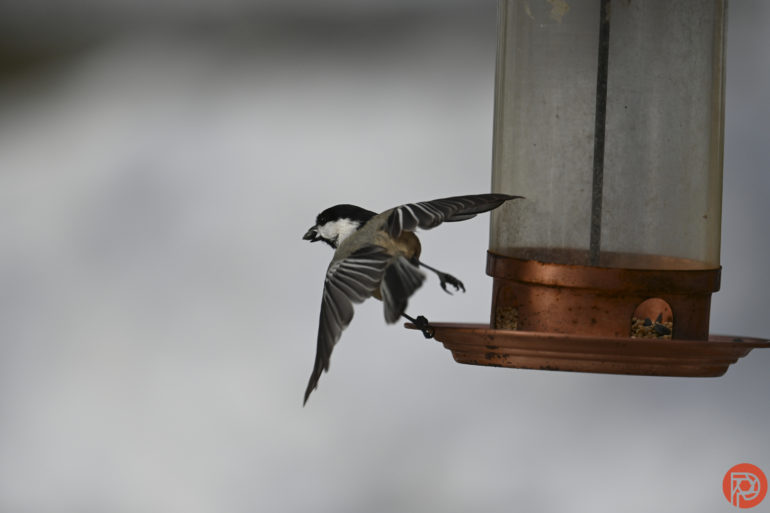
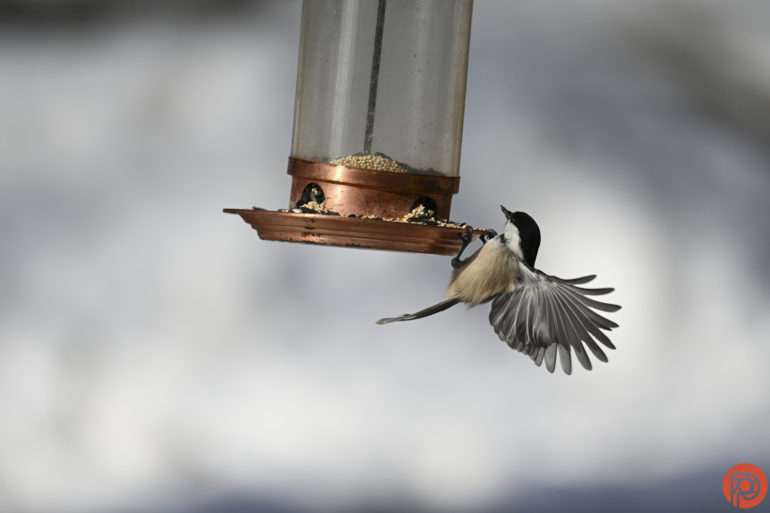
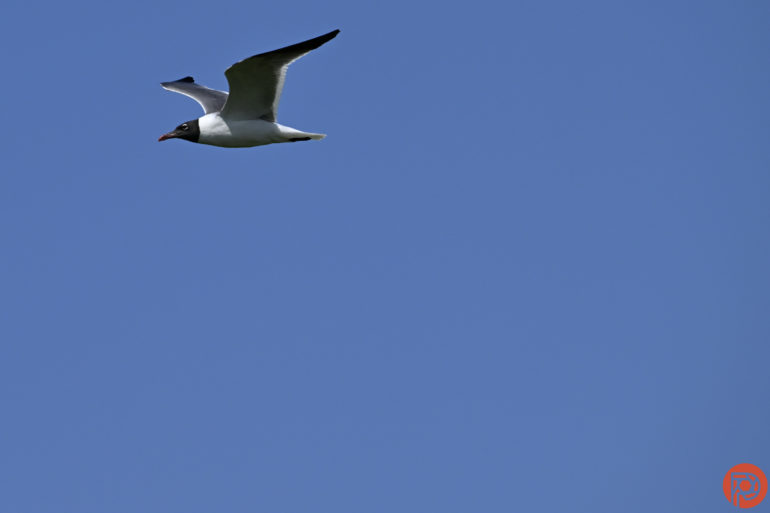
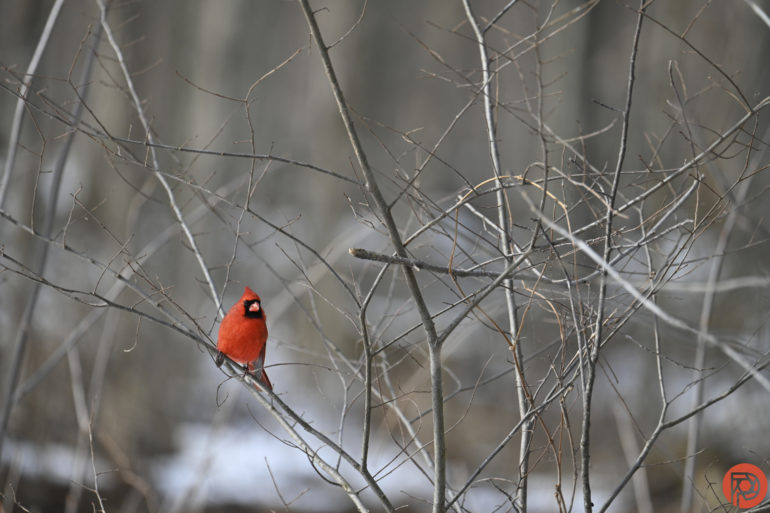
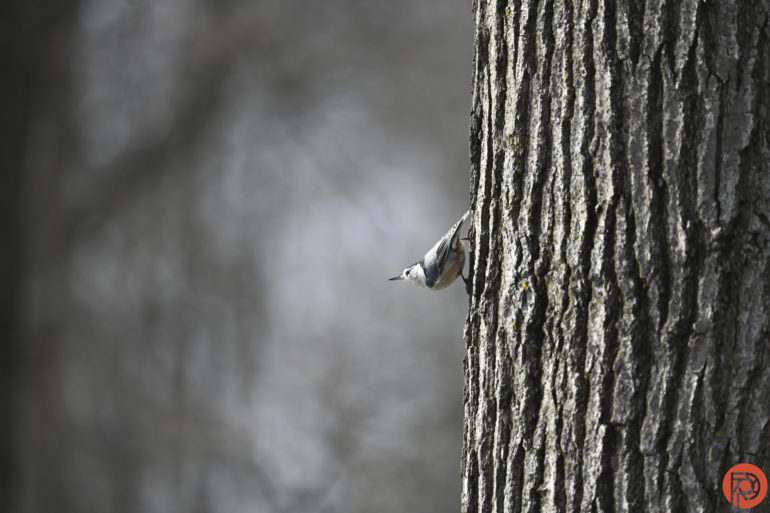
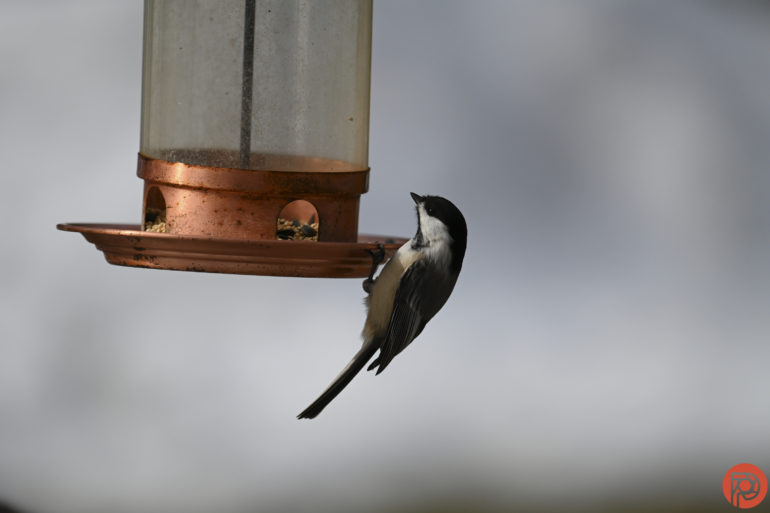
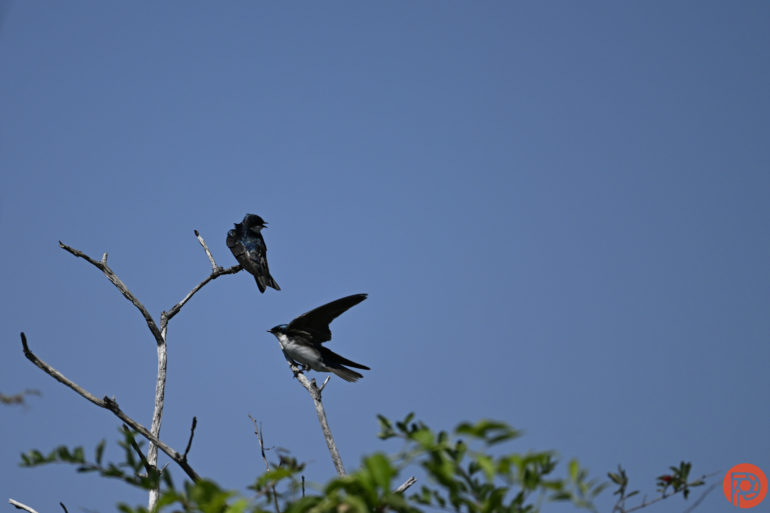
Nikon Z 600mm f4 TC VR: The best splurge lens for wildlife Photography

Our splurge pick for photographing wildlife with the Nikon Z system is the Nikon Z 600mm f4 TC. In many wildlife scenarios, 400mm just isn’t enough. The Nikon Z 600mm has both that longer focal length and a built-in 1.4x teleconverter to reach to 840mm. Is it a heavy, expensive lens? Yes, but pros will love the excellent sharpness and autofocus performance, not to mention the soft backgrounds possible with 600mm at f4.
In our Nikon Z 600mm f4 TC review, we said:
“You’d be surprised how quickly you’d find something like a 400mm lens falling short, in terms of a focal length perspective, when photographing something like rugby or birding in an outdoor area. It’s precisely in such scenarios that you’ll really see the Nikon Z 600mm f4 TC lens shine. Aside from the occasional focus hunting, which I’d attribute more to my selection of the wrong AF settings than the lens itself, you’d rarely miss focus on what you’re aiming at. It has much more customizability than any F-mount lens that Nikon has ever released. Even with the easily activated 1.4x TC, the sharpness is exactly what you’d expect from this lens as a professional photographer. And when used with any of the Expeed 7 processor Nikon cameras (Z9, Z8, and the Zf), expect the AF speeds to match up to pro cameras from any brand today. This lens will surely be a staple for any working Nikon professional who often finds themselves at pro sporting events. Those rugby players running straight towards me at breakneck speeds were no match for the AF system’s speed. Even seasoned wildlife photographers will greatly appreciate the slight weight reduction from the DSLR counterpart.”
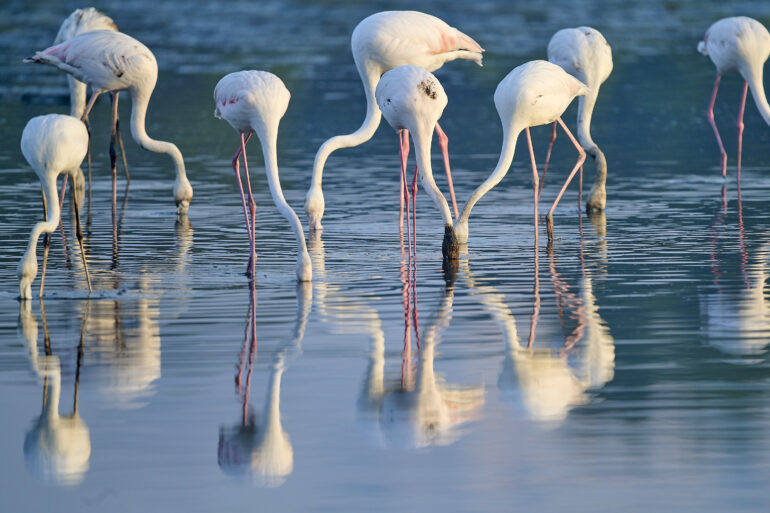
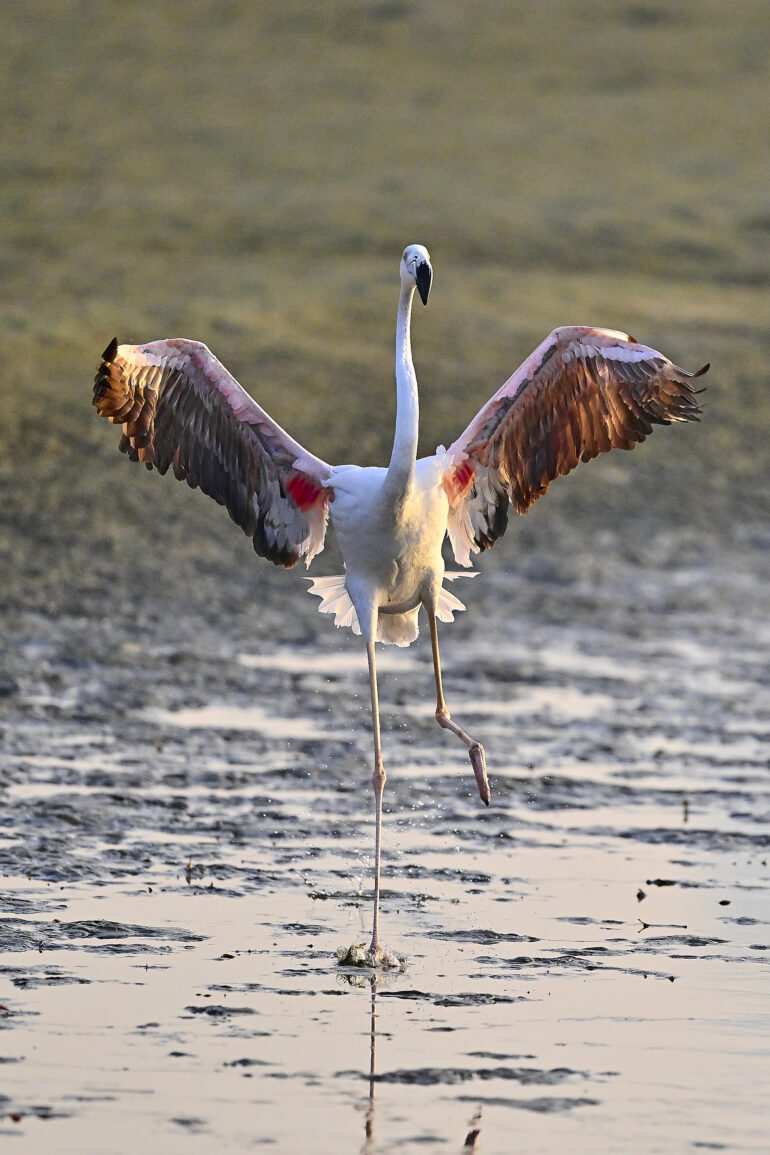
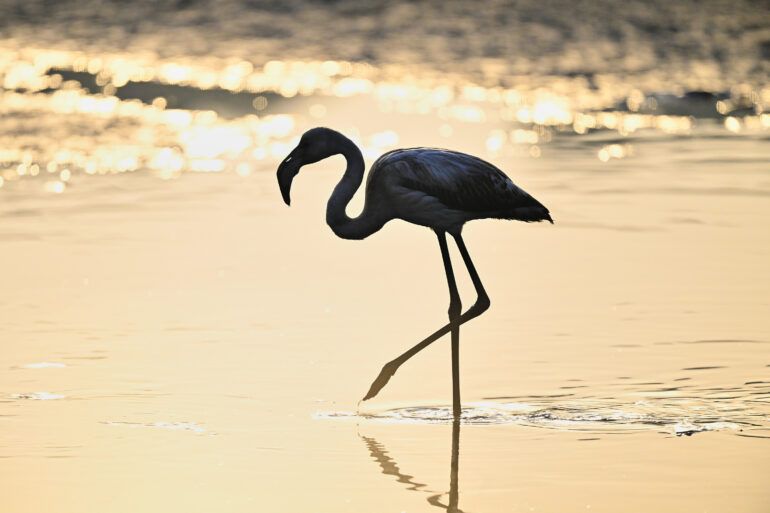
Using this Guide to the Best Nikon Wildlife Lens
If you’re considering purchasing anything from this list, consider the following:
- All the product images and sample photos in these roundups are shot by our staff. In fact, we don’t talk about products at length in roundups like this unless we’ve done full reviews of them. But you can surely know that we’ve done all the research ourselves.
- We’d never recommend a product to you that we haven’t tested or that we really didn’t like. You can reference our linked reviews, for more information on this.
Tips on Choosing Wildlife Lenses for Nikon Z Mount

Wildlife photography sits right alongside sports as one of the more demanding genres, requiring both longer lenses and faster camera bodies to bring in quick animals up close. Choosing a lens is a key decision right alongside selecting the best camera for wildlife photography. As you weigh the pros and cons, consider a few factors based on your own shooting style.
- If you prefer to hike to spot wildlife, portability is a key feature not to be overlooked. If you prefer waiting in wildlife blinds, you can add a good tripod and worry a bit less about how heavy the lens actually is.
- The type of wildlife you are photographing will often determine how much reach you need. With birds on a backyard feeder, you can get away with a shorter lens, but many species are too skittish to get a great shot at 300mm. Plus, some scenarios aren’t ethical or even legal to use food to try an animal in closer to the camera.
- A long zoom becomes more important with lower-resolution bodies. High-resolution bodies like the Z9 and Z7 II have more room to crop in post or use the DX crop mode in the camera when you really need that added reach.
- The longer reach has implications beyond just the size of the lens. The longer the lens is, the more pieces the autofocus has to move to focus. The lenses in this guide were all tested with fast-moving subjects, including birds and wildlife.
Picking the right Nikon Wildlife Lens for you
- What’s your budget?
- How will you use the product?
- What lighting situations are you in, and how will that affect what you’re doing? Our reviews hyperlinked in this article can help with that.
- Are you traveling a lot with it?
- Will you be using it in a situation that’s a bit rougher?
- Who else uses this product? How are they using it?
- What’s so appealing about this product that I can’t get from what I have already or something else?
- When will I really have time to use this product?
- Where will I bring this product?
- How will this product help bring me joy and joy in my photography?
Get rid of the ads!
Did you enjoy reading this article as much as we enjoyed writing it? There's a way to support us and our reporting, getting ad-free navigation and more as a bonus. Subscribe to us for less than a coffee per month —just $3.99— or take advantage of our yearly subscription with a hefty discount for only $25.- An ad-free experience
- A free mystery box for Lightroom or Capture One
- All the books in our store
- 20% discount on Capture One
- 30% discount on Imalume Photo Theft Protection
- 20% off Herbs and Kettle Tea Company.
- 20% off your order from MPIX printing services.
- 5% off Viltrox Products via their eCommerce store.
- 10% off all film developing, printing and scanning services from Blue Moon Camera and Machine
- 15% off 7Artisans products: The lens and accessory maker is offering a sweet discount for Phoblographer's readers.