

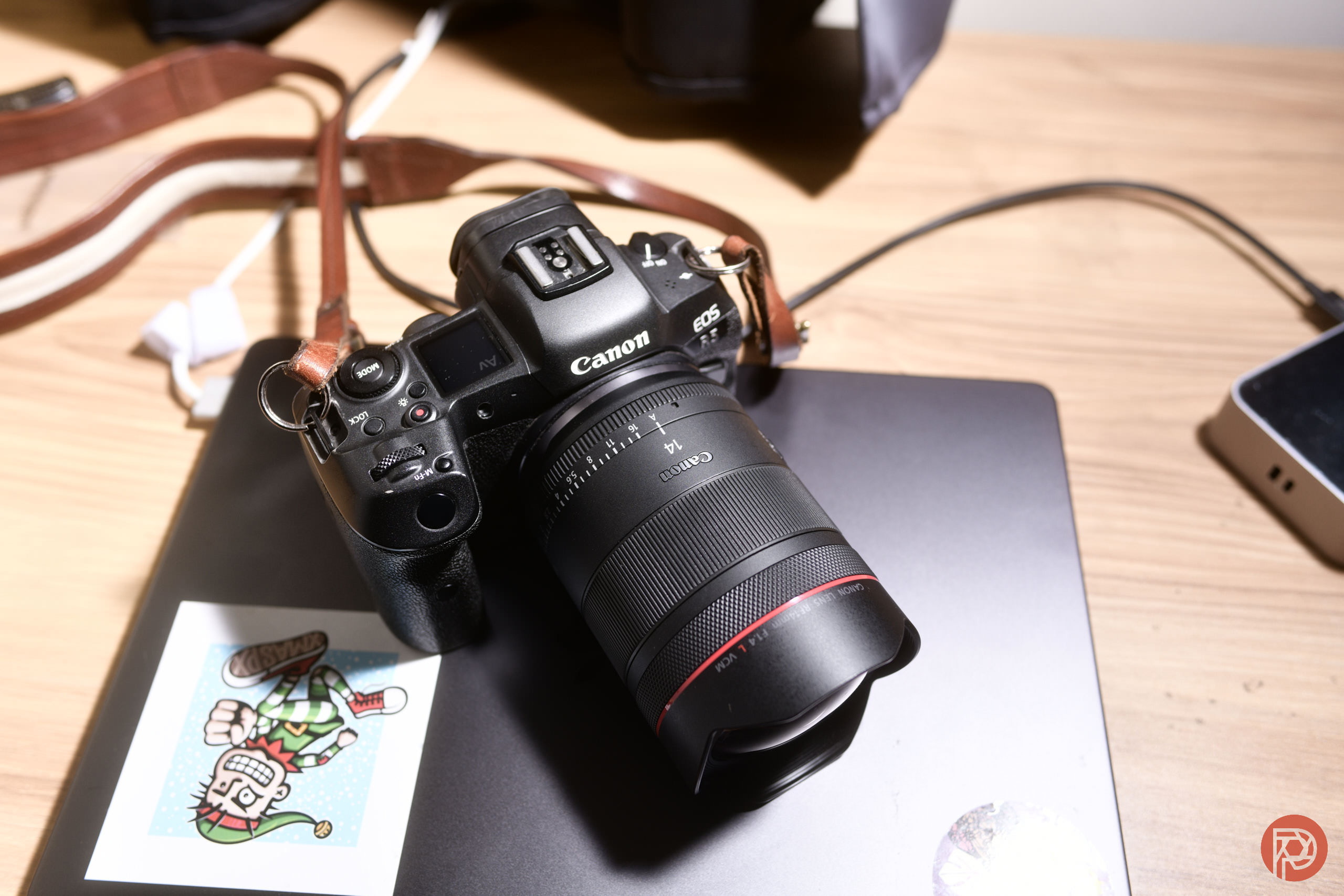
When I was a much younger working photographer, I always wanted to get to the point of needing Canon Pro services. Truly, something in my mind felt like it was a prestigious thing and that I’d worked so hard to achieve it. Yet in truth, you could easily buy your way into it. And as the years passed, I realized more and more that I almost never wanted or needed the newest camera gear. More importantly, things like a warranty were pretty much useless. But Pro services meant that I could get the repairs I wanted and needed. Though at the same time, good insurance would replace that too.
It’s one of the reasons why I started the Photography Care Program a while back. But this isn’t at all a plug for that. Instead, it’s about talking honestly. If you take good care of your cameras and use them in the way that they’re designed while also being mindful, your gear is going to continue to work for a very long time.
I still own an original Sony a7, and it works. Same with the Sony a7r III. And the Canon EOS R. And even my Leica SL2s has had repairs but it keeps working. But Leica is unique in that they offer repairs on loads and loads of products that they’ve made over the years.
For a few years, I easily had enough product to get me on Canon, Nikon, Sony, and LUMIX’s pro services lists. But I never signed up for them. It’s not because I’m a journalist who reports on the industry and I could get repairs pretty easily. It’s more because I understand how the whole thing works.
Pro services don’t make sense for most photographers, but I’ll admit that some of them are a good deal. Sony’s Pro Services is pretty fairly priced, but there’s a big gateway to entry you need to clear first. Canon’s is based on a points system. Nikon covers you on a whole variety of products. In fact, I’d say that nearly anything can be covered, but there are different price tiers. LUMIX on the other hand gives you stuff like a platinum warranty for 5 years.
With insurance, however, you’re covered on a whole lot more and the price is usually pretty worth it. Your business is covered, your gear is covered, your other gear is covered, etc. Ideally you’d have both the pro services and insurance polices available.
If you’re an amateur photographer or someone who is a semi-professional not making most of your income from photography, then I recommend at least getting insurance. But if you’re a working professional, then go get insurance for yourself. Also keep in mind how cheap cameras and lenses are now on the used photography market. They may go up in time, but right now, you’re at a pretty safe place where it’s cheaper to buy used at times instead of using these services. Still, coverage is a nice thing to have.
Get rid of the ads!
Did you enjoy reading this article as much as we enjoyed writing it? There's a way to support us and our reporting, getting ad-free navigation and more as a bonus. Subscribe to us for less than a coffee per month —just $3.99— or take advantage of our yearly subscription with a hefty discount for only $25.- An ad-free experience
- A free mystery box for Lightroom or Capture One
- All the books in our store
- 20% discount on Capture One
- 30% discount on Imalume Photo Theft Protection
- 20% off Herbs and Kettle Tea Company.
- 20% off your order from MPIX printing services.
- 5% off Viltrox Products via their eCommerce store.
- 10% off all film developing, printing and scanning services from Blue Moon Camera and Machine
- 15% off 7Artisans products: The lens and accessory maker is offering a sweet discount for Phoblographer's readers.
- 15% off a VSCO One subscription: Get a bunch of great tools with their all-in-one package.