

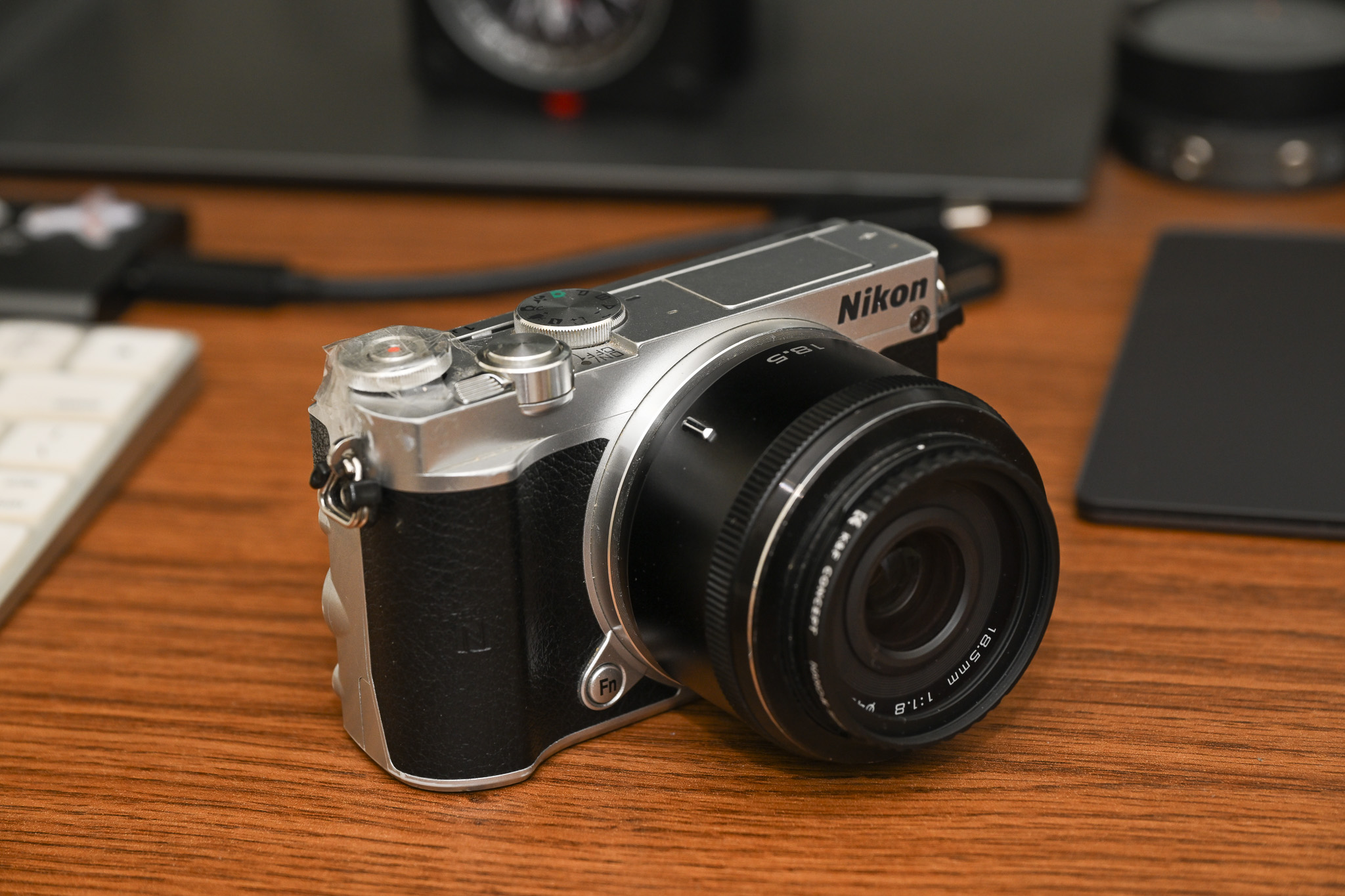
Mirrorless interchangeable lens cameras are everywhere now. They are definitely being touted as the future, with the not-so-old DSLR being looked at like a dinosaur now. While brands are bringing out more and more full-frame and APS-C models these days, a decade and a half ago Nikon quietly tried something that really should have been more successful than it was. We take a look at whether one of those cameras, the Nikon J5, is still good enough in 2026.
“Compact interchangeable lens cameras are becoming desirable again. Travelers want lighter equipment. Street photographers appreciate discreet bodies.”
I’ll start this piece off on a stern note. The failure of the Nikon 1 series of mirrorless cameras lies solely with the brand itself. The lineup was strong, the choices plentiful and the image results incredible. Yet, despite all these things working in the brand’s favor, the 1 series never really took off, and I blame poor marketing for this. In my local distributor’s store, they hardly ever sold it as a viable option, instead opting to push DSLRs to amatuers and prosumers.
“Honestly, it was a camera that I bought for my mom, but it was so good that I ended up using it thousands of times more than she ever did. The J5 shoots genuine RAW files and, pitted against today’s computational AI smartphone cameras, I find myself getting better final images from the J5 after post-processing. You have to agree that physics matters. “
The Nikon J5 was and remains the final camera that was released in the Nikon 1 series. It wasn’t even available for sale here; it had to be imported in from Hong Kong (a choice I’m so glad I took). While the rest of the series was often dismissed as a camera for beginners, without people ever stopping to appreciate just how technologically advanced it really was, the Nikon J5 was the culmination of all of them. It was the camera that quietly perfected everything Nikon had been building towards in this sadly ill-fated series.

The Nikon J5 represents everything the Nikon 1 series should have become famous for. It packed an excellent 1 inch 20.8MP sensor, RAW shooting, an exceptionally fast (world’s fastest at the time of its release) AF response, and super responsive touch screen in a tiny camera body. That AF speed title wasn’t exaggerated marketing — it genuinely earned that reputation.

I still remember touching the rear screen to select my focus point the first time. The instant my finger landed, the camera had already locked focus and snapped the photo. It reminded me of something oddly specific. In Michael Crichton’s novel The Lost World, tranquilizer darts meant for dinosaurs are described as taking around 1/2000th of a second to knock a human unconscious. That absurdly immediate response always sticks in my mind whenever (still often) the AF speed on the J5 impresses me. That speed and responsiveness of the AF mechanism in the Nikon J5 made your photography feel almost effortless. Plus, it could do 20fps with AF and a blazing 60fps with focus locked — incredible for any camera back then.
That AF speed title wasn’t exaggerated marketing — it genuinely earned that reputation.
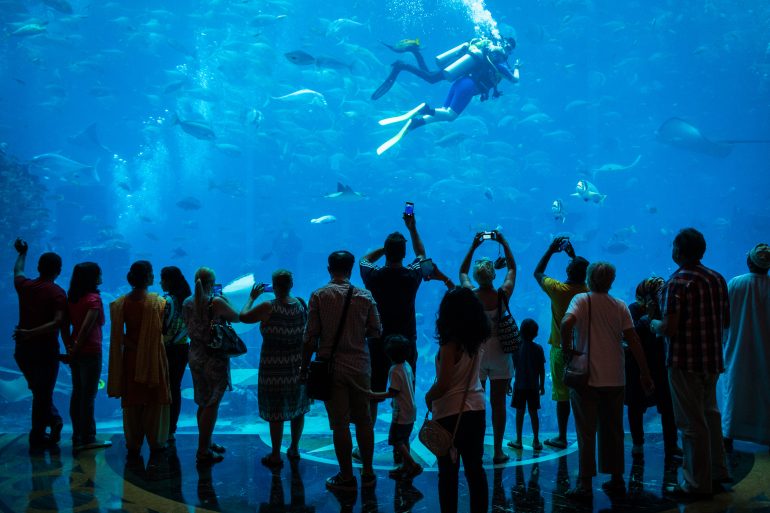
Photographers often underestimate one-inch sensors. They’re smaller than APS-C and m43 sensors. But sensor size alone never tells the complete story and the Nikon J5 demonstrated just how capable this format could be. Noise performance was respectable in RAW, dynamic range was far better than I thought it would be, and detail levels were pretty good.
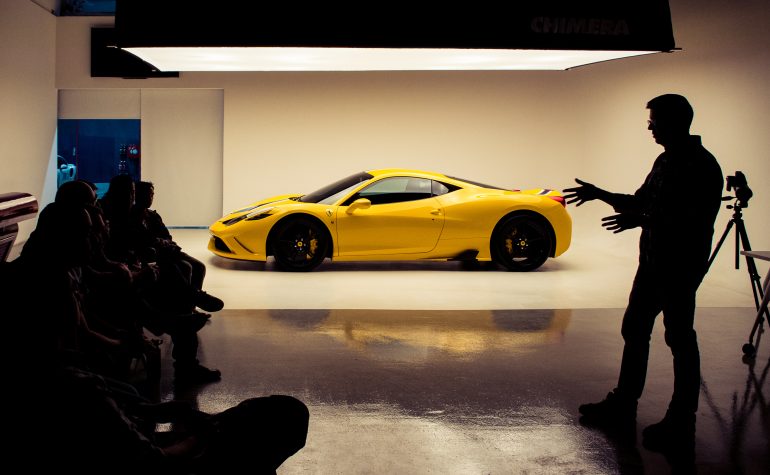
Honestly, it was a camera that I bought for my mom, but it was so good that I ended up using it thousands of times more than she ever did. The J5 shoots genuine RAW files and, pitted against today’s computational AI smartphone cameras, I find myself getting better final images from the J5 after post-processing. You have to agree that physics matters. A dedicated camera sensor paired with class-leading optics simply captures light better.


A camera is not really great without a powerful lens system, and Nikon did well here even if it didn’t reach its peak. A few of those lenses were genuinely excellent. Sadly, I’ve lost two of mine over the years, but I still own the superb 18.5mm f1.8 (equivalent to approximately 50mm with the 2.7X crop factor). The added bonus was the Nikon 1 FT1 adapter that they produced, allowing me to use my F-mount DSLR lenses on the J5, something that almost always produced crazy good results, even if the combo wasn’t often easy to balance handheld.

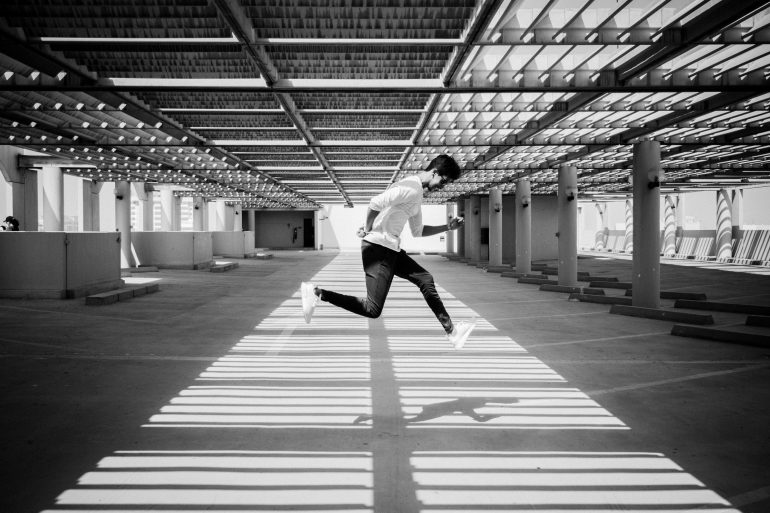
The battery life is good, not exceptional. To be fair, this was the norm even among flagship mirrorless cameras from Sony back then. Also, I never understood why they stuck 4K video in there, but crippled it at 15fps. Users of this camera are better off recording Full HD instead. And I think Nikon missed a chance to sell hotshoe-mounted EVF viewfinders. That is something I wish the R&D team had considered.

Image Gallery
Images seen below have been edited


I really do think Nikon should revisit this format. Technology has advanced enormously since the J5 launched. Imagine what a modern Nikon 1 successor could achieve with today’s processors, AF systems and sensor technology, coupled with AI learning.

Compact interchangeable lens cameras are becoming desirable again. Travelers want lighter equipment. Street photographers appreciate discreet bodies. The Nikon J5 already understood all of that a decade ago (and so did Olympus with the PEN-F). This might actually sell thousands if it ended up being a rangefinder style model from Nikon.


Specs aside, the Nikon J5 is an incredibly fun camera to use and so easy to carry around. It’s a camera that no one notices and one that you never get stopped for using because it looks like anything but a professional camera. It’s primarily junior’s camera of choice now, but I still rely on it for taking gear pics for some of our articles and carry it around on my travels. The J5 was a camera that arrived possibly a little too early for it’s time, but it’s perfectly ripe for use even today.
Get rid of the ads!
Did you enjoy reading this article as much as we enjoyed writing it? There's a way to support us and our reporting, getting ad-free navigation and more as a bonus. Subscribe to us for less than a coffee per month —just $3.99— or take advantage of our yearly subscription with a hefty discount for only $25.- An ad-free experience
- A free mystery box for Lightroom or Capture One
- All the books in our store
- 20% discount on Capture One
- 30% discount on Imalume Photo Theft Protection
- 20% off Herbs and Kettle Tea Company.
- 20% off your order from MPIX printing services.
- 5% off Viltrox Products via their eCommerce store.
- 10% off all film developing, printing and scanning services from Blue Moon Camera and Machine
- 15% off 7Artisans products: The lens and accessory maker is offering a sweet discount for Phoblographer's readers.
- 15% off a VSCO One subscription: Get a bunch of great tools with their all-in-one package.