

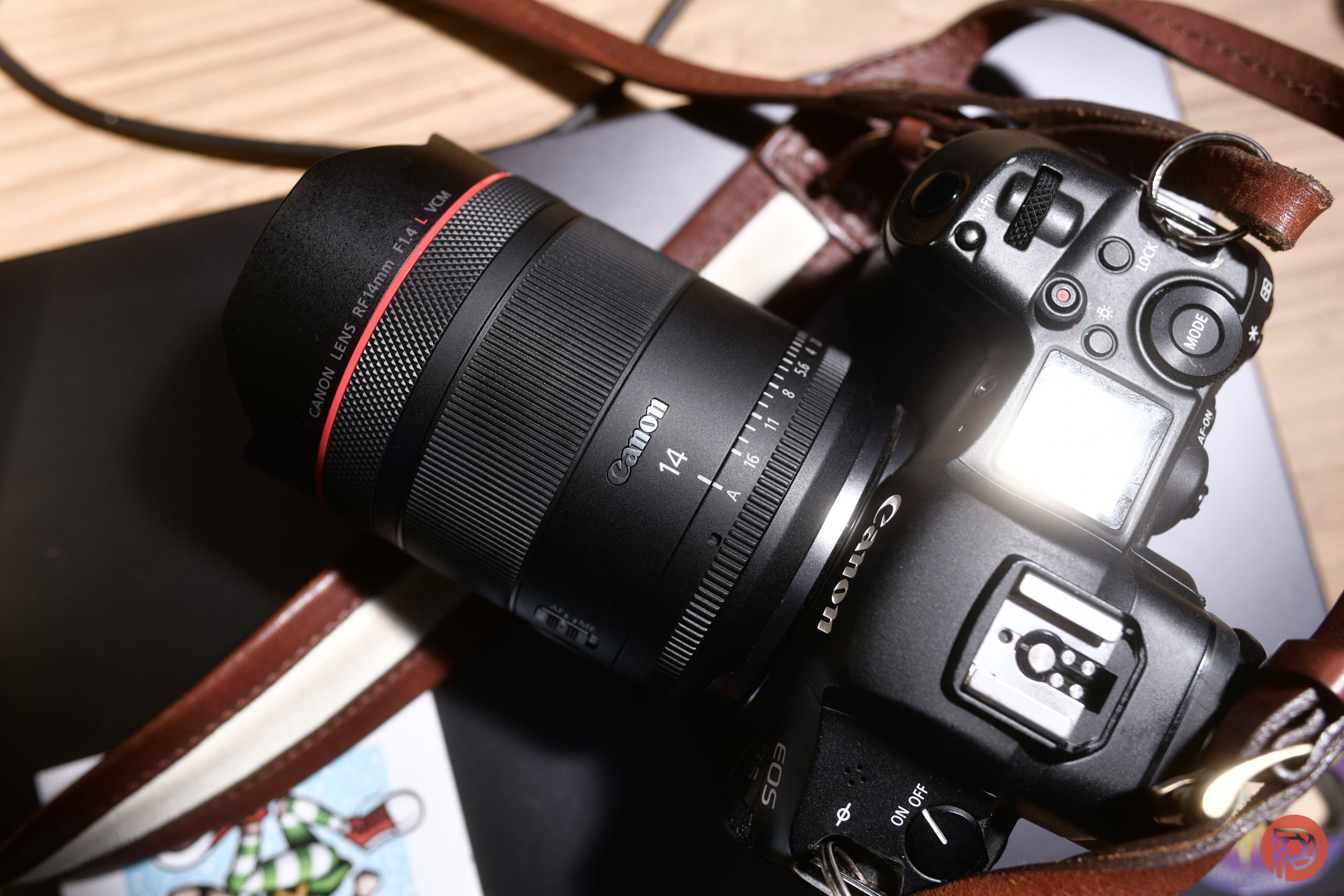
Canon has some wonderful cameras and lenses in its portfolio. The company has single-handedly introduced iconic series, ranging from the Canon 5D to the iconic 85mm f1.2 L. With their recent shift to mirrorless mount, the company is continuing to expand its horizons with newer lenses. Here is a look at a new patent that can help photographers get the best results.
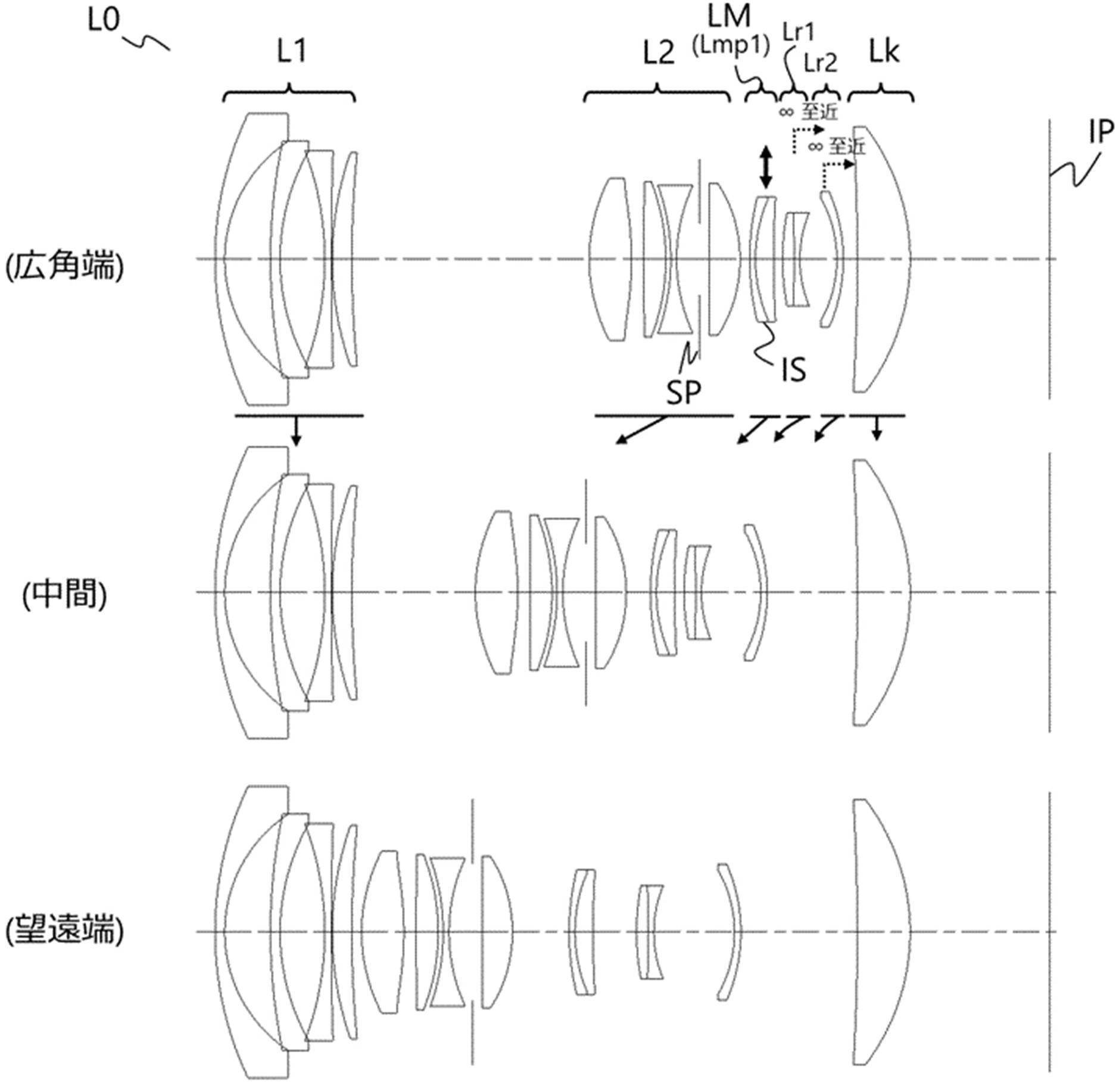
According to Asobinet, patent number P2026088009 showcases three new patent designs: 20-50mm f4 IS, 20-60mm f4 IS, and 16-35mm f4 IS. The 20-50mm already exists, which means the patent is likely to develop a 16-35mm f4. Here is a look at the two designs:
Example 1
- Focal length: 20.60-58.20
- F-rating: 4.08-4.12
- Half-Field Angle: 41.80-19.84
- Image height: 18.42-21.00
- Length: 130.00
- Back Focus: 21.75
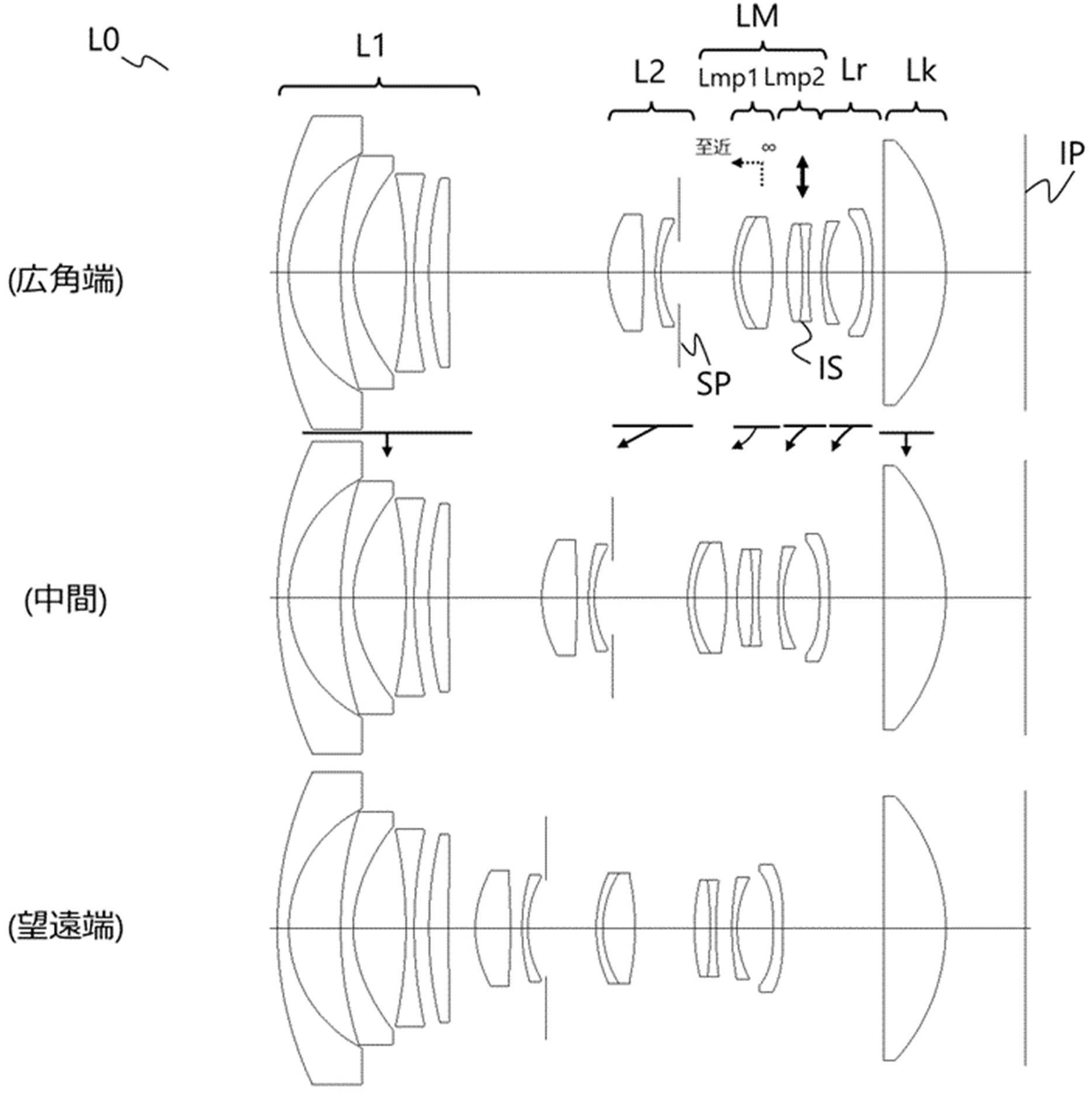
Example 2
- Focal length: 16.48-33.95
- F-rating: 4.08-4.12
- Half-Field Angle: 48.69-32.09
- Height of Elephant Height: 18.75-21.28
- Total length: 118.00
- Back focus: 12.50
The 16-35mm lens already exists for Canon DSLRs, with two different apertures: f4 and f2.8. The patent notes that a compact zoom lens can help with smaller and lighter lenses. One with image stabilization.
The original 16-35mm f4 was introduced in 2014, with f2.8 variant being launched in 2016. The f2.8 version had 4-stop image stabilization, making it the first wide-angle lens to have it. It also has 0.28m close focusing distance, 790g of weight, and measures 88.5 x 127.5mm. In our review, the 16-35mm was a wonderful lens with great weather sealing, image quality, and a wide range of shooting. As we said in our review of the f2.8 version:
There’s a lot that makes this lens wonderful: you can start with the build quality. It’s big, but it’s also well built and can withstand lots of abuse. That means you’ll be less likely to need to buy a new one. However, this is also a workhorse lens, so it has to be able to stand up to a lot of rigor. It just makes sense. The image quality is overall very good. Canon’s sensors help to make it so though as the output is very versatile overall.
Although Canon does not have a 16-35mm, they already have a 15-35mm f2.8 for RF camera. The 15-35mm is priced at $2200, making the lens a bit expensive for those who need it. In that regard, if Canon does launch a 16-35mm f4 version, then it can be priced $1000 less. For instance, the 24-105mm f4L costs around $1200. In that regard, a dedicated lens can be of help to younger photographers.
While a 16-35mm can overlap, the f4 version can be great for landscape photography, architecture, interior, street, astrophotography, and more. Nikon has a 14-30mm f4, and Tamron offers a 16-30mm f2.8 G2, which is closer to 16-35mm, and costs just $929.
The question also arises that, since Canon already has a 24-50mm f4, will anyone be interested in 16-35mm. Perhaps, only for certain folks looking at wider lenses, and may not delve into portrait photography. Either way, the Canon 16-35mm could be idea, but only if the company is willing to put photographers first.
Get rid of the ads!
Did you enjoy reading this article as much as we enjoyed writing it? There's a way to support us and our reporting, getting ad-free navigation and more as a bonus. Subscribe to us for less than a coffee per month —just $3.99— or take advantage of our yearly subscription with a hefty discount for only $25.- An ad-free experience
- A free mystery box for Lightroom or Capture One
- All the books in our store
- 20% discount on Capture One
- 30% discount on Imalume Photo Theft Protection
- 20% off Herbs and Kettle Tea Company.
- 20% off your order from MPIX printing services.
- 5% off Viltrox Products via their eCommerce store.
- 10% off all film developing, printing and scanning services from Blue Moon Camera and Machine
- 15% off 7Artisans products: The lens and accessory maker is offering a sweet discount for Phoblographer's readers.