

Last Updated on 05/13/2026 by Chris Gampat
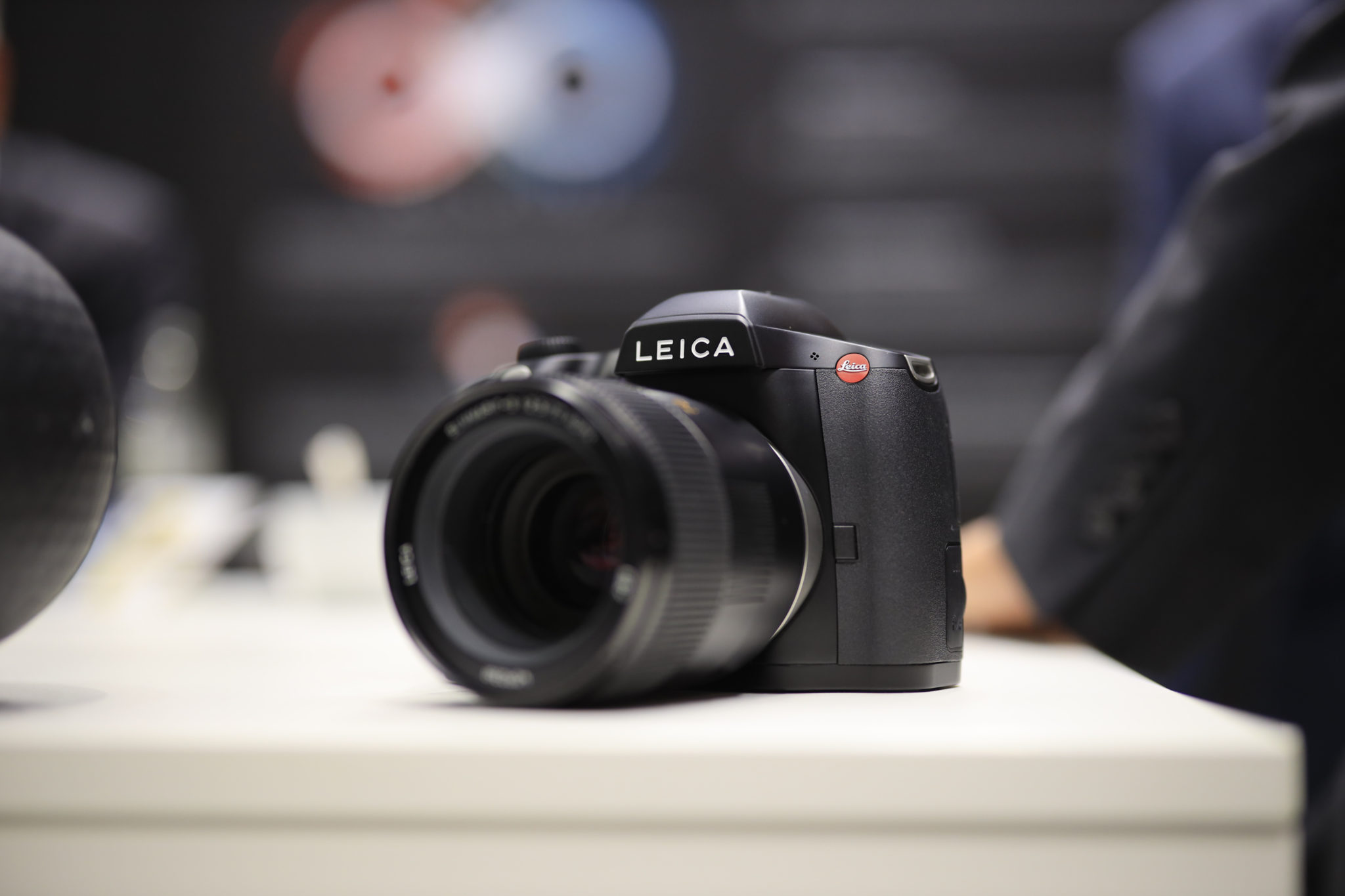
Leica has introduced some wonderful cameras for professionals around the world. While the company has largely dabbled with full frame luxury models, there have been reports of the company developing a medium format camera as well. While this excited people, new reports suggest that the company will no longer be launching the device. Here’s why.
Chris Gampat provided additional insight to this article.
The Story So Far
First reported by Leica Rumors, the platform reports that Leica‘s internal organization has seen a significant decrease in the R&D activities of the proposed medium format camera. A representative from the S development division has also been reassigned to SL and M-series related projects. Overall, it appears that the entire medium format division has been dissolved.
One of the reasons stated for this is reported internal changes, which are due to a much larger corporate structure, than just Leica. At the beginning of 2026, Blackstone, a private equity firm that acquired approximately 45% of Leica Camera AG in 2011, is thinking of letting go of their investment. The report also suggests that the Kaufmann family, who have a majority stake, are also discussing the sale of the Leica brand. At the moment, Leica is valued at one billion euros, and the reported buyers include names such as HSG, formerly known as Sequoia Capital China, and Altor Equity Partners (Sweden).
As a result, one can understand why there has been a reported pullback from the medium format camera. Dr. Andreas Kauffman, who is now the leader of the brand, has also confirmed that the medium format has been coming. In our interview, Dr. Kauffman said:
Andreas stated that the camera is real and is still being worked on. However, he hesitates to talk about it more because he flat-out states that it isn’t easy to make.
One could also think that an expensive medium format mirrorless camera with a several-year development becomes difficult to justify during a sale pitch. While the camera was said to launch in two years, with a new lens mount and lens ecosystem, the news only further proves that financial handovers can halt any innovation. While it could have been a landmark moment, had the camera launched, this also highlights how European companies can now be run by Chinese manufacturers. An example is Hasselblad‘s top shares being owned by DJI. While this does not particularly mean that Chinese companies interfere with the manufacturer’s plans, they can, however, have a say based on market evaluation.
To those who were keen on a Leica medium format camera, the news makes a lot of things uncertain. With Fujifilm GFX in the medium format market, Leica’s own introduction can be of help to many. It remains to be seen how the acquisition plays out, if it is bound to happen. For now, the medium format is a promise which can only be fulfilled if Leica sees its place in the near future.
Sequoia Capital China May Be the New Owner of Leica
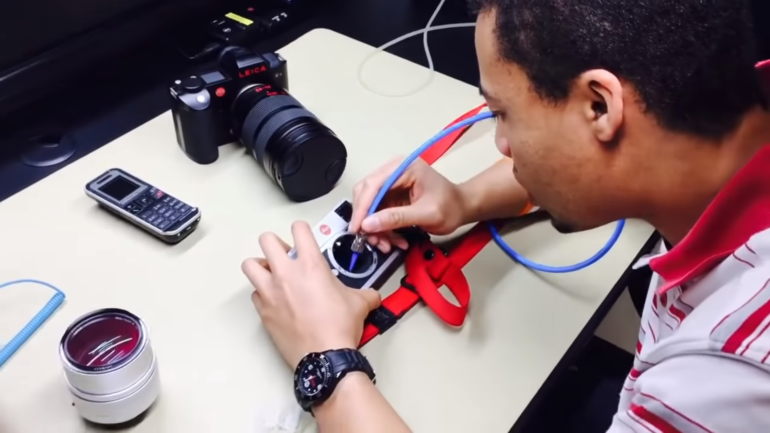
Not long ago, Leica announced a strategic partnership with GPixel, a Chinese company that makes sensors. This means that they’re probably going to start moving away from the Japanese-made sensors that come from Sony. Tower Jazz is from Israel, as far as we’re aware — and they’re the only other really big company that camera manufacturers use. According to Bloomberg, Sequoia was the earliest financial backer of GPixel. Considering the two companies already have a history and both are looking to work with Leica, it seems evident that Sequoia may be the next big owner of Leica.
Further, according to Forbes, more and more companies are looking to work with GPixel.
In that case, I’m all for it. I’d much rather this happen than a Japanese company take it over. And I say that from experience in the photo industry. Sony gutted Minolta. Hoya gutted Pentax. Ricoh gutted Pentax. OM System’s owners gutted them until the CEO took over majority ownership.
No matter the outcome, it would only be a good thing for the camera industry. All of the Japanese manufacturers use each others components, and Leica has been working to address that over the years. So too have other companies. I yearn for a day when Panasonic is using their own sensors again. As it is, I’m still not totally clear about the Panasonic S1R original. The word is that that sensor wasn’t made by Sony. And every now and again, I still think about how nice the image quality output was. I remember in my tests, something about the RAW file versatility didn’t feel like it came from Sony or Canon. Sony’s files often retain this insane level of sharpness and Canon’s tend to fall apart. The sensor that was in that camera still feel very capable.
Get rid of the ads!
Did you enjoy reading this article as much as we enjoyed writing it? There's a way to support us and our reporting, getting ad-free navigation and more as a bonus. Subscribe to us for less than a coffee per month —just $3.99— or take advantage of our yearly subscription with a hefty discount for only $25.- An ad-free experience
- A free mystery box for Lightroom or Capture One
- All the books in our store
- 20% discount on Capture One
- 30% discount on Imalume Photo Theft Protection
- 20% off Herbs and Kettle Tea Company.