

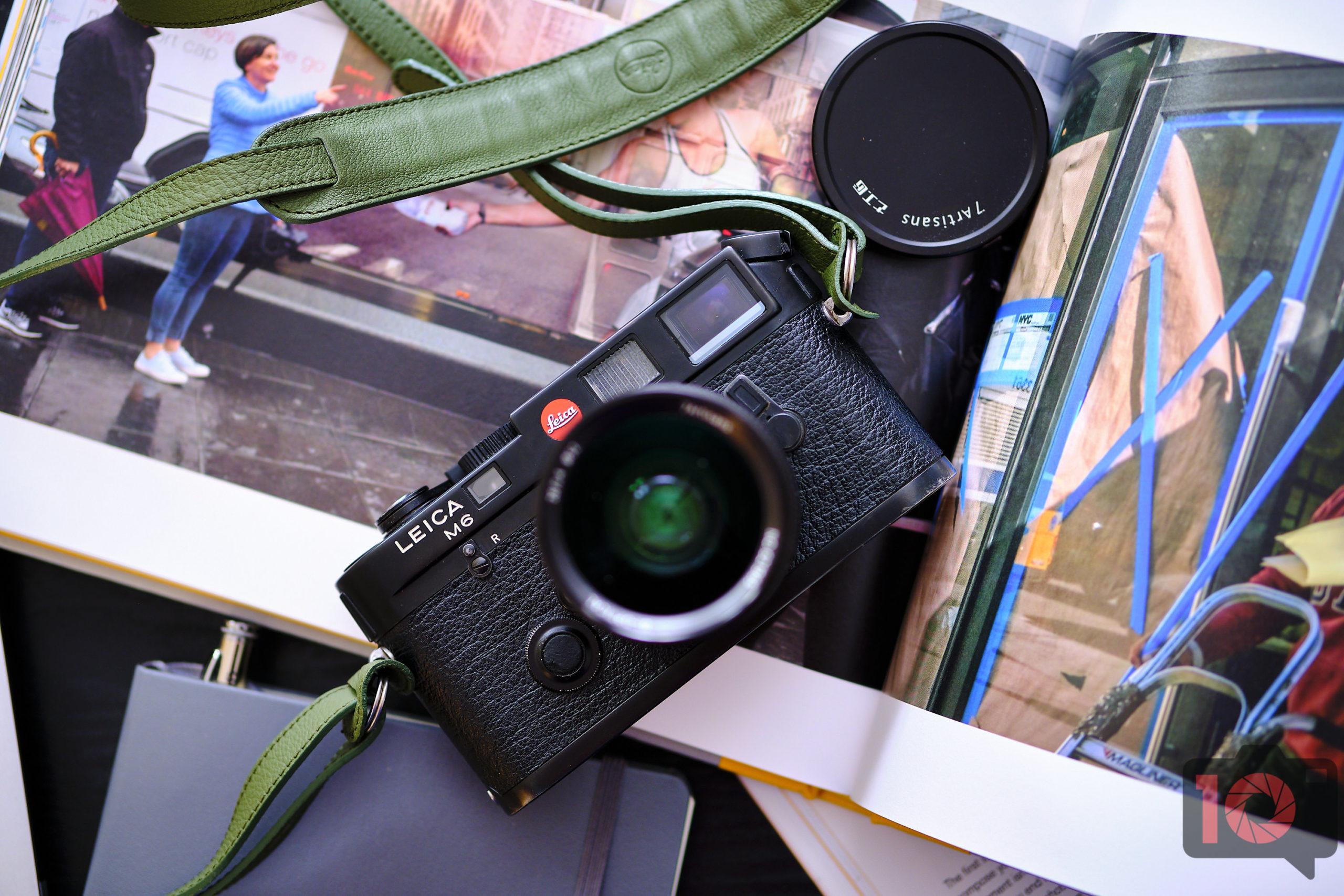
Leica cameras have been pretty great. The company has launched exciting models that showcase its commitment to photographers. While modern devices are exceptional, we take a look at the cameras from the past that were important in helping Leica reach where it is today. Have a look.
Leica M3
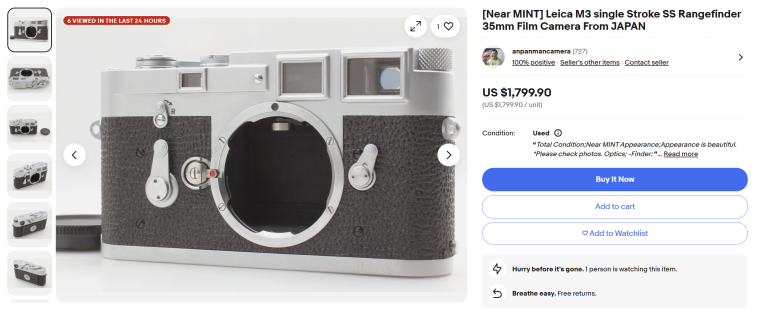
The M3 is an iconic camera, launched in 1954, at the pinnacle of mechanical perfection. The camera introduced the M-Bayonet mount and the integrated rangefinder-viewfinder known as the Messsucher. It also featured a 0.91x magnification, which enabled a “life-size” view of the world. The device became more popular after photographers like Henri Cartier-Bresson used it. The shutter was quiet, and the M3 was hand-assembled from over 1,000 parts with no compromise on materials. Because it’s a pure mechanical machine, the camera is still sought after.
Leica M4-P
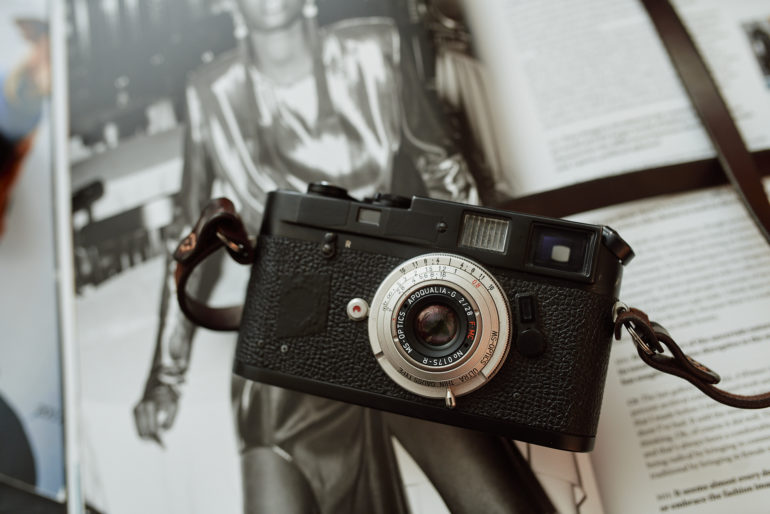
The M4-P was launched in 1981, and it is often said to have saved Leica. The device was created when Leica was facing instability, and it served as a classic, unmetered Leica and as a bridge to the modern era. It was the first camera to feature a six-frameline system, which later became a standard. It also used steel, which made the camera more durable. However, it lacked a light meter and the iconic red dot. As we added in our review, ” really love the Leica M4-P. It’s a beautiful camera and arguably the best fully analog Leica ever made. This adds to the reliability for sure.”
Leica M6
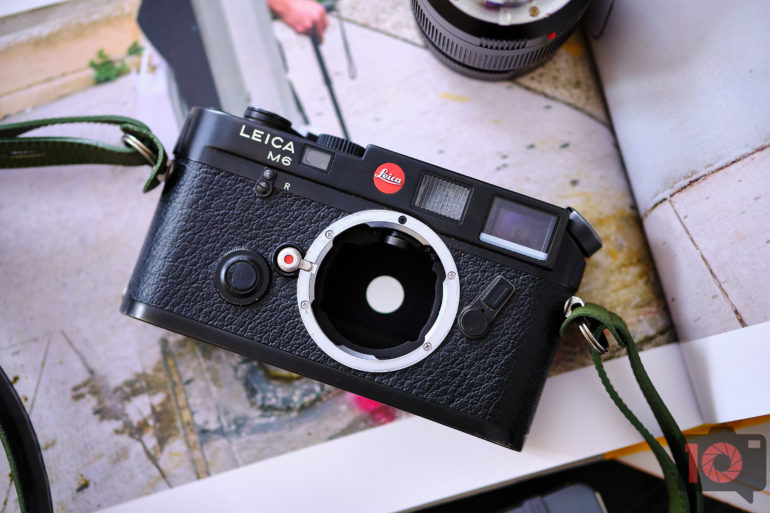
Launched in 1984, the M6 solved the rangefinder’s biggest hurdle: exposure. It was the first Leica to include a Through-The-Lens (TTL) light meter and intuitive twin-LED system, which helped users to find the correct exposure. All of this without increasing its size. Since it was fully mechanical, you only needed the battery for the light meter. The standard also included the 0.72x magnification viewfinder, which included six framelines. As we said, “The Leica M6 TTL and Leica film cameras in general probably aren’t the simplest for most folks to use until they really sit with them. Once they do, photographers will realize that using a Leica is a really tactile experience.”
Leica S2
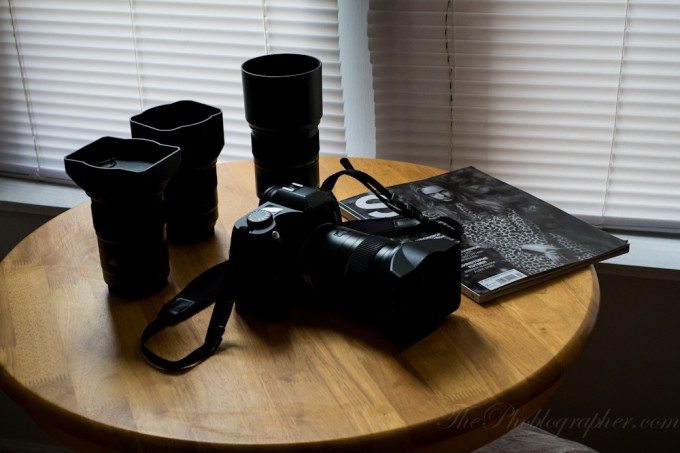
The S2 was designed to merge the handleability of a 35mm DSLR with the image quality of medium format. The S system was completely new, built for fashion and commercial photographers. It features a 37MP 30 x 45mm full frame sensor, which offers a lot of tonal range. There were also built-in focal plane shutter (for speeds up to 1/4000s) and a Central Shutter (CS) integrated into specific lenses, which is helpful for studio work. It was also the ultimate tool, with weather sealing, and had a minimalist design. When we reviewed the camera, we loved the image quality, even if it feels a bit much. As we added, “The uncompressed files have tons and tons more color depth and versatility than the compressed files do. Additionally, I felt that the color accuracy improved.”
Leica M9-P
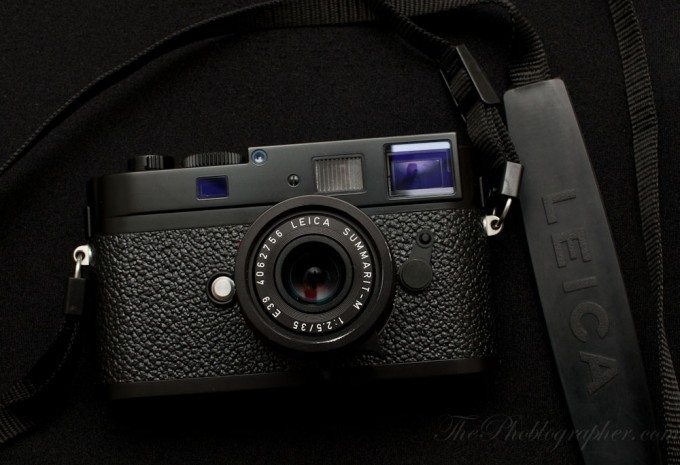
TheM9-P was the company’s first full-frame digital camera. It featured an 18MP CCD sensor that produced Kodachrome film-like aesthetics. The P stands for Professional, and it also lacked the icon. One of the reasons is that it can be used by photojournalists who want to remain inconspicuous. It also came with a scratch-resistant sapphire crystal cover, making the LCD pretty great. As we said in our review, “Despite its age and slow electronics, the M9-P remains highly sought after in 2026 because it is the ‘last of its kind’—the final flagship Leica to use a CCD sensor before the industry switched entirely to CMOS.”
Get rid of the ads!
Did you enjoy reading this article as much as we enjoyed writing it? There's a way to support us and our reporting, getting ad-free navigation and more as a bonus. Subscribe to us for less than a coffee per month —just $3.99— or take advantage of our yearly subscription with a hefty discount for only $25.- An ad-free experience
- A free mystery box for Lightroom or Capture One
- All the books in our store
- 20% discount on Capture One
- 30% discount on Imalume Photo Theft Protection
- 20% off Herbs and Kettle Tea Company.
- 20% off your order from MPIX printing services.
- 5% off Viltrox Products via their eCommerce store.
- 10% off all film developing, printing and scanning services from Blue Moon Camera and Machine
- 15% off 7Artisans products: The lens and accessory maker is offering a sweet discount for Phoblographer's readers.