


Today, cameras have come too far. One can take a photo of a bird hiding inside a bush with ease. Your camera can track your subject’s eyes in low light, and your sensor can shoot good images even at ISO 12,800. With faster frame rates, one can document sports with ease, and some also offer AI tools to make your photos better. Yet, despite all the power in your hands, there may have been instances where you feel your photos are not doing enough. Here’s what’s keeping you from getting better.
You Are Becoming Lazy and So is Your Camera
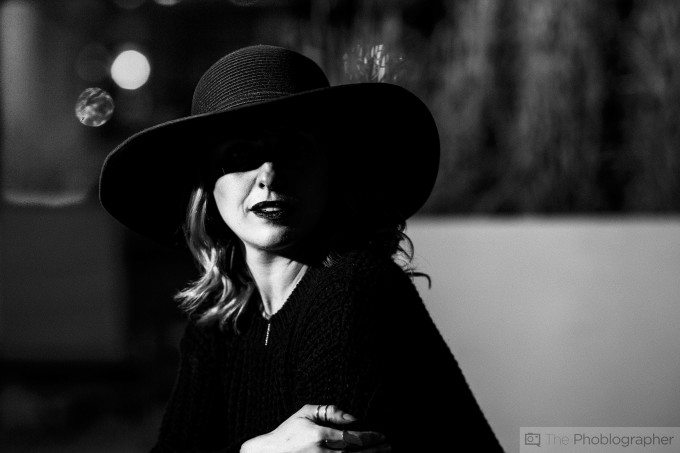
There was a time when photographers would spend a lot of time on forums, talking about photography, rather than actually going to make photos. Today, some of you still do this, but you also are becoming complacent because of the gear. The exposure sets itself, the focus point is chosen by the camera, and you can shoot 20 images per second. You also get the best editing tools, to a point where you can edit photos in bulk. So, the question that arises is, what decision are you making? Is it just the frame that is your own? And if so, isn’t it a small contribution? In all this, what contribution will your image make? What meaning are you trying to bring into the world? These are some questions that you must ponder over.
If you want a fix, the answer is simple: go out and make images. Not a photo walk with a friend or an hour before dinner. But committing to an actual body of work. Choose a subject and stick to it, even if it feels repetitive or boring. Your intention of sticking around is what will help.
AI Features Are Making Your Life Easy
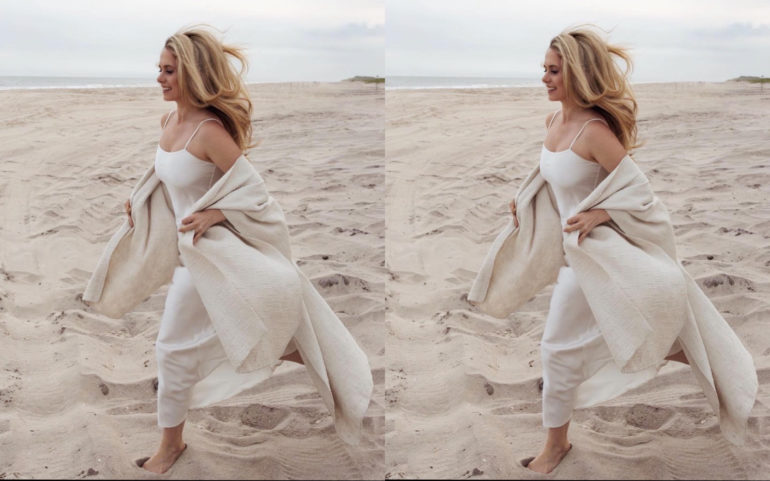
Over the years, cameras began to offer better megapixels, tracking, smaller size, subject recognition, and so much more. In fact, editing software has now made it easy to de-haze, remove noise, or, most recently, use generative fill to change the sky or background. But with so many options, it also means you spend a lot of time editing your images. While gear and editing matter a lot, it changes everything when you put art and image-making in the back seat. Gear obsession needs a fix, and so do the hours you spend to make a photo seem unrealistic. So what if the sky had fewer clouds that day? Will it really ruin your shot and make your clients mad at you? Absolutely not. Your need to fix everything is making you an illustrator instead of a photographer. You saw the right light, angle, and expression, and you made a decision. The image, thus, can’t be generated again. And that’s what makes you, you.
The best way to fix it is to use your camera by shutting off the LCD and giving yourself 36 exposures alone for that day. No chimping or deleting the photo either. This small exercise will make you more decisive.
You Can’t Curate Your Images
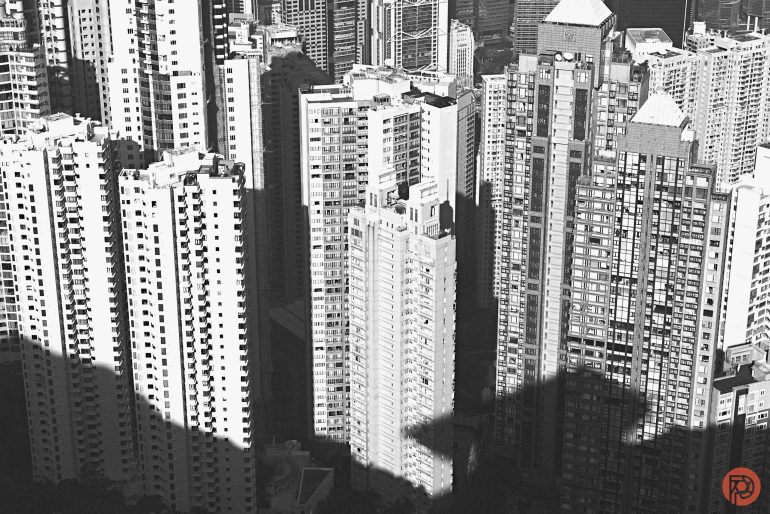
One of the most underrated skills, after taking photos, is the selection. The ruthless, honest edit of your images, which deserve to exist in the world. Most photographers are not good editors of their work, and they often rely on others to help them. This is often the case for printing the work, but it doesn’t happen when posting online. Instagram and Facebook are designed to reward you with every image you post. In that regard, you care more about quantity than quality. And so, while your images are pleasing, they don’t say anything.
The best way to fix this will be to sit with your work and be brutal and honest about which photos are strong vs. which seem acceptable. Keep this discipline going forward, and you will be able to separate your images from others. Your work can gather meaning with time. Depend on your gut instincts, and go with pictures that make you or your friends feel something.
You Are Surrounded by Mediocre Work
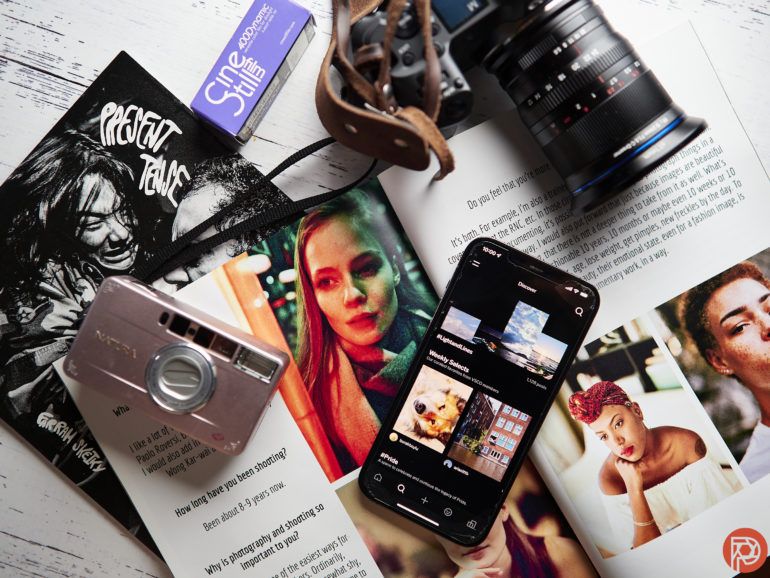
What you look at makes a huge difference. If your primary diet of visual arts is not books or historical works, but instead Instagram, TikTok, and Pinterest, then your ideas will be shaped by the algorithm. These images may not equal great works of art but rather photos that are optimized for immediate attention. Photographers who make images that stand the test of time are often seen in books and exhibitions and often leave you feeling something. Even if it is the emotion of confusion or discomfort, they will be remembered better than aesthetically pleasing photos.
Now in 2026, AI-generated images are often confusing people more, and this is why it is a great time to go back to the older materials to build your vision. It may not do its magic in the first week itself, but with time, you’ll train your eye to reject the obvious.
You Are Not Asking Yourself the Right Questions

The most significant moment is the few seconds when you press the shutter. But while you do so, you also need to ask yourself a few questions before you release the shutter: Why am I making this image? What is it that I want people to feel? What is in this frame that should not be there? What is missing that would make this stronger? Is the light right, or should I wait? With more photographers having better cameras, they are not keen on learning themselves; instead, they trust the machine to make these decisions.
While it may work, it produces a technically excellent photo, but it is not worth documenting. Every act in photography is a deliberate one, from choosing the aperture to cropping the photo. Yet, with more automation, this joy is fading away. If you are fully present in the photo, you can easily, you can bridge the distance between where you are and where you want to be. If you stop caring about the gap, you will not grow.
Get rid of the ads!
Did you enjoy reading this article as much as we enjoyed writing it? There's a way to support us and our reporting, getting ad-free navigation and more as a bonus. Subscribe to us for less than a coffee per month —just $3.99— or take advantage of our yearly subscription with a hefty discount for only $25.- An ad-free experience
- A free mystery box for Lightroom or Capture One
- All the books in our store
- 20% discount on Capture One
- 30% discount on Imalume Photo Theft Protection
- 20% off Herbs and Kettle Tea Company.
- 20% off your order from MPIX printing services.