

Last Updated on 04/02/2026 by Chris Gampat
Ever wondered if someone is ripping off your commercial photography and passing it off as their own? Or if someone has stolen an image of yours and is using it without permission? Watermarks are so easily removed by AI tools these days that anyone can steal an image off your website, upscale it so easily and then use it without authorization. There are a handful of sites that can help with tracking such usage already, but the new Imalume website looks like it’s the quickest of them all so far.
Are Your Photos Being Stolen?
There was a time, not so long ago, when having a carefully applied watermark on your images posted online, was almost a surefire way of making sure they weren’t used without your permission. Not anymore though, with scores of generative-AI powered websites allowing nefarious web surfers to quickly remove watermarks from even lower resolution photos taken by professional photographers. Once that’s done, they can be upscaled to print quality size using other such websites.


Take the above example. This was done using a leading software company’s photo editing tool. Even the watermark in the more complicated area, such as the one above the subject’s eye, has been removed so expertly. It took me all of 2 minutes to do this, and technically speaking, I didn’t do much. All that was done was to select the watermarks and then run an AI prompt command saying “remove watermarks”. In no time, the software had cleared them all out so well, that even someone highly trained in photography couldn’t tell there was ever a watermark on this photo.
The worst part – nearly all of this can be done for free over and over again. Many such images then end up being showcased as the work of those who stole them, or worse, sold for a profit. It’s theft – let’s be very clear on this, and it happens every day, often without the hard working photographer having no idea that his photos are being proxy profited off without him making so much as a dollar on it. I’ve had this happen to me as well, and I’ve only been able to find out about such instances when I reverse image searched some of my photos either via Google or Tineye.
The issue with such image searches are that while they can be accurate for the most part, they need to be initiated by you – the photographer. You have to not just find the result, you also need to then manually initiate contact with the offender and notify them about the unauthorized usage. For someone like me who puts loads of news images on stock sites each month, this is cumbersome and very time consuming.
An Interesting Solution
This was the same issue experienced by JT, the founder of Imalume. Running a Google search on some of his photographs, he found that multiple companies had ripped off some of his images and were using them without permission. That result was a catalyst for him in the creation of this website. It’s helped him recover over USD $7000 so far and he’s decided to open up the platform to other photographers to use. I contacted JT to understand exactly how the site works and found that it’s actually quite a simple and straightforward tool. He’s even added a couple of features based on some suggestions I had.
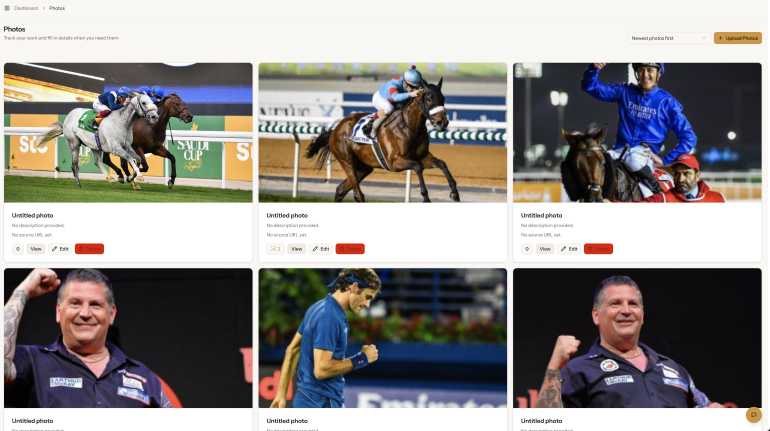
The website is easy to sign up to, and currently offers a free search for 25 of your images. These can be uploaded to your dashboard in the site. What absolutely astounded me was the speed with which some of the search results came back. My first lot of 12 images were uploaded sometime in the evening, and after doing this I decided to make myself a cup of tea, thinking it would be some hours before I could actually see some results.
Gosh, was I wrong about that.
Not even 2 minutes had passed before I saw a notification on my phone, saying I had received an email from the website with the below update.
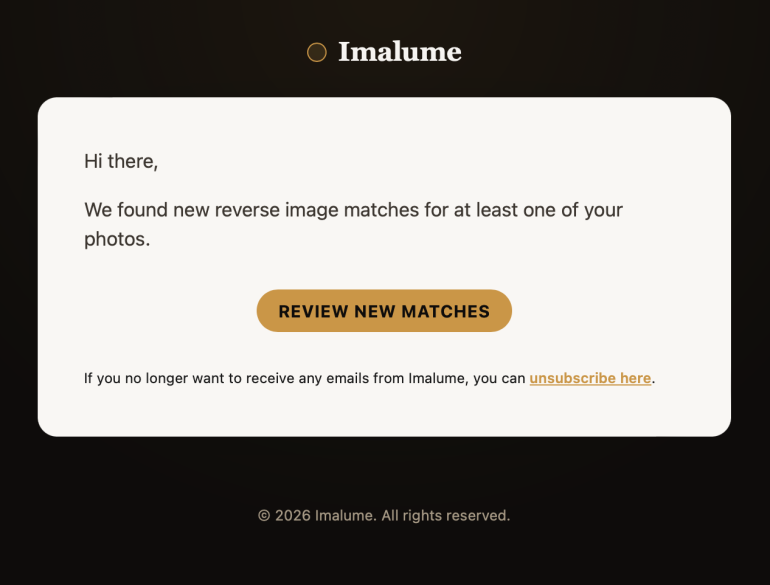
“Impossible,” I thought to myself. There’s no way this could have come back with search results in such a small span of time. I was instantly proven wrong – on at least half of the images I had uploaded, there were valid search results showing my image being present on several websites.
It’s helped him recover over USD $7000 so far and he’s decided to open up the platform to other photographers to use.
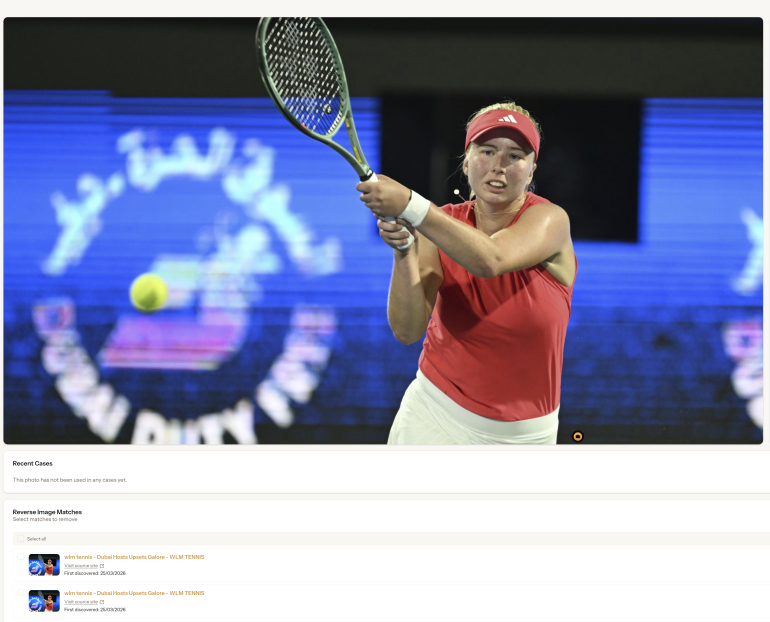
Now, the reason I had chosen images that I know were sold genuinely, was to track how effective the Imalume search tool was. And for the most part, I have to say that this website works well, and has a lot of potential for commercial photographers. During my first round of testing I also found something that I realized photographers would want changed. Many of the search results were (correctly) showing links to my news stock image website, as well as my own personal website.
Exclusion List
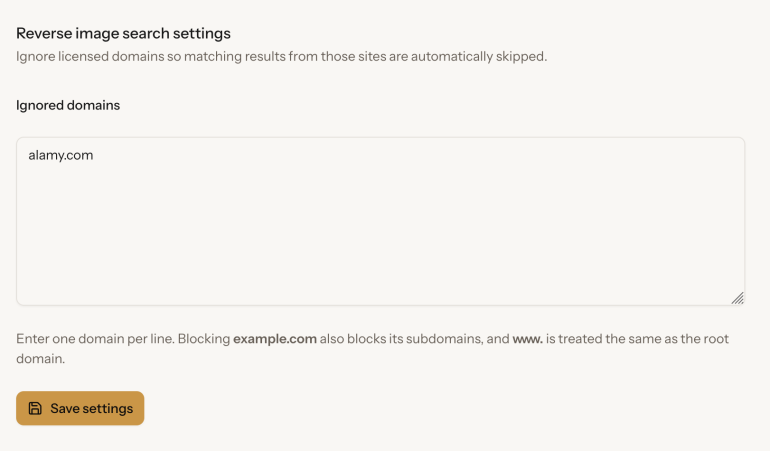
Now, while there is a “Remove” option for such results on the individual photo page, I didn’t see any option to create an exclude list where I could ask the algorithm to not parse certain sites. I reached out to JT via Reddit to ask him if he could do this, and within less than half an hour, he had coded the same to the site. Now, I can get back results that don’t have my website or my news agency website, meaning I have more accurate matches for the images I upload to Imalume.
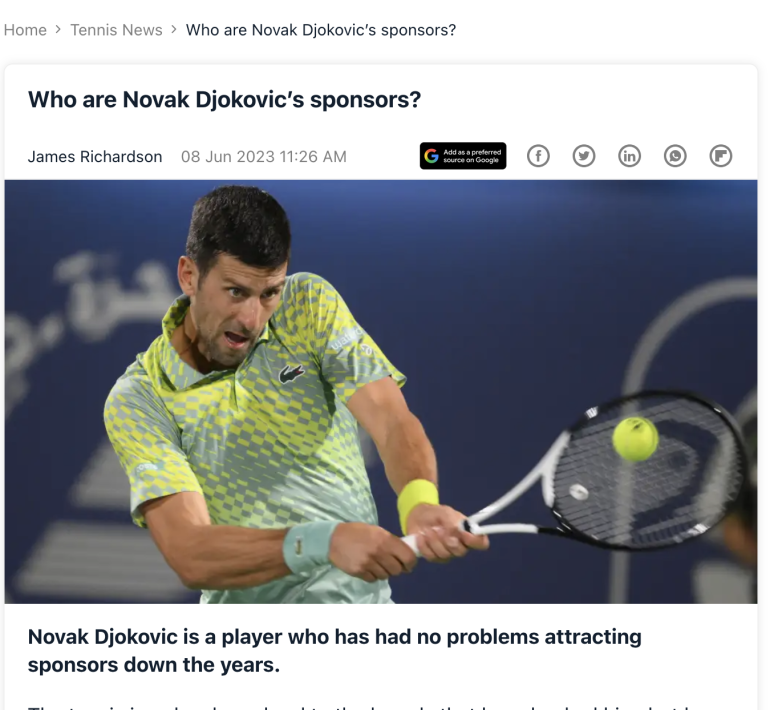
There were some instances where a lot of the search results weren’t accurate. For example the above image of mine was found to have been used on tennis365 (licensed properly), but it also gave me a lot more search results seen below.
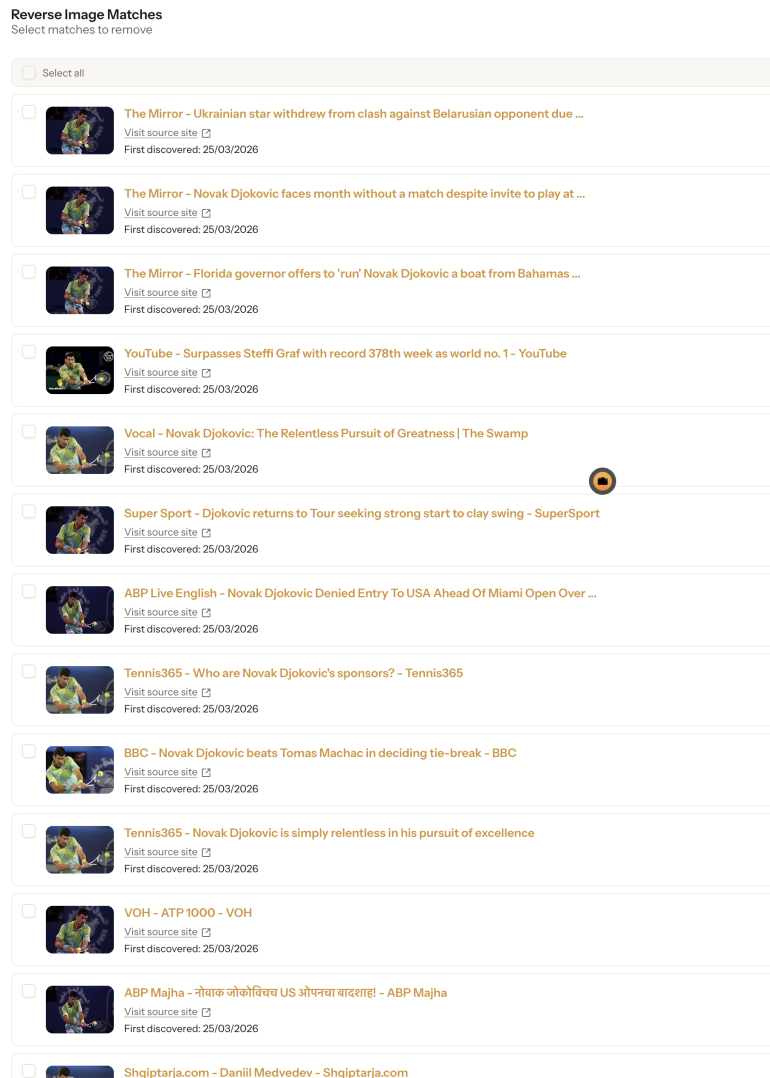
Right away you could tell that many of these images are only similar shots of Novak Djokovic playing a backhand at the same tournament in Dubai, probably even in the same game, and were shot by other photographers. I’m hoping that in upcoming changes to the site, there can be a match percentage tool where you can filter results based on the match to the original image. This is important as having exact matches alone can’t help you find usage breaches, since someone could take an image of yours and slightly modify it before using it. Having a 100% match system would then mean that such unauthorized usages won’t be detected. So I’m fine with the multiple results now, but I would like a match ratio slider feature some day.
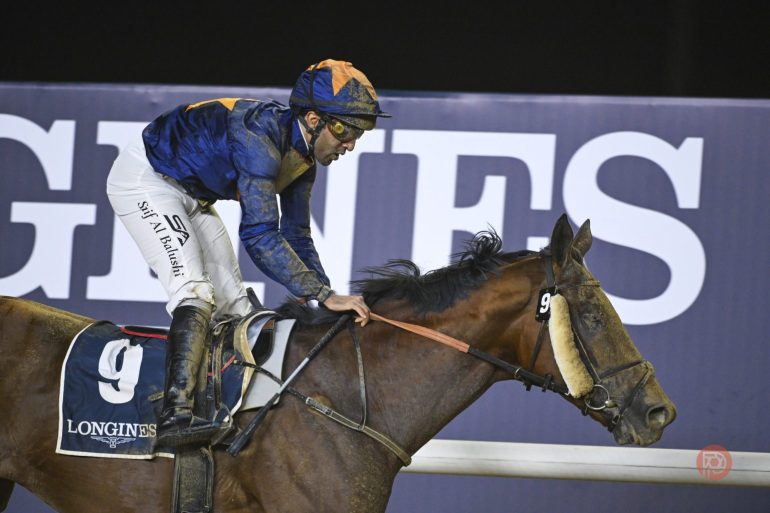
Just for kicks, I decided to upload a photo that I recently used for an article on our site. This wasn’t an image on my news stock portfolio, so I wanted to see where it could be located.
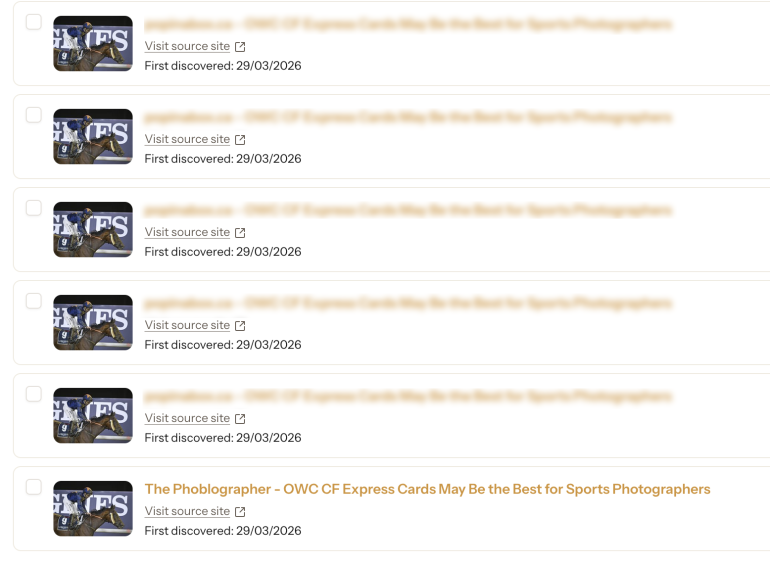
In under a minute I saw search results pop up. Sure enough, the image was shown as used on The Phoblographer, but there were also 5 other matches on another website in Canada. Once I’m done with this piece, they’re going to get an unauthorized usage email. These emails can be customized using templates.
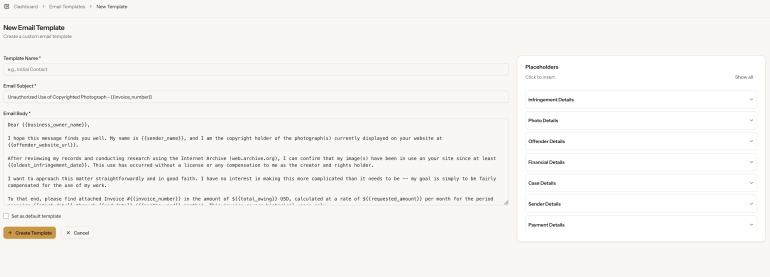
It’s not perfect, but it’s on track to being a great site. Quite a number of my images still don’t have a search result in there and I’m certain they have been sold for usage. This could be because Imalume still hasn’t found them, but I wonder how often an image is being searched for unauthorized usage. When I asked JT if there was a way to request for a search again, he coded in a free monthly re-search option per image.
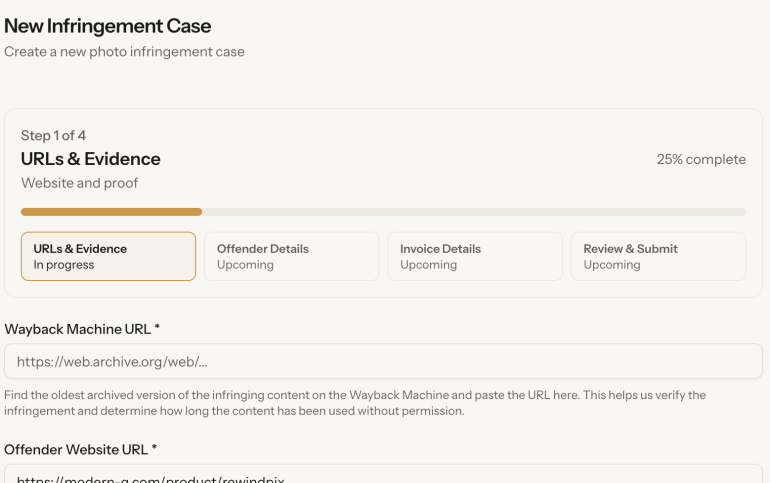
As of now, the site is free for use. You can sign up and upload 25 of your images to it for free, and it allows for an unlimited number of infringement cases handled on your behalf for those photos. When filing a case based on an image discovery, Imalume asks you to check the Internet Archive Wayback Machine for documented evidence of the earliest usage of your photo on that site. This is because offenders can take down your image off their site or delete the page it was on, to try and protect themselves. Having it documented on the Wayback Machine site is good evidence in your favor.
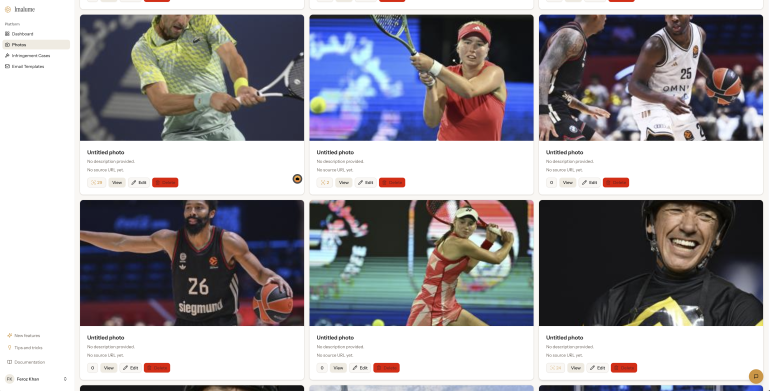
Three Subscription Tiers
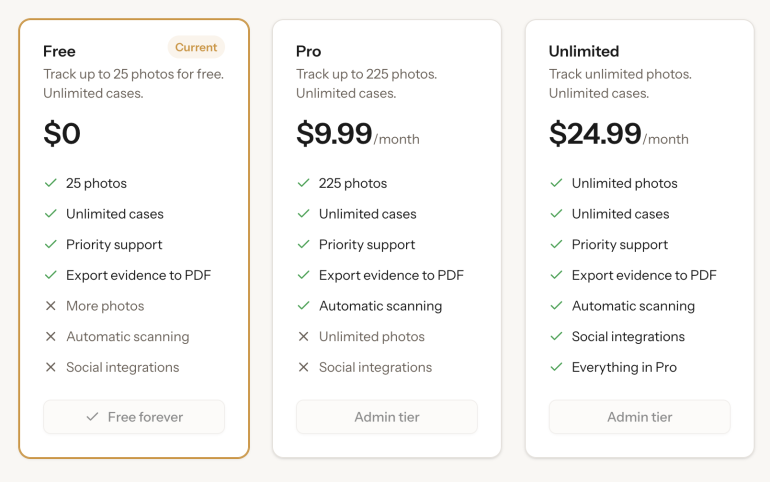
As of now, you can upload 25 images for free that can be tracked for usage. Paid subscription tiers are also available for USD $9.99 per month (225 photos) and USD $24.99 per month (unlimited photos)
On the whole, I’m really impressed with Imalume. It’s very easy to use, has some really quick response time for search results, and has a nice claim process. Websites like this are what happens when photographers are frustrated with what should be straightforward to do, but often gets complicated in execution. JT has made Imalume for the wider community and I hope it goes from strength to strength in the years to come.
Images seen here are screenshots from my account page on Imalume
Get rid of the ads!
Did you enjoy reading this article as much as we enjoyed writing it? There's a way to support us and our reporting, getting ad-free navigation and more as a bonus. Subscribe to us for less than a coffee per month —just $3.99— or take advantage of our yearly subscription with a hefty discount for only $25.- An ad-free experience
- A free mystery box for Lightroom or Capture One
- All the books in our store
- 20% discount on Capture One
- 30% discount on Imalume Photo Theft Protection
- 20% off Herbs and Kettle Tea Company.