Shooting your black and white portraits in harsh contrasty light may seem like the smart thing to do if you are looking for a darker, higher contrast look – and while this may be true if you are trying to nail the look in camera, the reality is that you actually want to avoid that super harsh, contrasty light if you plan on processing your images after capture.
This article was originally published by La Noir Image, a former publication owned by the Phoblographer that specialized in Black and white photography. It’s from a time way before anyone ever thought that we’d have articles written by AI on the web. The Phoblographer only publishes human-made pieces. And this one is surely one of those pieces.
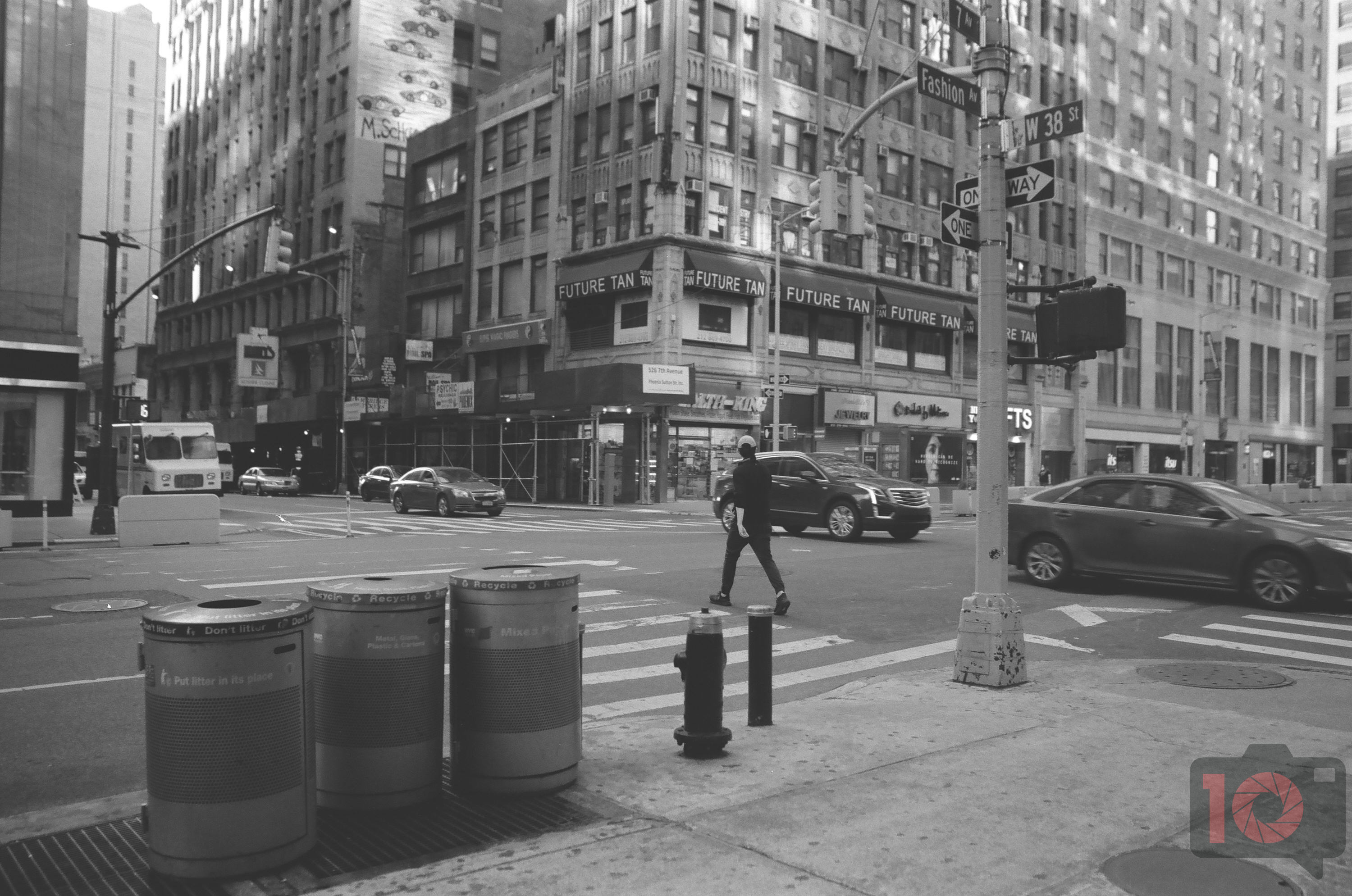
The thinking behind this goes very much along with the line of thought in color photography and shooting video with regards to shooting with a flat picture profile. If you shoot in harsh, incredibly contrasty light, then you will have a whole lot less leeway when it comes time to process your images.
However, if you can wait for some slightly less contrasty light, or introduce some lighting of your own to help even out the exposure in an image this will go a long way towards giving you the latitude that you need in order to process an image exactly how you want it to be done. It is all about giving you options for when you get into processing mode. We can’t tell you how many times we have shot an image with one look in mind but ended up processing it a completely different way because we liked the look better.
This is so important with black and white portraiture because there are often things that you will notice or things that you will run into while post processing that you could have fixed if you shot to capture the most information, rather than shot to capture the desired look.
If you are shooting outdoors, then this can mean shooting earlier or later in the day when the light is lower and softer, and it can also mean shooting on darker, heavier overcast days. Your images will look lower contrast, muted, and dull right out of the camera – but that is what you want.
In the end, if you are set on your look and know it will not change, there is a lot to be said about shooting it as close to that look in camera as you can. But if you feel there is even a chance that you may like to tweak things, our tip is to shoot in lower contrast light.
Get rid of the ads!
Did you enjoy reading this article as much as we enjoyed writing it? There's a way to support us and our reporting, getting ad-free navigation and more as a bonus. Subscribe to us for less than a coffee per month —just $3.99— or take advantage of our yearly subscription with a hefty discount for only $25.- An ad-free experience
- A free mystery box for Lightroom or Capture One
- All the books in our store
- 20% discount on Capture One
- 30% discount on Imalume Photo Theft Protection
- 20% off Herbs and Kettle Tea Company.
- 20% off your order from MPIX printing services.
- 5% off Viltrox Products via their eCommerce store.
- 10% off all film developing, printing and scanning services from Blue Moon Camera and Machine
- 15% off 7Artisans products: The lens and accessory maker is offering a sweet discount for Phoblographer's readers.
- 15% off a VSCO One subscription: Get a bunch of great tools with their all-in-one package.