

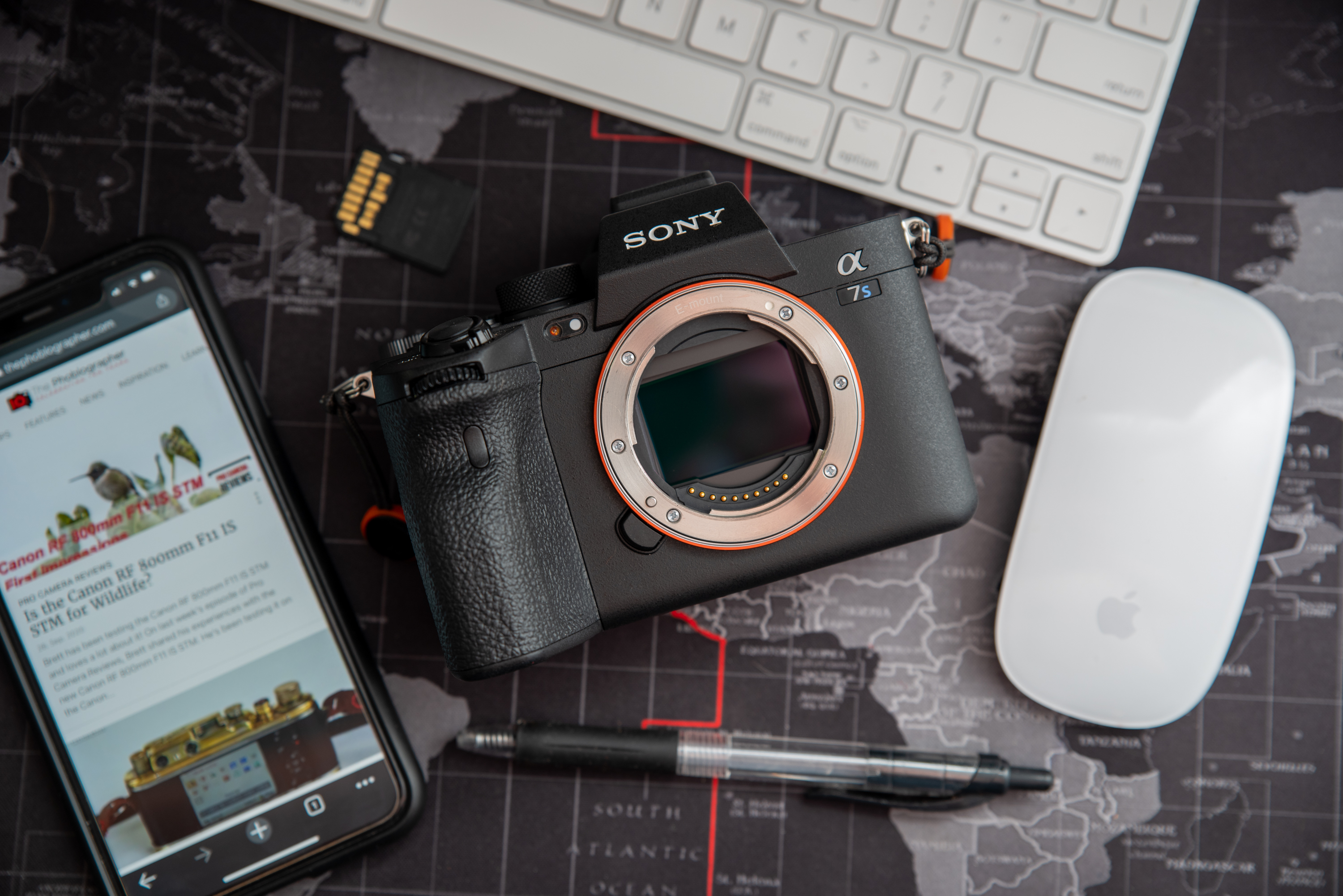
Sony has been one of the companies whose cameras truly affected the industry. Models such as the RX100, the a99, and the A9 III are examples of where Sony tried something new and succeeded. It now appears the company is keen to introduce a new sensor, one that could help low-light photographers and videographers a lot.
How can it help the A7S Series?
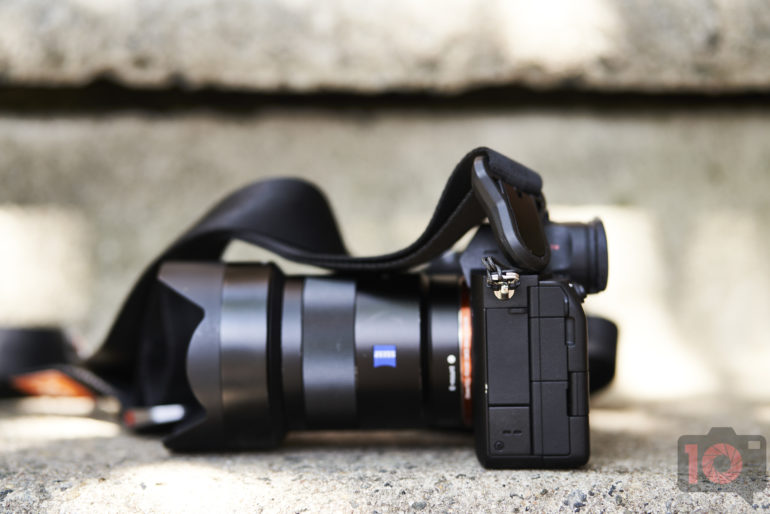
According to Sony Alpha Rumors, the company may be introducing a partially stacked 16MP full frame sensor, which would be a bump over the A7s III’s 12MP sensor — and may probably be featured in the Sony a7s IV when it comes out.
While it does not sound as dramatic as one would think, it certainly means a lot for the following reasons:
- Near 5K readout allowing oversampled 4K footage
- 240fps sensor readout, potentially reducing rolling shutter
- Full-pixel PDAF at 120fps
- DCG-HDR (Dual Conversion Gain HDR) for real-time HDR capture
- Larger 7.2μm pixel size, promising stronger low-light performance
The jump to 16MP can result in 3:2 readout, while helping Active Stabilization crop 4K output. The latter two can be beneficial to those wanting more for video needs.
Why This Matters
The A7s III is one of the best low-light photography cameras the company has ever introduced. As we said in our review, “You can shoot at ISO 6400, 12,800, and 25,600, and have no problems. If you want to go to nuclear numbers, you can do that too.” If this sensor finds its way into the a7S IV, then it can truly modernize Sony’s low-light king without sacrificing its core identity.
The DCG-HDR technology, for instance, can also work at the sensor level in real time. That means:
- No ghosting artifacts
- Improved shadow noise
- Better highlight retention
- HDR in both stills and video
For hybrid shooters, this can improve dynamic range without relying on mechanical shutters or complex frame merging.
However, since the news, people have been divided in the post’s comment section. Some said this move is great, given that one doesn’t need to shoot in 6K or 8K if image quality, rolling shutter control, and low-light performance improve. Others said that oversampling 5K to 4K can improve sharpness from downsampled footage from cameras like the Sony A7 IV.
Others are skeptical.
A vocal group insists that in 2026, a professional video camera must offer at least 6K recording. Critics argue that competitors already provide higher resolution options and fear Sony may be playing it too safe.
The current A7s model has a Quad Bayer design, and some argue that pixel binning reduces detail compared to true downsampling. Others have defended the company and suggested it helps with signal-to-noise performance.
However, in the end, a stacked sensor can help create a hybrid camera with usable sensor performance. The question that remains in a world of resolution numbers: will 16MP be enough to drive sales?
Now here’s the bigger point: Sony already has dedicated E-mount cameras for shooting video. Why don’t those who need more video go use those instead? Leave the Sony a7s series for us photographers, please.
Get rid of the ads!
Did you enjoy reading this article as much as we enjoyed writing it? There's a way to support us and our reporting, getting ad-free navigation and more as a bonus. Subscribe to us for less than a coffee per month —just $3.99— or take advantage of our yearly subscription with a hefty discount for only $25.- An ad-free experience
- A free mystery box for Lightroom or Capture One
- All the books in our store
- 20% discount on Capture One
- 30% discount on Imalume Photo Theft Protection
- 20% off Herbs and Kettle Tea Company.
- 20% off your order from MPIX printing services.
- 5% off Viltrox Products via their eCommerce store.
- 10% off all film developing, printing and scanning services from Blue Moon Camera and Machine