

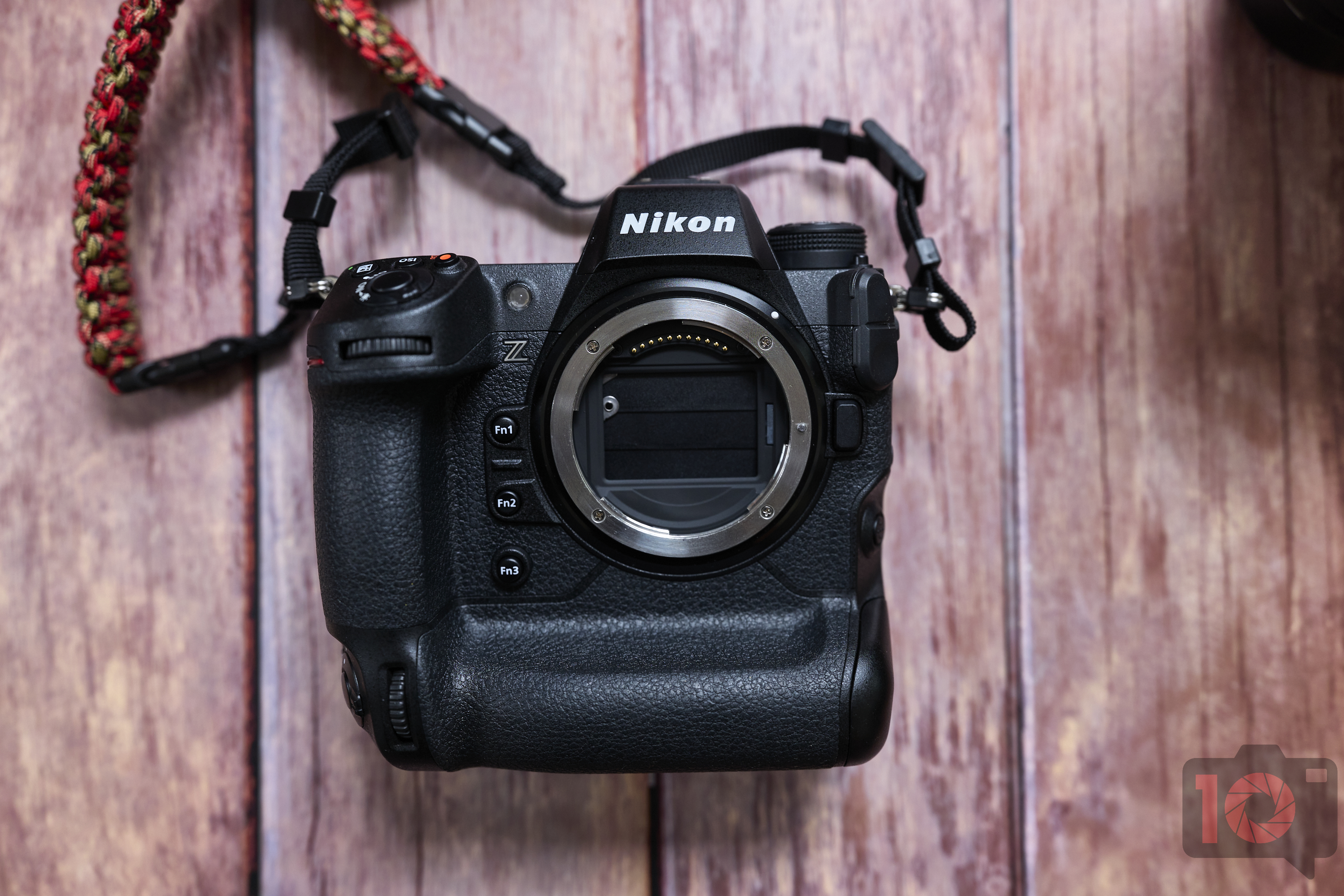
When the Nikon Z9 was launched, it truly changed how people viewed the company. The Z9 was the first professional-grade photo-centric camera without a physical shutter. It was also known for other innovations, such as illuminated buttons, multiple autofocus detection in one camera, and the first camera to feature 3D tracking. While it has been four years since, it appears the Z9 II will take these milestones further.
What Could the Z9 II Offer?
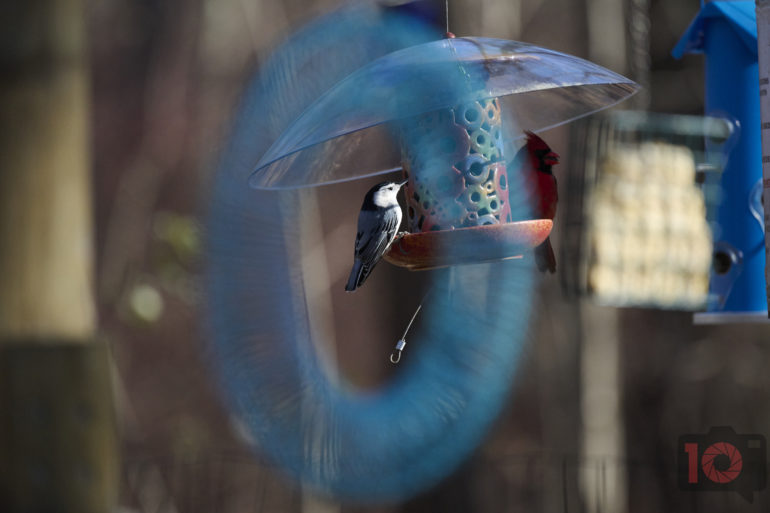
According to Nikon Rumors, the Z9 II will feature significant upgrades, including a faster stacked CMOS sensor. The report states that Nikon will come with a 46MP stacked CMOS sensor, one that can read at up to 3.5x the speed of the Z9. This means one can achieve X-sync speeds up to 1/720s, which is closer to the benefits of global shutter cameras and more similar to something like the Sony a1 II. In Z9 II’s case, it will be possible without an actual global shutter.
In addition, some of the other features said features include:
- A new EXPEED processor for faster processing and better handling of high-speed workflows
- A low native ISO of 32 to get “medium-format-like” image quality in certain conditions
- A completely updated autofocus system with improved tracking performance and accuracy.
- RAW continuous shooting up to 60fps at full resolution and up to 120 fps in cropped mode
- Support for 12-bit R3DNE RAW video up to 8.3K 60p, new film simulation LUTs, and additional RED video features as part of Nikon’s expanded cinema roadmap
- Possibly 5.76 M-dot EVF borrowed from Nikon’s Z6 III
- Content credentials support to provide metadata
On Reddit, some photographers have suggested that features such as pixel-shift multi-shot must make their way into the Z9 II. Others have added that the next EXPEED-generation processor, which will be on the Z9 II, should gradually trickle down to Z8 and Z6 variants.
Why This Matters for Photographers

While it is unclear when this camera will see the light of day, if it turns out to be true, Nikon would have one of the most powerful devices in their lineup. It will be a true hybrid camera, perfect for both videos and stills. For instance, actors nd sports photographers will appreciate the improved continuous shooting and tracking. Wildlife and bird photographers would benefit from fast burst rates for fast-paced shooting. Hybrid shooters will get better LUT support, which means many people can move from Panasonic and consider Nikon for serious video work. At the same time, the low ISO can provide better dynamic range to landscape shooters.
While the camera has a lot of potential, it also faces a few challenges. Tariffs, for instance, will make the camera far more expensive, which is already causing issues for users. If the company can keep the price closer to the original camera (it was $5500 upon launch), many professionals will happily upgrade. Otherwise, they will have to wait until a rebate comes by.
Some expect the camera to launch between 2026 to 2027. This is ideal, since Nikon launched only a few new bodies last year, with claims that the company was trying to slow down production coming to light. This also means they can focus better on the Z9 II by reallocating resources to the development of a newer product. It remains to be seen how things play out, but for now, everyone’s excited to see Nikon achieve new heights.
Get rid of the ads!
Did you enjoy reading this article as much as we enjoyed writing it? There's a way to support us and our reporting, getting ad-free navigation and more as a bonus. Subscribe to us for less than a coffee per month —just $3.99— or take advantage of our yearly subscription with a hefty discount for only $25.- An ad-free experience
- A free mystery box for Lightroom or Capture One
- All the books in our store
- 20% discount on Capture One
- 30% discount on Imalume Photo Theft Protection
- 20% off Herbs and Kettle Tea Company.
- 20% off your order from MPIX printing services.
- 5% off Viltrox Products via their eCommerce store.
- 10% off all film developing, printing and scanning services from Blue Moon Camera and Machine
- 15% off 7Artisans products: The lens and accessory maker is offering a sweet discount for Phoblographer's readers.
- 15% off a VSCO One subscription: Get a bunch of great tools with their all-in-one package.