

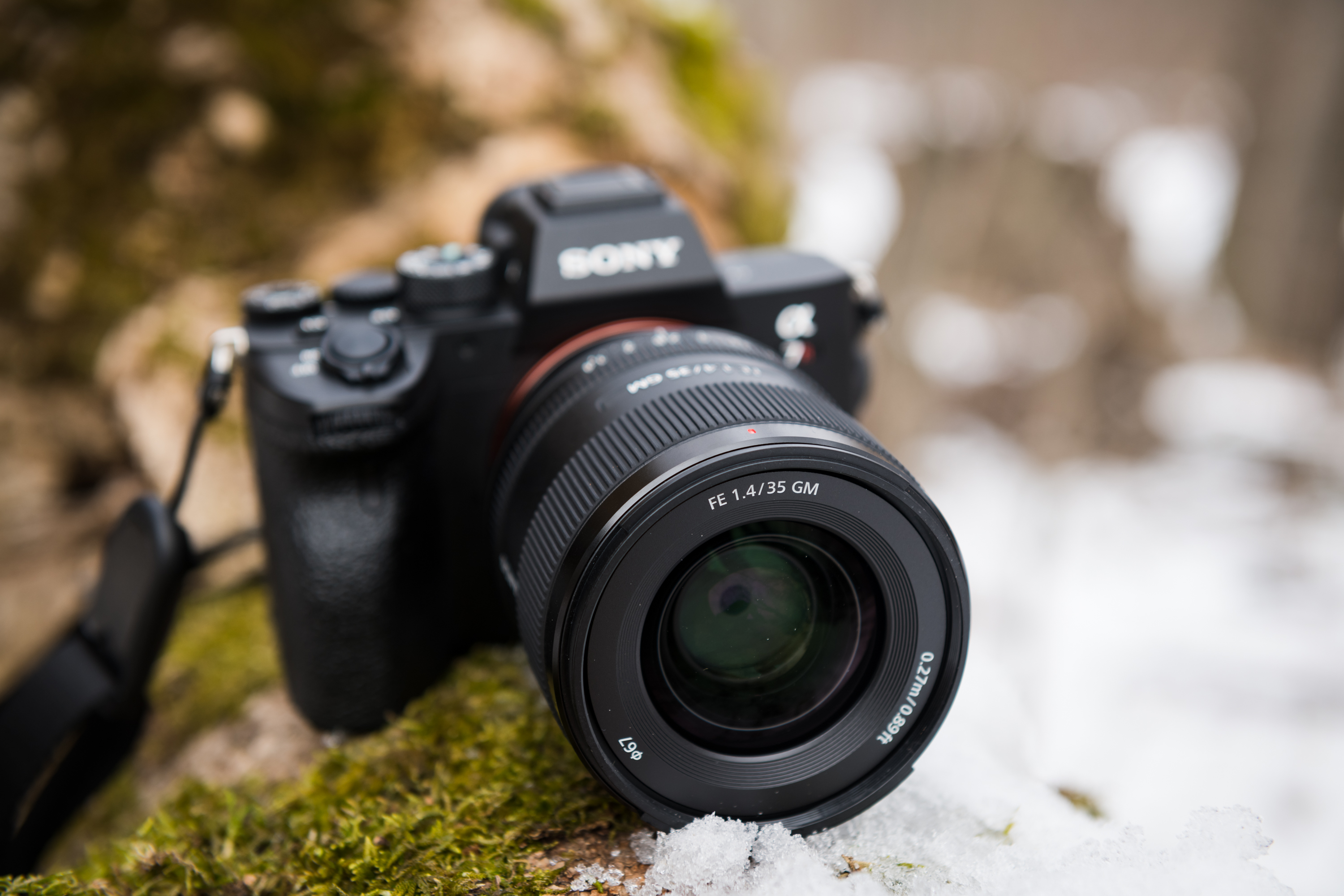
The Sony a7 V is a camera equipped with a 33MP sensor, and it is touted as the best option for entry-level photographers. While there are various lenses one can opt for, there are two primes that are the best for those who want brighter apertures and lighter weight. If you are someone who has just purchased the device or is considering buying one, these prime lenses will be of help. Have a look.
Sony 35mm f1.4 GM
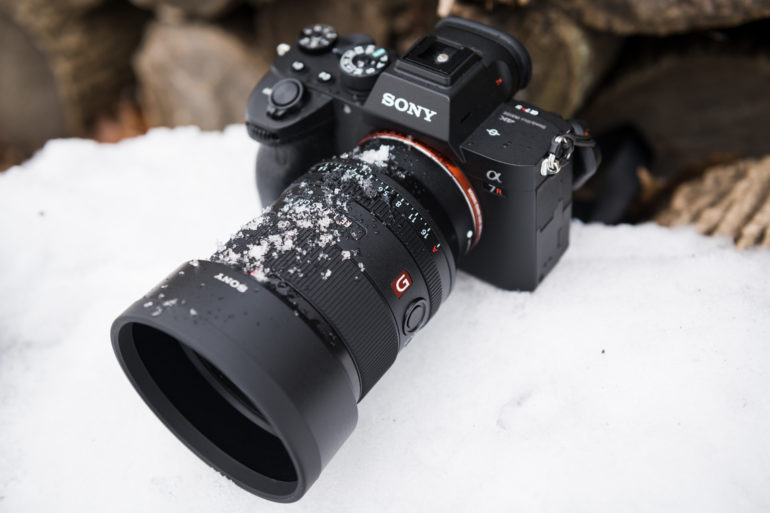
Why is it so great? The autofocus is surprisingly fast, and it can focus on a dark corner of a closet relatively quickly. You will also see a low miss rate for portraits of people and animals. The focus is also quiet, which makes it ideal for hybrid use. The bokeh is creamy, and the image exhibits excellent color and sharpness. The distortions are also well-controlled, overall. The results are ideal for anyone looking to work with the Sony a7 V.
Who is it for? This lens is best suited for portraits in tight spaces, dimly lit indoors, street photography, and landscapes.
What makes it unique? The lens features 14 elements in 10 groups, including 2 XA elements and 1 ED element. The camera also features 11 aperture blades, a minimum focus distance of 0.27 meters, and is impressively light for an f1.4 lens. The rings are smooth, and there are plenty of buttons for customisation. Overall, the lens feels pretty great in your hand.
In our review, we said:
The Sony FE 35mm f1.4 GM is a joy to use, and the photos a joy to look at. I found little to complain about.





Sony 50mm f1.4 G Master
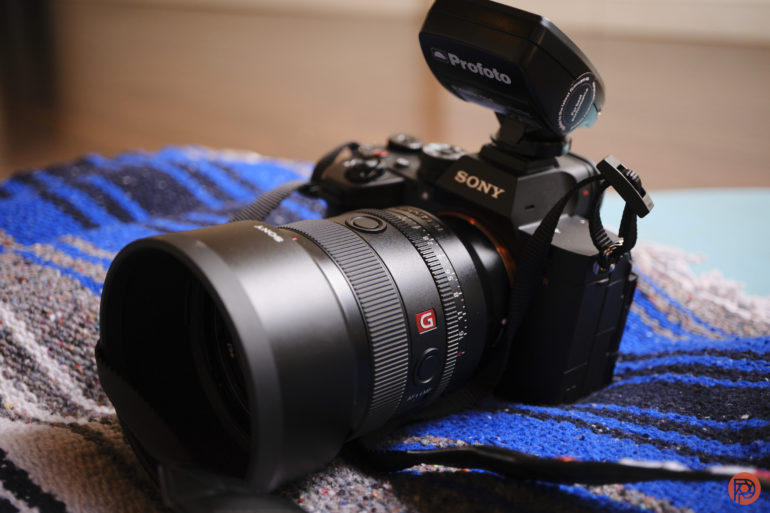
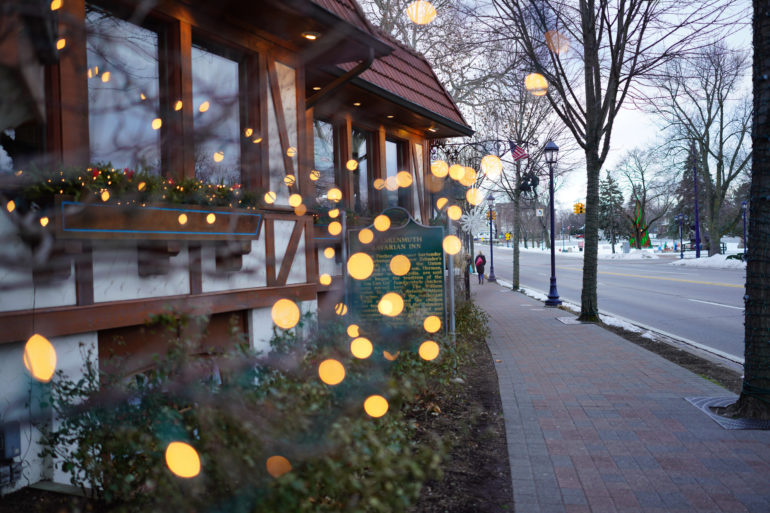
Why is it so great? The lens produces softer results, reminding one of Zeiss and Leica rendering. It also offers beautiful bokeh, nice colors, and a bit of character. However, if you are a studio photographer who wants sharpness, you will also get that. The colors are a bit muted, but you can always increase the saturation if needed. The lens is incredibly fast in good light. So, if you pair this with the Sony a7 V, then you will get the best results in well-lit environments.
Who is it for? Anyone interested in portrait photography, weddings, events, or people photography will like this lens.
What makes it unique? The lens features 11 aperture blades, a de-click aperture ring, internal focusing, and a minimum focusing distance of 15 inches. You also get some lens character, and it is much smaller and lighter than Panasonic’s 50mm f1.4 Lumix S Pro. It feels right in your hand, is weather sealed, and is very easy to use.
In our review, we said:
When you’re looking at the photos as a whole, the Sony 50mm f1.4 G Master and the Sony 55mm f1.8 look pretty much exactly the same. And so, photographers that want to walk the line between the classic 55mm and the 50mm f1.2 might want to reach for this.







Get rid of the ads!
Did you enjoy reading this article as much as we enjoyed writing it? There's a way to support us and our reporting, getting ad-free navigation and more as a bonus. Subscribe to us for less than a coffee per month —just $3.99— or take advantage of our yearly subscription with a hefty discount for only $25.- An ad-free experience
- A free mystery box for Lightroom or Capture One
- All the books in our store
- 20% discount on Capture One
- 30% discount on Imalume Photo Theft Protection
- 20% off Herbs and Kettle Tea Company.
- 20% off your order from MPIX printing services.
- 5% off Viltrox Products via their eCommerce store.
- 10% off all film developing, printing and scanning services from Blue Moon Camera and Machine
- 15% off 7Artisans products: The lens and accessory maker is offering a sweet discount for Phoblographer's readers.