

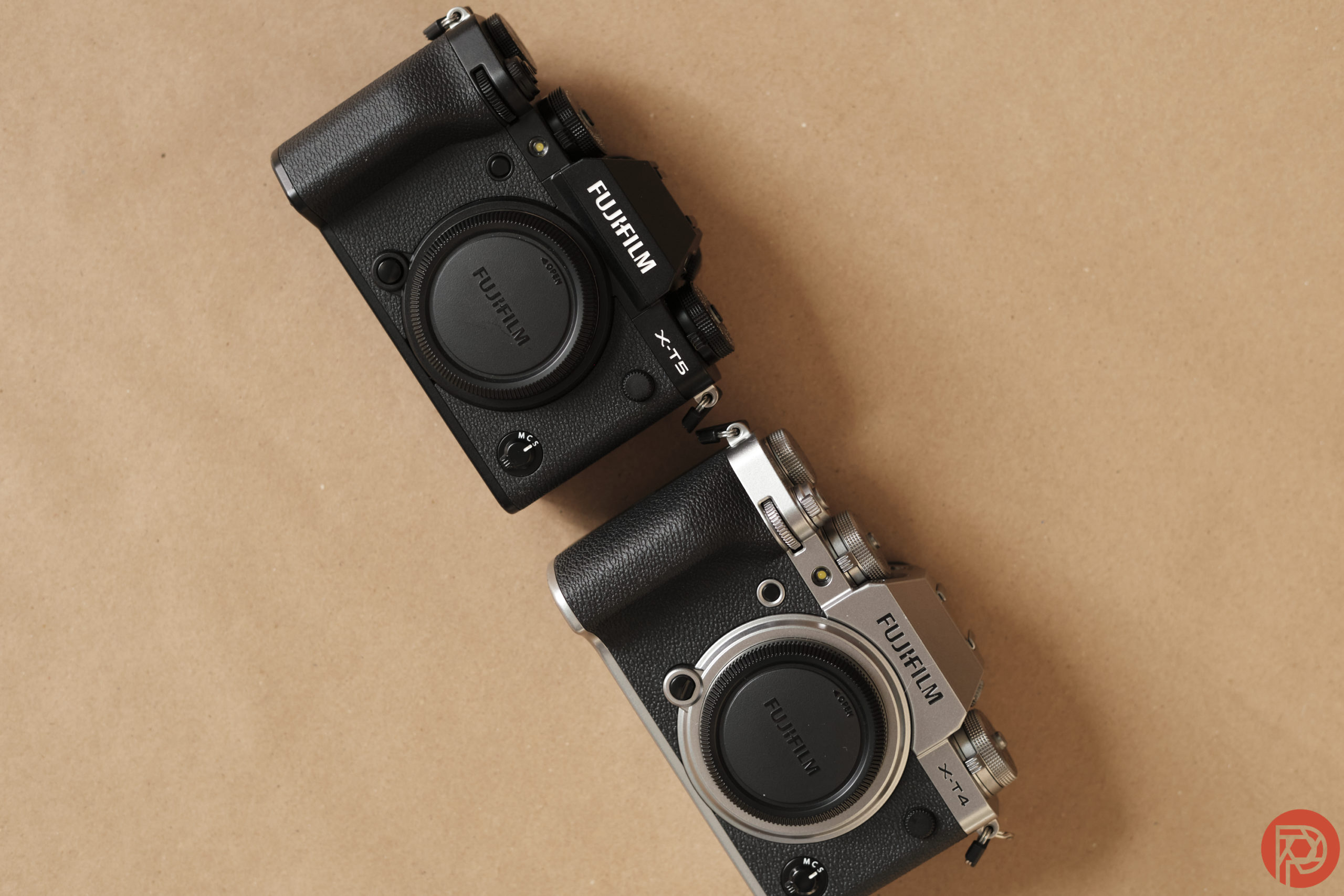
Fujifilm camera sensors are pretty great. The company has introduced several exciting models, including the X-Pro 3, the X-T5, and the GFX 100S II. However, the company’s future remains unclear, and with Sony launching its Dual Gain Output (DGO) sensor, the question arises whether this technology can benefit Fujifilm cameras. Here is a look at what it could mean.
Dual Conversion Gain (DCG)
According to Fujifilm Rumors, the company has relied on the DCG with APS-C models and the GFX100 II. In other words, it helps to work on two different modes:

- Low conversion gain at low ISOs
- High conversion gain at higher ISOs, where read noise is reduced
The switch can help with the dynamic range rise at a certain ISO. For instance, at ISO 400, you get 10.49 stops of dynamic range. Similarly, at ISO 640, one gets 10.62 stops. The jump changes post ISO 500, which is where photographers usually work.
Dual Gain Output (DGO)
So, how does DGO change this? The new sensor reads pixels twice at the same time, which results in the following:
- Once at low conversion gain
- Once at high conversion gain
- Then merges both signals into a single RAW output
The readout speed improves the dynamic range, but only at low ISO. This is why cameras such as the Panasonic S1 II and the Sony a7 V have a better dynamic range at ISO 100-320. However, it may result in some hidden RAW noise reduction. The sensor also delivers a 1-stop dynamic range advantage at base ISO, which is significant.
However, there is a catch. The DGO is limited, and that’s where Fujifilm users must be concerned. An ISO value above 400 does not offer many advantages. By ISO 500, cameras using traditional DCG—like the GFX100 II—already pull ahead. Therefore, if we are considering mid-to-high ISO ranges, the older sensors prevail. Moreover, the sensor does not support an electronic shutter.
Why This Matters for Fujifilm Users
While these limitations are concerning, Fujifilm users have the opportunity to gain something better. That’s because Fujifilm’s flagship APS-C cameras have 15fps of burst rate with a mechanical shutter. The future X-H and X-T series can gett a better dynamic range boost at base ISO, without electronic shutter challenges.
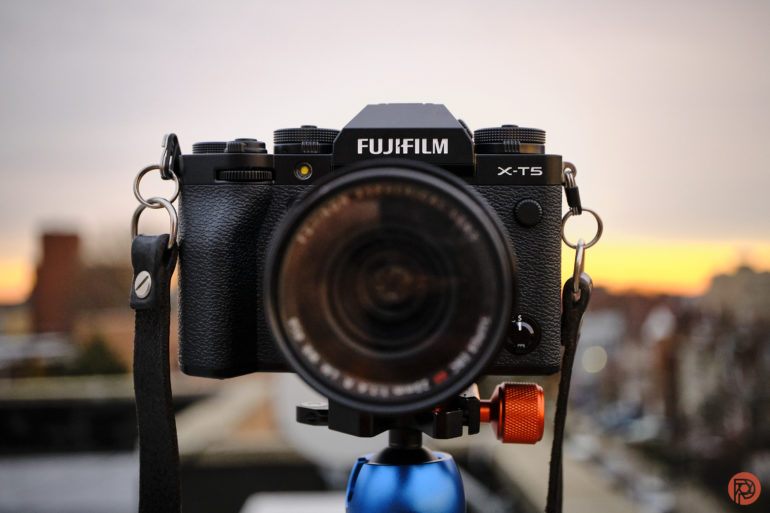
As for GFX, the cameras rarely offer high-speed burst rates, given that they feature a large sensor. They also rely on a mechanical shutter, and they operate at base ISO and utilize a wide dynamic range. At ISO 100, a GFX camera can get a 1-stop DR boost. This will help to push the pixel count while maintaining dynamic range. As a result, the DGO is a perfect match for the GFX series.
While the DGC is safe and consistent for electronic shutter users, the DGO is better suited for those who prefer a base ISO for their images. And so, if the latter can coexist with Fujifilm cameras, it can lead to exciting new advances for Fujifilm users. With Sony and Panasonic heading towards DGO, it can be a part of our future. So, the question now prevails: ‘How will they achieve it?’
- Keep mechanical shutter performance strong
- Preserve DR200/400 flexibility
- Avoid electronic shutter penalties
It remains to be seen how this will pan out. But for now, it is safe to say that Fujifilm is heading for a better future.
Get rid of the ads!
Did you enjoy reading this article as much as we enjoyed writing it? There's a way to support us and our reporting, getting ad-free navigation and more as a bonus. Subscribe to us for less than a coffee per month —just $3.99— or take advantage of our yearly subscription with a hefty discount for only $25.- An ad-free experience
- A free mystery box for Lightroom or Capture One
- All the books in our store
- 20% discount on Capture One
- 30% discount on Imalume Photo Theft Protection
- 20% off Herbs and Kettle Tea Company.
- 20% off your order from MPIX printing services.
- 5% off Viltrox Products via their eCommerce store.
- 10% off all film developing, printing and scanning services from Blue Moon Camera and Machine
- 15% off 7Artisans products: The lens and accessory maker is offering a sweet discount for Phoblographer's readers.
- 15% off a VSCO One subscription: Get a bunch of great tools with their all-in-one package.