


Old lenses are quite useful even on newer cameras. One of the reasons that they continue to be quite promising is that they offer value and image quality. For those beginning photography or who are very serious, these lenses hold a lot of promise for your immediate needs. Some lenses can be quite expensive, so you can select the ones that work best for you. So, what are you waiting for? Let’s dig in.
Nikon 24mm f1.4 G ED N
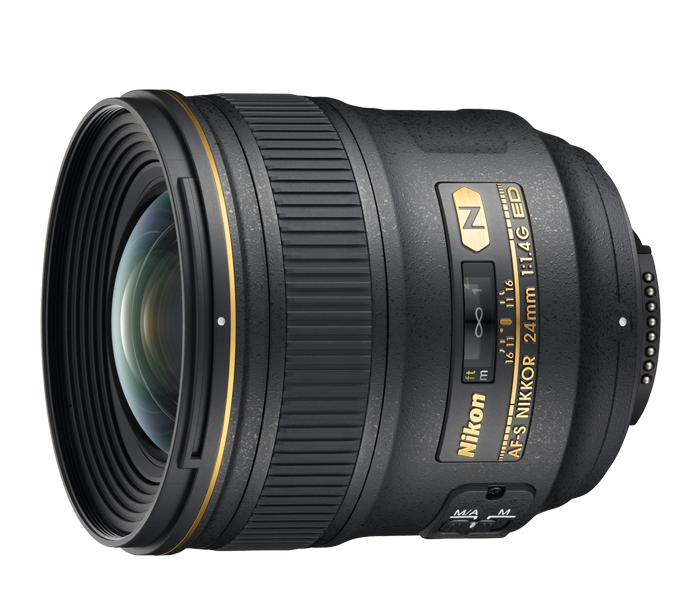
Nikon’s DSLR series boasts an impressive array of lenses in its portfolio. The 24mm f1.4 is no different. The lens is designed using 12 elements in 10 groups (including 2 ED glass elements and 2 aspherical elements), and comes with 9 round-bladed apertures. The lens is compatible with both full-frame and APS-C bodies, has a minimum focusing distance of 0.25m, and a reproduction ratio of 0.18x. The lens is best used for landscapes, but you can also have a lot of fun if you are working with portraits. The narrow depth of field is fascinating, and one can create nice images overall. As for low light, you can take good photos, too. The lens will be best for anyone who knows what they want.
Nikon 85mm f1.8 G
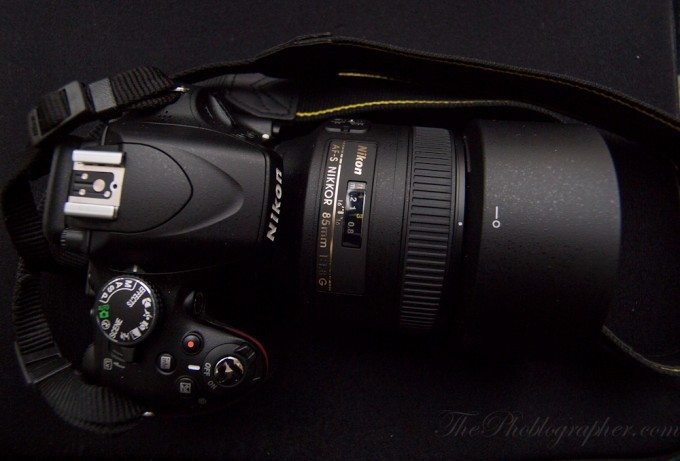
Nikon 85mm f1.8 G is another exceptional lens that offers a perfect blend of build and quality. Designed with 9 elements in 9 groups, has a close focusing distance of 0.8m and a magnification of 0.12x. It is not a large lens per se, but it has texture, is easy to hold, and is sturdy enough to withstand challenging environments. The focus is another great point, and it can focus with ease, and it is also a quite lens. The colors are to die for, and the bokeh is worth singing praises. As we said, “If you’re a street photographer or a street fashion blogger that works with lots of ambient and available light, the 85mm f1.8 is an extremely attractive option for the reason that it soaks up so much light.”
Zeiss Makro-Planar T* 100mm f2 ZF.2
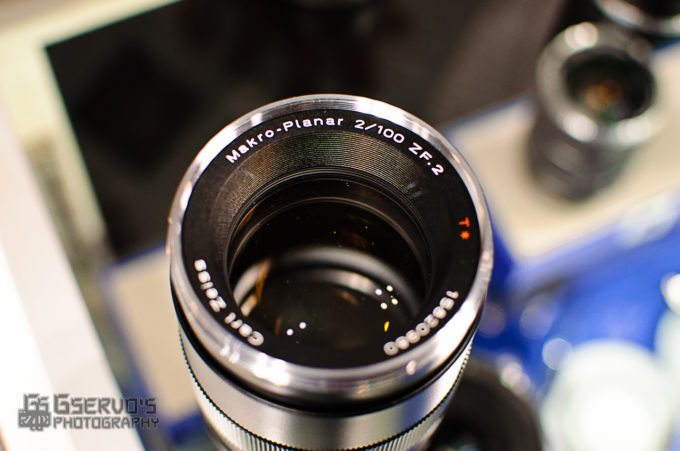
The Zeiss Makro-Planar T* 100mm f2 ZF.2 is quite different from other lenses in this range. The device has been designed with 9 elements in 8 groups, has a close range of 1:2, and weighs only 680g. The focus ring is versatile and smooth, and you also get a field scale that is easy to read. A manual focus lens, it is easy to work with, thanks to the smooth focusing ring. The colors are rendered well, and the lens can bring out the details pretty well. The bokeh is great, but the only issue was purple fringing when you zoom in at 100%. It is a perfect lens for macro and still life photographers who prefer details.
Sigma 150mm f2.8 EX DG OS HSM Macro
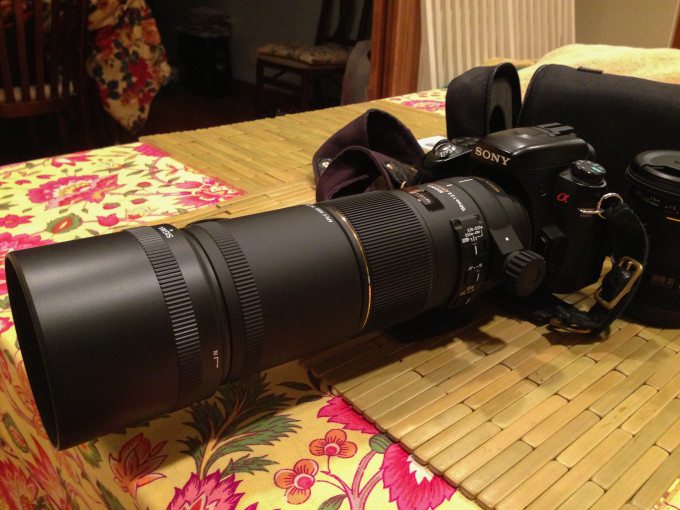
Sigma 150mm f2.8 EX DG OS HSM Macro is a hefty lens, but it is great for portraits, streets, events, sports, and wildlife. It features 19 levers in 13 groups, a minimum distance of 15 inches, and a magnification ratio of 1:1. On top, you have a scale, and on the side, you have buttons to customize it to your specific needs. There is internal focusing, and it is a quiet lens. As for the autofocus, it is quick and works in varying situations. It is also a sharp lens, offers vivid colors and the bokeh is smooth. As we said in our test, “For photojournalists on assignment who, for whatever reason, cannot get as close as they’d like, this lens would be one of their best, most accurate companions.”
Canon 300mm F2.8 L IS USM II
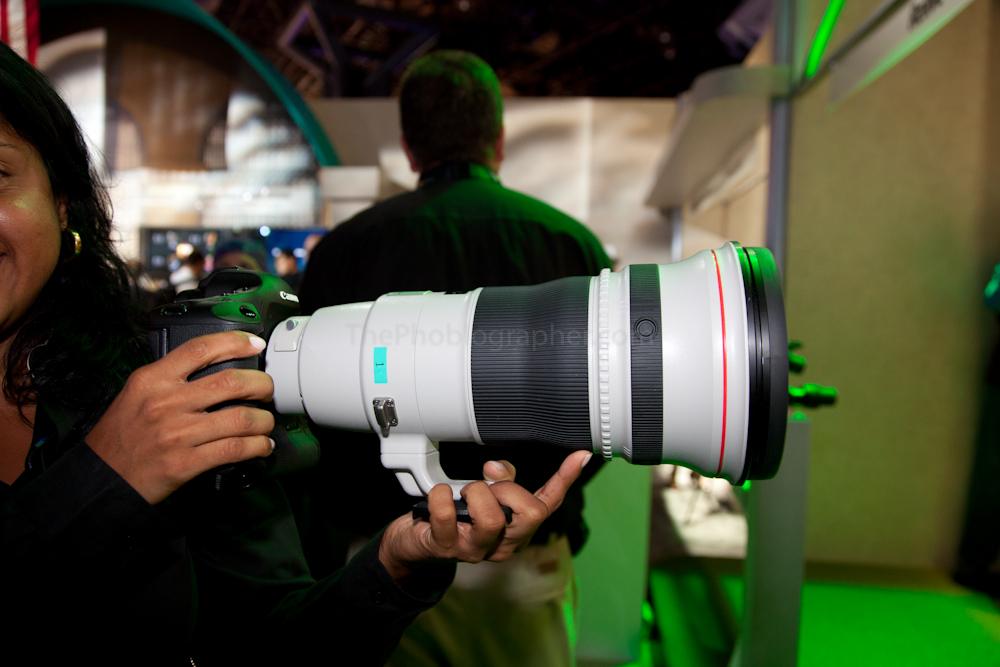
The Canon 300mm f2.8 L IS USM II is a prime lens designed for sports and wildlife photographers. The lens is huge, thanks to 16 elements in 12 groups. There is also 9 rounded aperture blades, a minimum focusing distance of 2m, and 4 stops of image stabilization. While we have not tested the lens thoroughly, we had the chance to spend some time with it. Our findings include that the ergonomics are great, it is easy to carry around, and it can deliver sharp and contrasty images. “The rendition of deep blues, reds, and yellows must really be noted here,” we said. The autofocus is also good and quiet, which makes it ideal for several situations.
Get rid of the ads!
Did you enjoy reading this article as much as we enjoyed writing it? There's a way to support us and our reporting, getting ad-free navigation and more as a bonus. Subscribe to us for less than a coffee per month —just $3.99— or take advantage of our yearly subscription with a hefty discount for only $25.- An ad-free experience
- A free mystery box for Lightroom or Capture One
- All the books in our store
- 20% discount on Capture One
- 30% discount on Imalume Photo Theft Protection
- 20% off Herbs and Kettle Tea Company.
- 20% off your order from MPIX printing services.
- 5% off Viltrox Products via their eCommerce store.
- 10% off all film developing, printing and scanning services from Blue Moon Camera and Machine
- 15% off 7Artisans products: The lens and accessory maker is offering a sweet discount for Phoblographer's readers.