


Fujifilm has some exciting APS-C cameras. The company has announced models such as the X-T5, X-Pro 3, and the recently introduced X-E5, all of which feature sensors with resolutions below 45MP. However, a new report suggests that the company may be working on a higher-resolution camera, specifically 80MP, for the upcoming X models. Here is a look at what it is and what it could be.
According to Fujifilm Rumors, there have been rumors that the company is developing an 80MP APS-C sensor for the X-T6, XH-3, and X-Pro4. While nothing has been officially announced, the reports have been dismissed by the publication.
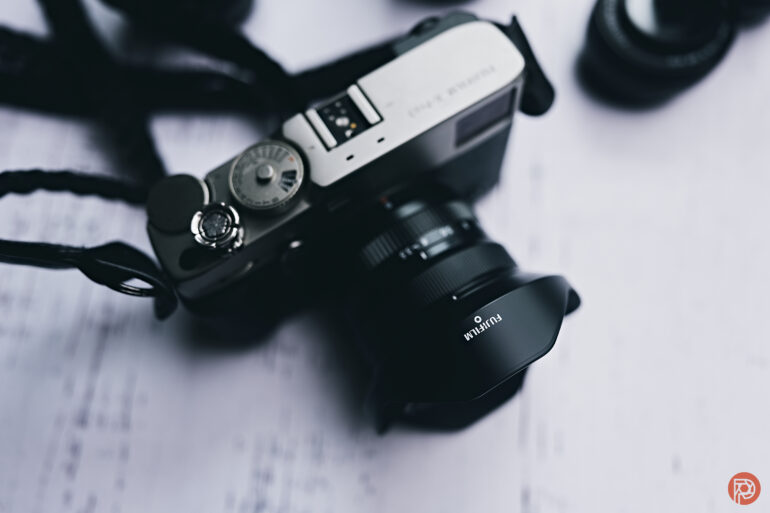
This comes because the Chinese website, Weibo, where a user named E8M has posted about this. The idea states Fujifilm can combine Super CCD EXR technology, along with the X-Trans sensor, which can rotate pixels by 45 degrees. The design, although theoretical, can help achieve double the resolution, sensitivity, and dynamic range. Thus, turning a 40MP sensor into an 80MP sensor.
The company states that the concept was never confirmed leak or an insider report. It began as speculation, which was later picked up by blogs and YouTube channels and presented as fact. Since there is no credible information, it is clear that Fujifilm is not working on it. In other words, this may never come out, especially since there are no patents.
Why 80MP is a Long Shot
The highest megapixels in 40MP in APS-C sensors, with Fujifilm already being at the top of the game. If the company intends to increase the resolution, it will come at a higher cost. What Fujifilm can do, in fact, is offer better readout speed with newer cameras. Light sensitivity is something that the company can certainly work on. However, 40MP can lead to slower autofocus in many cases and may also be a bit of a stretch for some users.
What they can, however, do is offer three different resolutions. For instance, Leica M11P. It can be helpful for people to switch between resolutions with professional cameras, which not only allows them to shoot as they want but also, when combined with film filters, enables them to achieve their desired images with ease.
The company has not mentioned models like the X Pro 4, but many photographers are losing hope. Since smaller cameras are now important, it would be great to have sensors with fewer megapixels, as this can help you achieve a better skin texture and appearance. Additionally, it doesn’t compromise the device’s speed.
Fujifilm is likely to launch something by next year. However, we have listed the kind of cameras we expect to launch by then. As more devices become hybrid, Fujifilm will also cater to their needs. We hope that the next series of cameras will also benefit photographers. Just like the GFX100RF. Until then, let’s see how it goes.
Get rid of the ads!
Did you enjoy reading this article as much as we enjoyed writing it? There's a way to support us and our reporting, getting ad-free navigation and more as a bonus. Subscribe to us for less than a coffee per month —just $3.99— or take advantage of our yearly subscription with a hefty discount for only $25.- An ad-free experience
- A free mystery box for Lightroom or Capture One
- All the books in our store
- 20% discount on Capture One
- 30% discount on Imalume Photo Theft Protection
- 20% off Herbs and Kettle Tea Company.
- 20% off your order from MPIX printing services.
- 5% off Viltrox Products via their eCommerce store.
- 10% off all film developing, printing and scanning services from Blue Moon Camera and Machine
- 15% off 7Artisans products: The lens and accessory maker is offering a sweet discount for Phoblographer's readers.