

The last decade has seen the launch of some unique cameras, many of which are still popular today. In a time when tariffs are making life challenging for photographers, we have decided to look at some of the most unique offerings from the past decade, which can help you fill in the price gap. These cameras may appear old, but they are quite great even today. Plus, they will cost you far less than any other camera launched in a while. Here is the list.
Samsung NX1
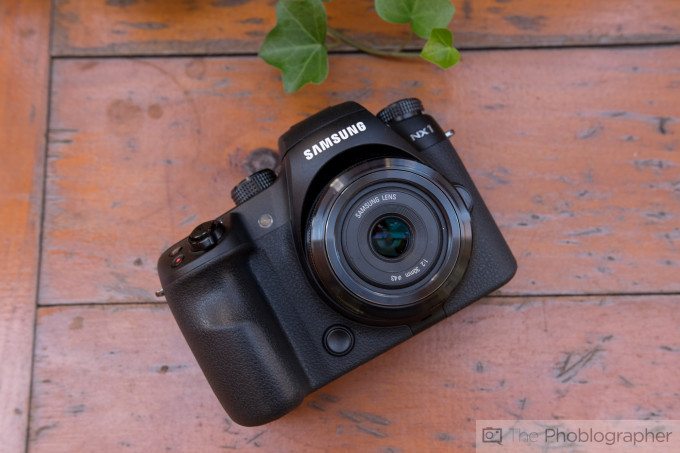
The Samsung camera features a 28.2MP BSI APS-C CMOS sensor, a DRIMe V image signal processor, 205 AF points, and a burst rate of 15fps with AF. The device can capture 4K/24p videos, has a 1036k-dot tilt screen, and has a 2360k-dot hybrid OLED EVF. The camera excels at ergonomics, creates large RAW files, offers excellent colors and JPEGs, and has a big viewfinder. For this reason, it won our Editor’s Choice Award. In fact, we said in our review, “The NX1, however, is one of those cameras that can stand very close to a full-frame camera that can perform just as well, if not better in some cases.”
Leica Q
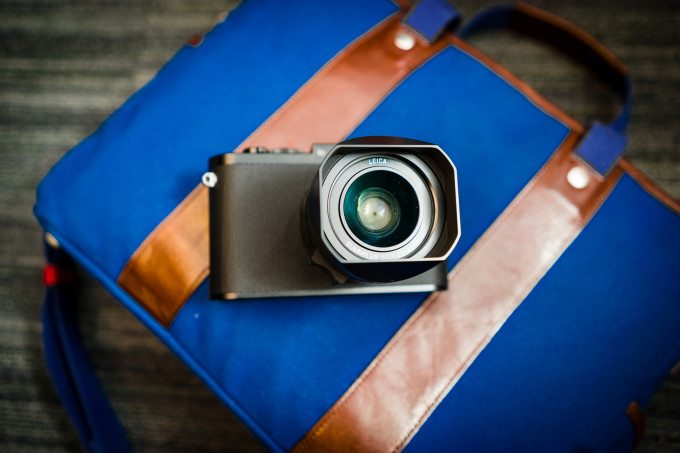
The Leica Q is a full-frame compact camera with a 28mm f1.7 lens and a macro mode. The device features a 24MP sensor, RAW DNG, a 3MP EVF, ISO up to 50,000, and a leaf shutter. The camera is good at build quality, has a high, detailed EVF, and produces beautiful image quality. The autofocus capability is great, the macro capabilities are great, and RAW files up to 6400 ISO are versatile. If you are someone who wants a small camera that can do it all, buy this.
Fujifilm X-T10
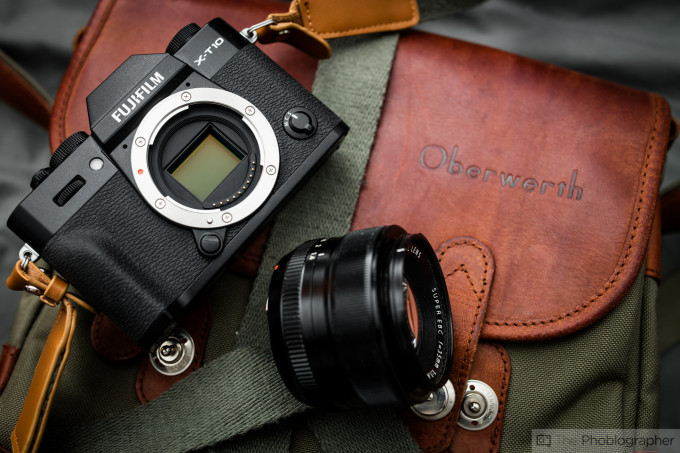
The Fujifilm X-T10 borrows a lot from the X-T1. The camera features a 16.3MP APS-C X-Trans CMOS II sensor, an EXR II processor, full HD 1080p video recording, and up to 8fps of burst mode. The device has ISO up to 51,200, 77AF point, multiple film simulation modes, a pop-up flash, and a 2,360k-dot LCD monitor. The camera offers excellent image quality, the highlight detail recovery is incredible, and the shadow detail recovery is better than Sony. In addition, you get the best battery life.
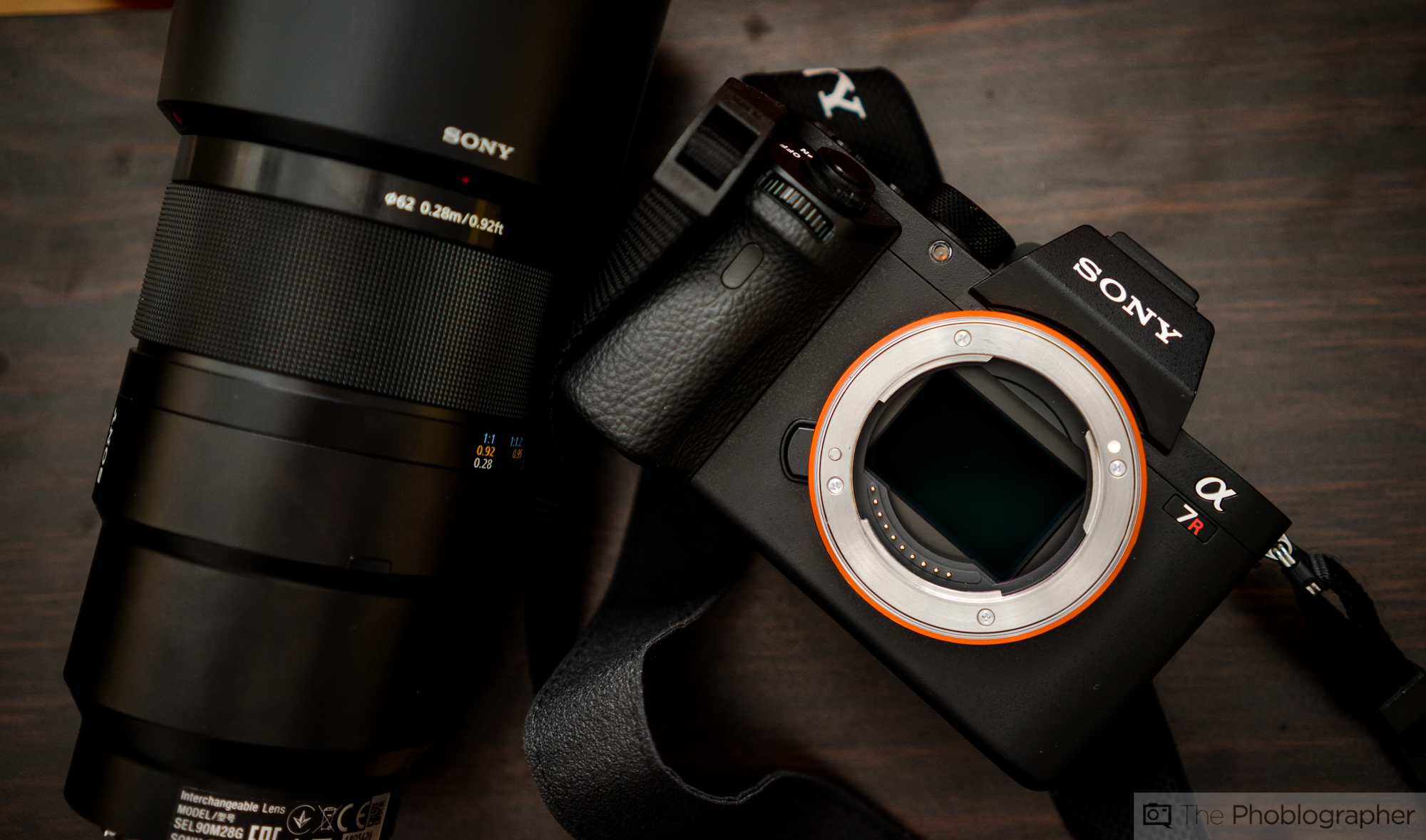
Sony A7R Mk II
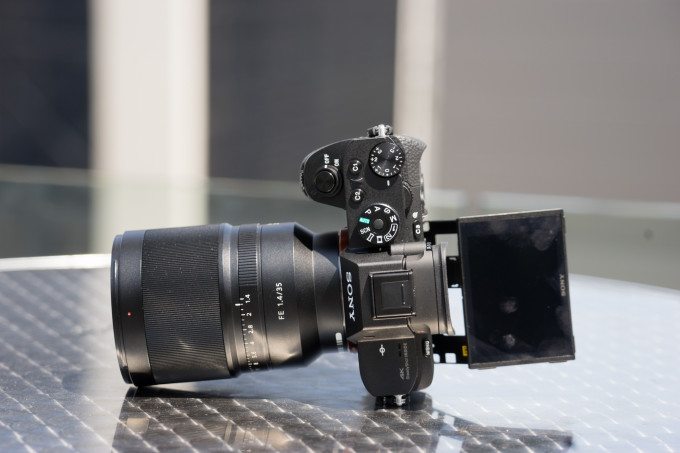
The Sony a7R Mk II is one of the most wonderful cameras. It features a 42MP full-frame sensor, a BIONZ X image processor, the ability to record UHD 4K videos, and 5-axis image stabilisation. There are also 399 AF points, a 1,228.8k-dot LCD screen, a 2.36M-dot viewfinder, ISO up to 102,400, and built-in WiFi. The camera excels at best image quality, good RAW versatility, fastest autofocus, high ISO performance, and improved battery life. “When it comes to image quality, it puts the Canon 5Ds to shame,” we said in our review. “With that said, the Sony a7R MK II is the closest thing there is to the best camera on the market for those who need it.”
Olympus OMD EM10 Mk II
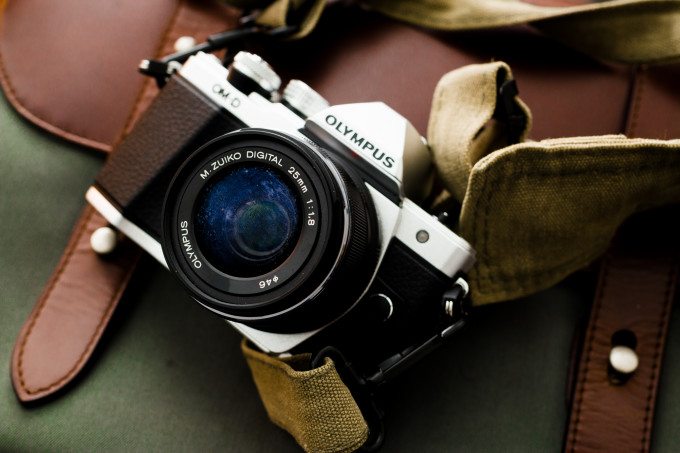
The Olympus OMD EM10 Mk II is a Micro Four Thirds camera with a 16.1 MP Live MOS sensor. The device features 5-axis in-body image stabilization, a 2,360k dots OLED EVF, 4K time-lapse video recording options, and 14 art filters. It offers great image quality, fast AF, retro ergonomics, a brilliant LCD, and great low-light capabilities. As we said in our review, “The Olympus OMD EM10 Mk II is honestly a really great camera. It will deliver excellent images in the hands of most folks and its simulated OVF mode is also great for many photographers that otherwise still swear by optical viewfinders.”
One to Leave Behind: Canon 5Ds
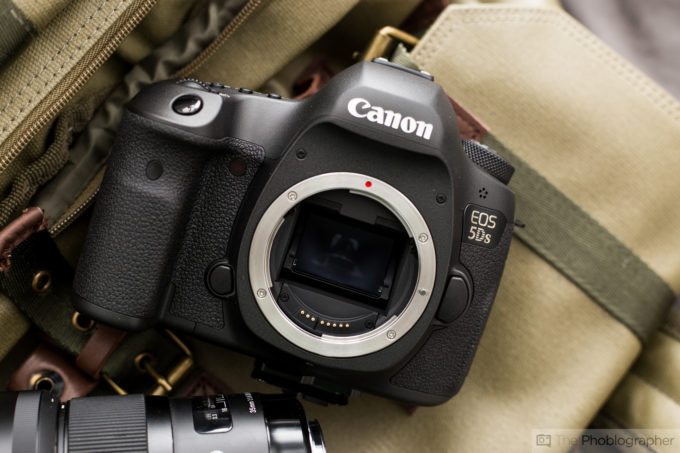
The Canon 5Ds is a great camera, but the bigger problem has to do with a few usabiltiy issues. There’s no Wifi built in, for example and so it truly feels like a very old camera. Some of you may be into that, but most others probably can’t imagine a digital camera from this era without WiFi. Additionally, the sensor doesn’t do well with handling the highlights in an image at all. So think of it kind of like shooting slide film. You may be into that, but if you’re going for an older camera, then you’ll want everything that it can give you at a cheaper price.
Besides, the prices. on these cameras have been going up.
Get rid of the ads!
Did you enjoy reading this article as much as we enjoyed writing it? There's a way to support us and our reporting, getting ad-free navigation and more as a bonus. Subscribe to us for less than a coffee per month —just $3.99— or take advantage of our yearly subscription with a hefty discount for only $25.- An ad-free experience
- A free mystery box for Lightroom or Capture One
- All the books in our store
- 20% discount on Capture One
- 30% discount on Imalume Photo Theft Protection
- 20% off Herbs and Kettle Tea Company.