


Before the advent of photography, our joys, sorrows, love, grief, shame, anger, and loneliness were captured by the broad strokes of a paintbrush, ancient texts, intricate rituals, and traditions, often leaving a lot to the imagination. After all, expressing who we are or what we think of others is intricately tied to our very being. But when photography came into existence, with its varied nuances, tinges, and expectations, we had already developed ways to articulate ourselves. One of the ways we achieve this is by celebrating our little victories and loss, which tells us what it is to be human. With us only a few days away from Christmas and New Year’s, we figured this would be a great time to look at how photographs of celebrations have become a critical aspect of our complex lives.
Whether it is weddings, birthdays, holidays, or even funerals, each occasion signifies our reasons to laugh or cry. However, in every instance, photography becomes a critical tool to cherish these lifelong memories or remember them with bittersweetness. With holidays and more planned festivities such as Thanksgiving and Christmas, one finds ways to reflect on the days, even if one has the biggest argument of one’s life. Remember The Bear‘s episode about Christmas? Yes, that can be a reality for some. However, there is also an idealized version of the celebration, which Philip-Lorca diCorcia captures perfectly in his maximalist photograph of Christmas. The colorful gift wraps and an overtly decorated tree are some layers people usually expect. Still, the harsh reality is that, sometimes, Christmas can be a really lonely holiday beneath the blingy facade.
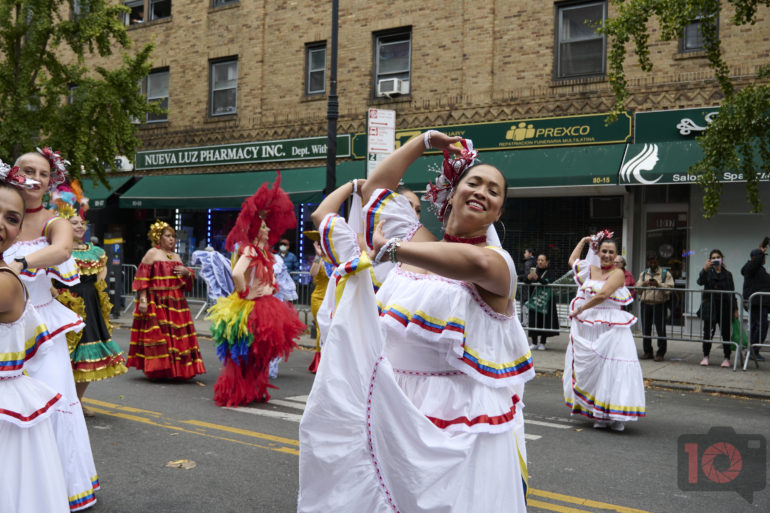
This also brings to mind what sociologists have said: celebrations are a great way to encourage unity while urging people to celebrate their significant and diminutive accomplishments. For instance, birth anniversaries of figures like Martin Luther King Jr. or Georgia O’Keeffe promote positivity, while personal achievements such as a successful marriage or retirement can add to our sense of purpose. It reminds us of how we have lived our lives and how we have contributed to society. In such instances, photographs of celebrations can often help us feel better, especially when one is going through a rough patch in life.
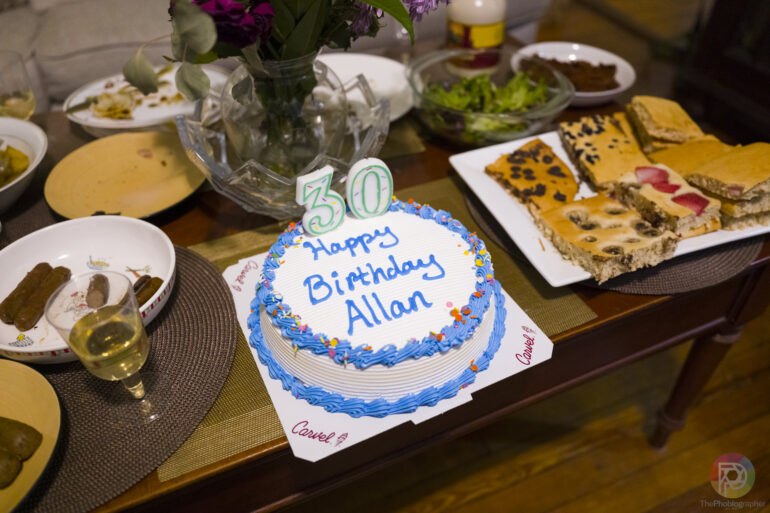
While personal albums are excellent time capsules, some photographers have captured festivals as part of their long-term series. For instance, Cake by Frances F. Denny depicts the themes of nostalgia and the transciency of moments. He uses half-eaten cakes, which could be from birthdays or weddings, to evoke excitement but also the weight of sadness that washes over you after the event ends. Similarly, Malick Sidibé’s series on family gatherings paints a rather rosy picture of how such events are often filled with magic and excitement. When I saw them, I almost hoped our culture had a parallel way of celebrating familial bonds.
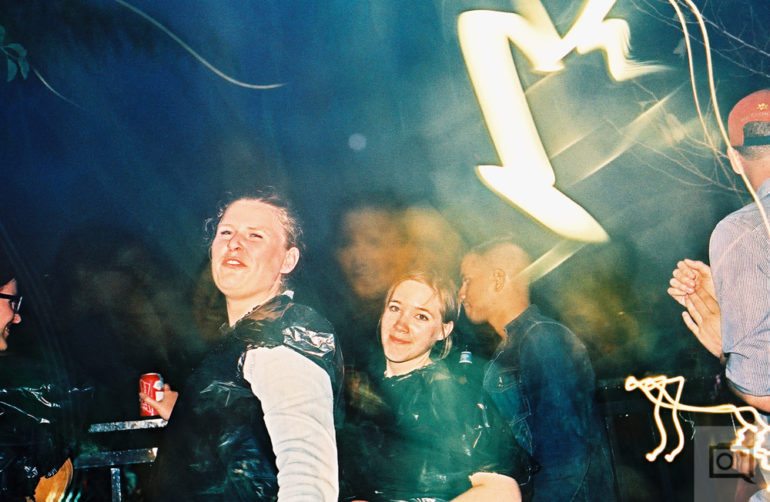
We often love to party, and while there are photographs of your dad enjoying a blurring night in your photo album, photographer Ruvan Wijesooriya takes it a step further by capturing a block party in Brooklyn in 2020, following the end of the first pandemic. The photographs of celebrations depict the community’s joy and the importance of human connection at a time when isolation almost led to our collective breakdown.
While we spoke about the beauty of personal parties, there is another sense of exhilaration when seeing the portrayal of patriotic feelings. Images from the 4th of July or political gatherings showcase the elation the supporters feel. For instance, the recent picture of Donald Trump following his attempt at assassination can become a historical record, especially if he wins the elections. Even the images from protests, such as the suffragette movement, have proven to shake the system.
Akin to photographs of celebrations of the living, images that explore morality are also of the utmost importance. Peter Hujar’s photographs of the Palermo Catacombs depict the reality of death, which often heightens our senses. Even Victorian-era images, where the deceased were seen posing, became cathartic for the family in grief and helped them to remember. There are also instances where photographers turned the medium, following sorrowful moments such as divorce or the collective despair of a community.
As a result, photographs of celebrations, with the living or the dead, showcase our resilience in the face of challenging times. For instance, the image of a wedding amidst the genocide in Gaza is exactly the kind of picture one would like to see. So are the pictures of birth and children playing. These photographs will continue to serve their purpose decades after we are gone, depicting how human expressions and visual creation often walk hand in hand.
Get rid of the ads!
Did you enjoy reading this article as much as we enjoyed writing it? There's a way to support us and our reporting, getting ad-free navigation and more as a bonus. Subscribe to us for less than a coffee per month —just $3.99— or take advantage of our yearly subscription with a hefty discount for only $25.- An ad-free experience
- A free mystery box for Lightroom or Capture One
- All the books in our store
- 20% discount on Capture One
- 30% discount on Imalume Photo Theft Protection
- 20% off Herbs and Kettle Tea Company.