

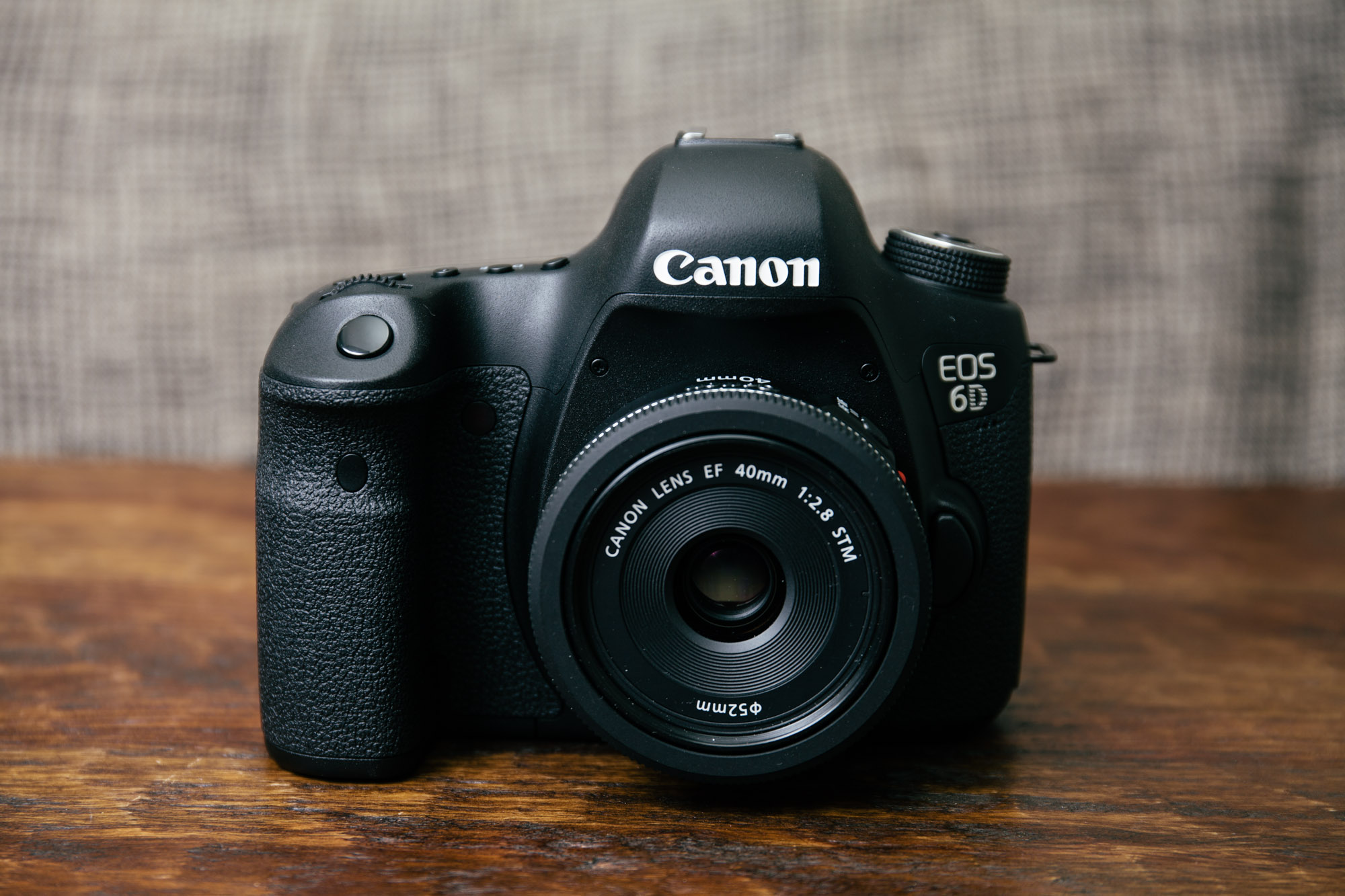
If you’re a Canon user, then you might get what I’m talking about. But it really takes a unique kind of camera-lover to truly understand the ergonomic differences of one camera to another. When the Canon 5D Mk II was replaced with the 5D Mk III, it didn’t feel right. The Mk III replaced the Mk II’s elegant but serious feel with something designed to put too much emphasis on settings that didn’t need to be used. That, and there was something about the way the angles felt very aggressive instead of elegant. But when the 6D came out, it felt in many ways like the true 5D Mk II successor — until the Mk II of that camera came out.
The Canon 6D for a very long time was a camera that I continued to build this website with. It yielded me some incredible photographs that I’m proud of even when I look back on them today. It was also one of the first DSLRs with Wifi built into it for connectivity and getting your images out there on the web as soon as possible.
And I felt that Canon has gone through the same thing over and over again.
They’ll make a camera that feels elegant and replace it with something that feels like they gave that camera sandpaper clothing and changed the shape. This, overall, is majorly annoying. But Canon isn’t the only brand to do this.
Canon, Sony, and Nikon tend to change their cameras up very often and in annoying ways.
Why can’t you keep the power switch in the same position was it was with the previous camera? Or why isn’t the playback button or the menu button always in nearly the same place?
Does camera design need to feel as passive-aggressive as urban infrastructure? In parks around NYC, benches are designed to keep homeless people from sleeping on them and yet provide a bit of comfort for a little while. Canon and many other rbands tend to make cameras that they don’t think are supposed to be in the hands of a photographer for a very long time.
This is a big reason why I tend to love Leica so much more. Pick one the SL2 and the SL3, and you’ll find that the controls are in mostly the same place. More importantly, you’ll see and feel them in the same positions with Leica M cameras.
Truly, I wish sometimes that camera designers wouldn’t make their devices into low-key nightmares to use at times.
Get rid of the ads!
Did you enjoy reading this article as much as we enjoyed writing it? There's a way to support us and our reporting, getting ad-free navigation and more as a bonus. Subscribe to us for less than a coffee per month —just $3.99— or take advantage of our yearly subscription with a hefty discount for only $25.- An ad-free experience
- A free mystery box for Lightroom or Capture One
- All the books in our store
- 20% discount on Capture One
- 30% discount on Imalume Photo Theft Protection
- 20% off Herbs and Kettle Tea Company.
- 20% off your order from MPIX printing services.
- 5% off Viltrox Products via their eCommerce store.
- 10% off all film developing, printing and scanning services from Blue Moon Camera and Machine
- 15% off 7Artisans products: The lens and accessory maker is offering a sweet discount for Phoblographer's readers.