


Recently, Donald Trump achieved what he had said during his presidential campaigns: tariffs on imported products. One of his key goals is to promote American-made products, ensure national security, and leverage economic power over other nations. According to CNN, tariffs could cause inflation, as the taxes borne by importers are directly passed on to the consumer. There are also opinions that the new tariffs could lead to trade wars, which would further hurt the pockets of Americans. As the initial phase is still rolling out, we are not entirely sure what the future may look like. However, we will try our best to give you an idea of how much your new gear may cost you.
Japanese Camera Prices Could Rise
If you have been following the events, you may be aware of the three countries on Trump’s radar: China, Mexico, and Canada. While Canada and Mexico have a 25% tariff on them, China has a 10%. Initially, Trump proposed tariffs of 60% to 100% on imported Chinese goods, but for now, it appears he wants to take things slow. However, you must also remember that Chinese products already have existing tariffs under Section 301, which range from 7.5% to 25%.
Currently, Europe is safe — so Leica should be mostly fine. However, if Trump changes this, we may see German companies increase their prices too. The last time Trump put tariffs on German goods, Leica ate the fee. When the tariffs were lifted, Leica increased prices to offset the money they lost.
At the moment, photographic equipment, including those that have components imported from China but assembled elsewhere, can face up to a 17.5% tariff.
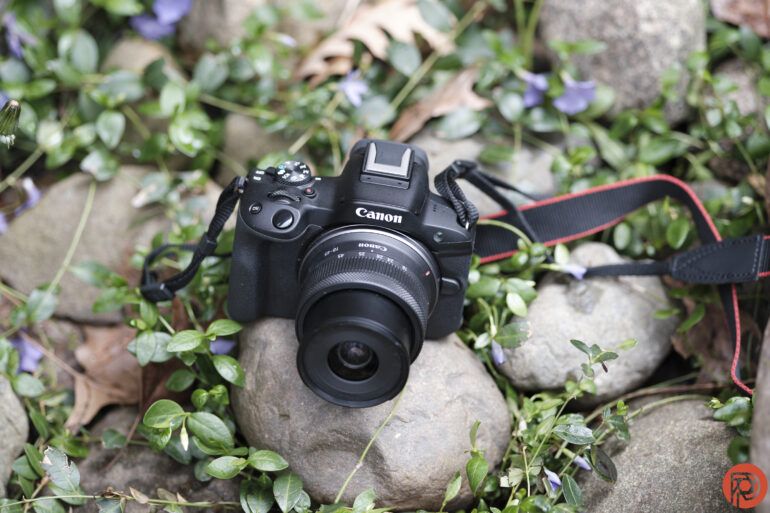
Let us help you break this down further. If we take the new (10%) tariffs with the existing one (7.5%), as well as add import duties (about 0%-5%) and other taxes such as sales tax and VAT (that also range from 5%-10%), then we will see an obvious rise in the products. Furthermore, if we add handling or broker fees, which can range from $50 to $150, the cost will go up further. This is the bare minimum cost we are looking at because we truly can’t tell you how or where the camera manufacturers charge you extra to keep their profits.
Hypothetically, if a camera (body only) costs about $1,000
Original Cost: $1,000.
- Original cost: $1,000
- Existing tariffs: 0.075\times 1000 = $75.
- New tariff: 0.10\times 1000 = $100.
- Total tariffs: 75 + 100 = $175.
- Import duties: 0.025\times 1000 = $25.
- Total cost before sales or VAT tax: 1000 + 175 + 25 = $1,200.
- Sales or VAT tax: 0.075\times 1200 = $90.
- Handling and Broker Fees: 50 + 150 = $200.
- Total New Cost: 1000 + 175 + 25 + 90 + 200 = $1,490.
Again, this is a rough figure based on existing data. There are various factors that could affect it: platform cost (where you purchase it from), shipping cost, supply chain issue, market demand, economic inflation, and so on.
However, at the same time, Trump has stated that tariffs will not burn a hole in your pocket, which is quite the opposite of what many news outlets have reported. If a trade war does take place, then Trump will increase the tariffs to have the upper hand, which means the same thing will cost twice the amount.
What we must not forget is that China has been one of the foremost countries when it comes to mass-producing electronics at cheaper rates. In fact, companies like Apple depend on them to create iPhones. So, one can’t rule out their contribution. Similarly, Japanese camera makers are also dependent on China for various camera components such as screens, buttons, or glasses for lenses, amongst others.
Chinese Lenses and Tariffs
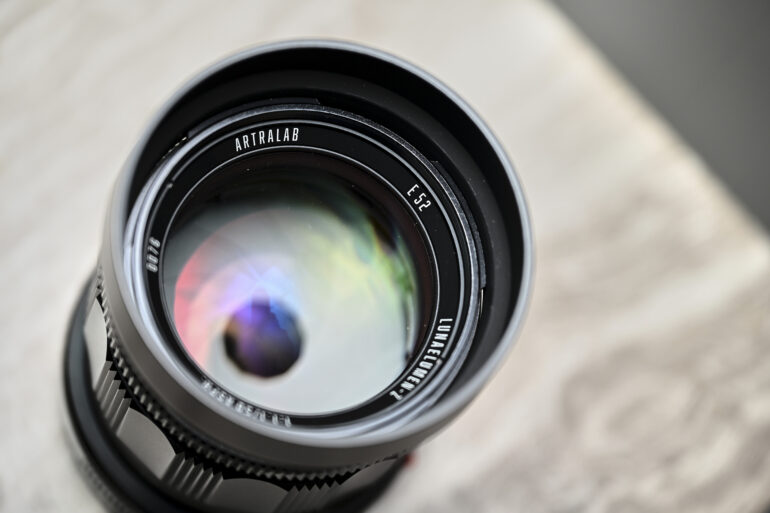
This also means that third-party lenses, which are quite cheap compared to their Japanese counterparts, could see a spike in their rates. For instance, a lens that costs about $160 could easily cost you over $260 to $300. This also means that one could look at the second-hand camera market as a more effective solution. The price increase may reflect there, too, but at least you will have the opportunity to save a few dollars. Companies may also find a better solution to ensure you don’t bleed through your pocket. For instance, GoPro will diversify its supply chain. Similarly, Nikon, Canon, Fujifilm, and Sony may do the same and make India their base.
Get rid of the ads!
Did you enjoy reading this article as much as we enjoyed writing it? There's a way to support us and our reporting, getting ad-free navigation and more as a bonus. Subscribe to us for less than a coffee per month —just $3.99— or take advantage of our yearly subscription with a hefty discount for only $25.- An ad-free experience
- A free mystery box for Lightroom or Capture One
- All the books in our store
- 20% discount on Capture One
- 30% discount on Imalume Photo Theft Protection
- 20% off Herbs and Kettle Tea Company.
- 20% off your order from MPIX printing services.