

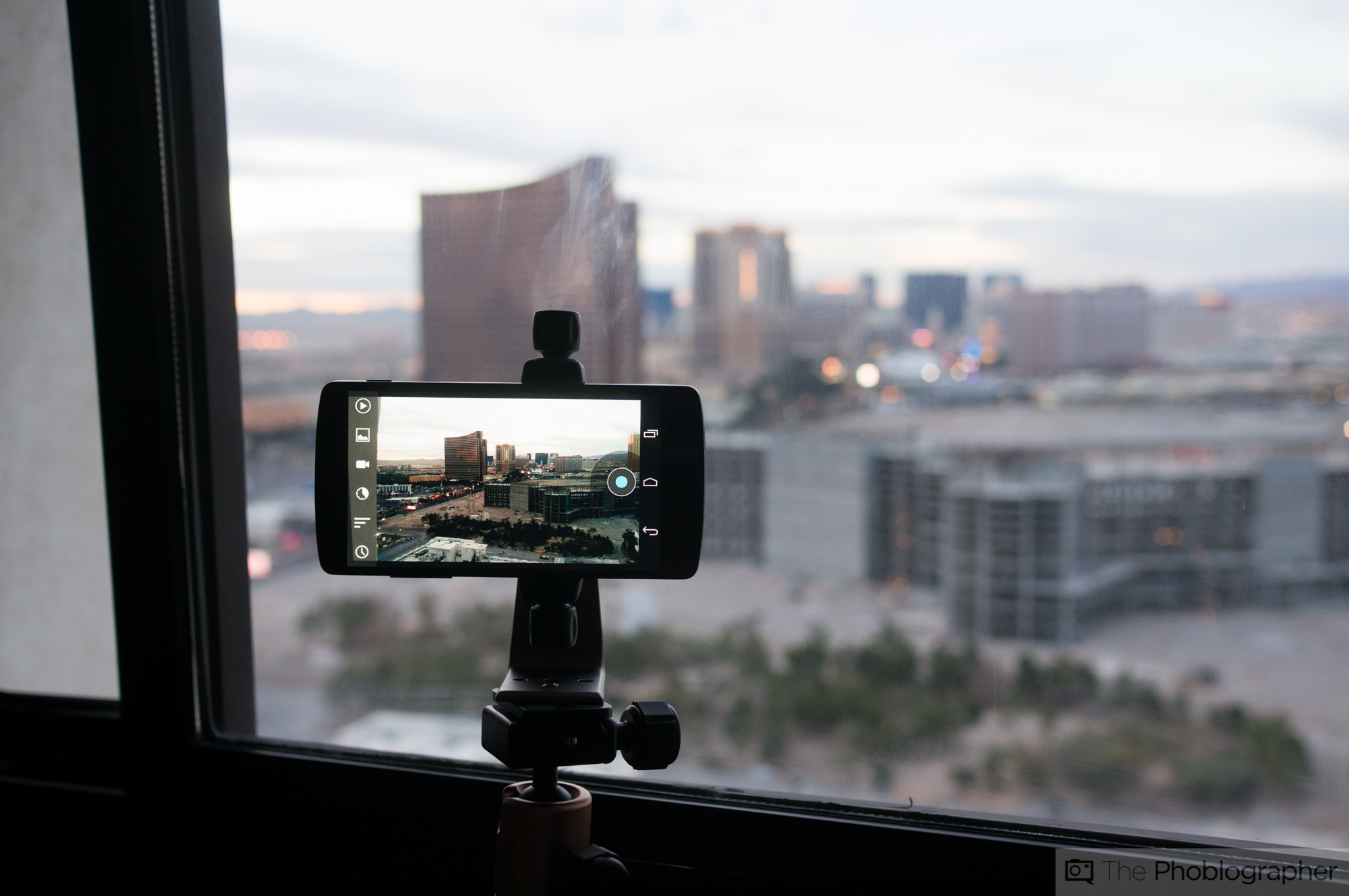
Smartphone photography has evolved so rapidly that it has completely swallowed the entry-level camera market. There was an era when point-and-shoot cameras and beginner-level DLRs were a rage for anything stepping into the world of photography. But then came Samsung and Apple iPhone, which created a revolution that is still a driving force in the technology market. One could, perhaps, even state that the different iterations of the phones (despite them being almost identical to one another) influenced the camera market to have various versions of their cameras. But while a camera requires more resources (such as finances and dedication), a phone absolutely does not. With more and more smartphones adopting AI tools for photography and the iPhone 16 series introducing its camera shutter button, one wonders: is phone photography making us content creators?
Smartphone Photography Was All About
The answer to this, however, is not that simple. Sure, smartphone photography is a great tool for many creators who want a small device on the go or when they wish to have something that will help them to not stand out. That’s why sometimes, some photojournalists would choose smaller devices. An example of this is Zishan A Latif’s moving series, The Aftermath of the North East Delhi Riots, which won the 3rd prize in the Contemporary Issues category of the World Press Awards. The photographer, who was in Delhi at that time, went to document the consequences of the riot, which destroyed numerous homes and resulted in the death of over 50 Muslims. In such a situation, his handy iPhone was very crucial for the significant reportage.
In contrast to his work is Dimpy Bhalotia’s street photographs, which have a rhythm of their own. The black and white pictures of various cities are pulsing with energy, with the crisp composition and timing adding meaningful layers to her images. In both instances, we see a distinct approach to photography, where a smartphone is nothing but a mere tool to bring their vision to life. Would a camera work better? Sure, it could help them with a higher pixel count. However, that is not the goal here.
What Owning a Smartphone Means Today
It now seems that while phone manufacturers are trying to push technology in the camera segment, they think the best way to do so is through AI. With AI photo features becoming increasingly dominant, the very reason that made phone photography fun is losing its meaning. In fact, iPhone photography, for instance, while showcasing diverse narratives, also promoted the Western gaze. Similarly, Instagram’s promotion of images, too, comes from the same perspective. This also makes one wonder if, today, these spaces are pushing us to shoot better or to shoot for the aesthetic value they offer?
The recent introduction of the iPhone’s shutter button is another characteristic that will slowly trickle down to other phones. On the other hand, Yongnue tried to create another camera, the YN455 4K, which is a cross-breed between a retro-looking camera and a phone. The LCD is pretty huge and looks exactly like a smartphone, while the front features an interchangeable lens mount. With such traits in a smartphone, the idea of photography to document what you like is slowly fading, and the need to create content is taking center stage. With the ease of sharing on social media, people no longer feel the need to take the time to create high-quality photographs. Instead, they have become part of a circus without even realizing that they are performers.
Get rid of the ads!
Did you enjoy reading this article as much as we enjoyed writing it? There's a way to support us and our reporting, getting ad-free navigation and more as a bonus. Subscribe to us for less than a coffee per month —just $3.99— or take advantage of our yearly subscription with a hefty discount for only $25.- An ad-free experience
- A free mystery box for Lightroom or Capture One
- All the books in our store
- 20% discount on Capture One
- 30% discount on Imalume Photo Theft Protection
- 20% off Herbs and Kettle Tea Company.
- 20% off your order from MPIX printing services.
- 5% off Viltrox Products via their eCommerce store.
- 10% off all film developing, printing and scanning services from Blue Moon Camera and Machine
- 15% off 7Artisans products: The lens and accessory maker is offering a sweet discount for Phoblographer's readers.