October seems to have ended on an exciting note for Canon. The company released four new lenses, showcasing its commitment to the mirrorless lineup, and received reviews for its Canon EOS R5 II. The company is also enjoying a 5.3% revenue rise in Q3, which is pretty good considering that it faces tough competition from both Nikon and Sony. In fact, their lenses, too, have gathered about 107 million euros. Amidst such news (and they seem quite great from where I stand), BCN Rankings have revealed their latest sales report, and Canon is doing more than dominating this time. And there’s a cheap Canon camera that’s really surprising people: the Canon EOS R10.
The Report Seems Quite Enticing for Canon
In the past, BCN Rankings revealed an interesting trend. Sony and Canon have always been at it for sales units, and quite often, Sony would top in the mirrorless department, while Canon dominated in the DSLR segment. However, recent reports from October display that Canon’s mirrorless cameras are also equally desired. And they’re cleaning more towards the segment where a cheap Canon camera like the EOS R10 lives instead of the higher end options. Here’s what the BCN Rankings retail report reveals from the end of the month (21st to 27th):
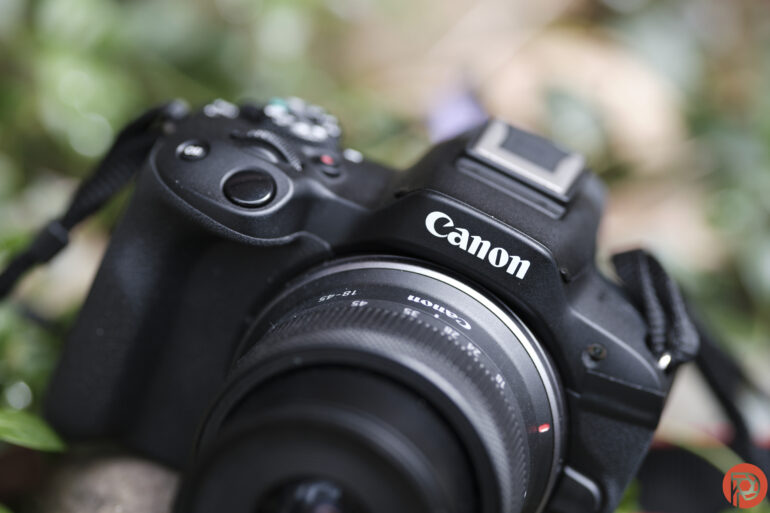
- Canon EOS R10 RF-S18-150mm IS STM lens kit
- Canon EOS R50 double zoom kit black
- Nikon Z 30 double zoom kit
- Canon EOS R50 double zoom kit white
- Sony VLOGCAM ZV-E10 II double zoom lens kit black
- Sony a6400 double zoom lens kit black
- Sony VLOGCAM ZV-E10 double zoom lens kit black
- Sony a6700 body
- Nikon Z fc 16-50 VR lens kit silver
- Sony VLOGCAM ZV-E10 power zoom lens kit black
Just a week before this, Canon’s EOS R50 camera kit ruled from September onwards before dropping to a second spot in the last week. This is yet another cheap Canon camera that marks a similar strategy to what they did back in the DSLR days: majorly mark down the consumer-market cameras for sales. This could be the case due to cash-back offers, where the company tries to clear certain products from the aisle. There could also been a behavioral change, but that should have affected the sales so much, and more so in a week. Either way, Canon has maintained a stronghold, followed by Sony, which has always had a minimum of four cameras in the rankings since September. The other manufacturers, such as Panasonic, Nikon, and OM Sytems, have also made it to the list at least once. However, we haven’t seen Fujifilm around for a while.
Smaller Sensors Dominate The Game
While we all like to buy a full-frame camera, the harsh reality is that many of us simply don’t need that many features or have the money to afford it. The next best option is a cost-effective camera that is not only good for images but can also perform well when shooting in low light and making videos. It’s exactly for this reason Sony has never budged from the list. The VLOG and a6000 series are some cameras that offer the best of both worlds. In a world where streaming your feelings every minute is the norm, the cameras are pretty great for meeting that demand.

On the other hand, Canon is trying to ensure its cameras, too, are more content creation-centric and able to keep up with the demands. In fact, it was at Photo Trends that the company reps revealed that the APS-C market is performing really well for them, with EOS R50 being their best-selling camera between January and August. That hasn’t changed, despite the launch of the EOS R5 Mk II. This should be a pretty clear indication of what works with users.
Nikon has been trying to achieve a similar success rate, but the Z fc is not the best offering. So, I am quite surprised to see that it even made it to the lost. Their full-frame cameras have been perfected, but their APS-C is left at the mercy of its older, higher-end devices. Fujifilm could perhaps not be around due to the shortage it faces, which is something they really need to work on.
Thus, the BCN Ranking has taught us and the camera makers a valuable lesson: less is more. I don’t mean in terms of the features but in terms of price and size. Many people make do without some features, such as focus peaking or lack of multi-exposure shooting for RAW. These are some examples. But imagine having an APS-C that can do that. Perhaps the company can release an advanced camera after 4-5 years to refresh the lineup, but only when it is absolutely near perfect.
Clearly, a segment that is supposed to be “dead ” figuratively has been helping companies make a profit where the other things fail. And thus, this should taken as a sign from the universe. Or else, the brands are fighting a losing war.
Get rid of the ads!
Did you enjoy reading this article as much as we enjoyed writing it? There's a way to support us and our reporting, getting ad-free navigation and more as a bonus. Subscribe to us for less than a coffee per month —just $3.99— or take advantage of our yearly subscription with a hefty discount for only $25.- An ad-free experience
- A free mystery box for Lightroom or Capture One
- All the books in our store
- 20% discount on Capture One
- 30% discount on Imalume Photo Theft Protection
- 20% off Herbs and Kettle Tea Company.
- 20% off your order from MPIX printing services.
- 5% off Viltrox Products via their eCommerce store.
- 10% off all film developing, printing and scanning services from Blue Moon Camera and Machine
- 15% off 7Artisans products: The lens and accessory maker is offering a sweet discount for Phoblographer's readers.