

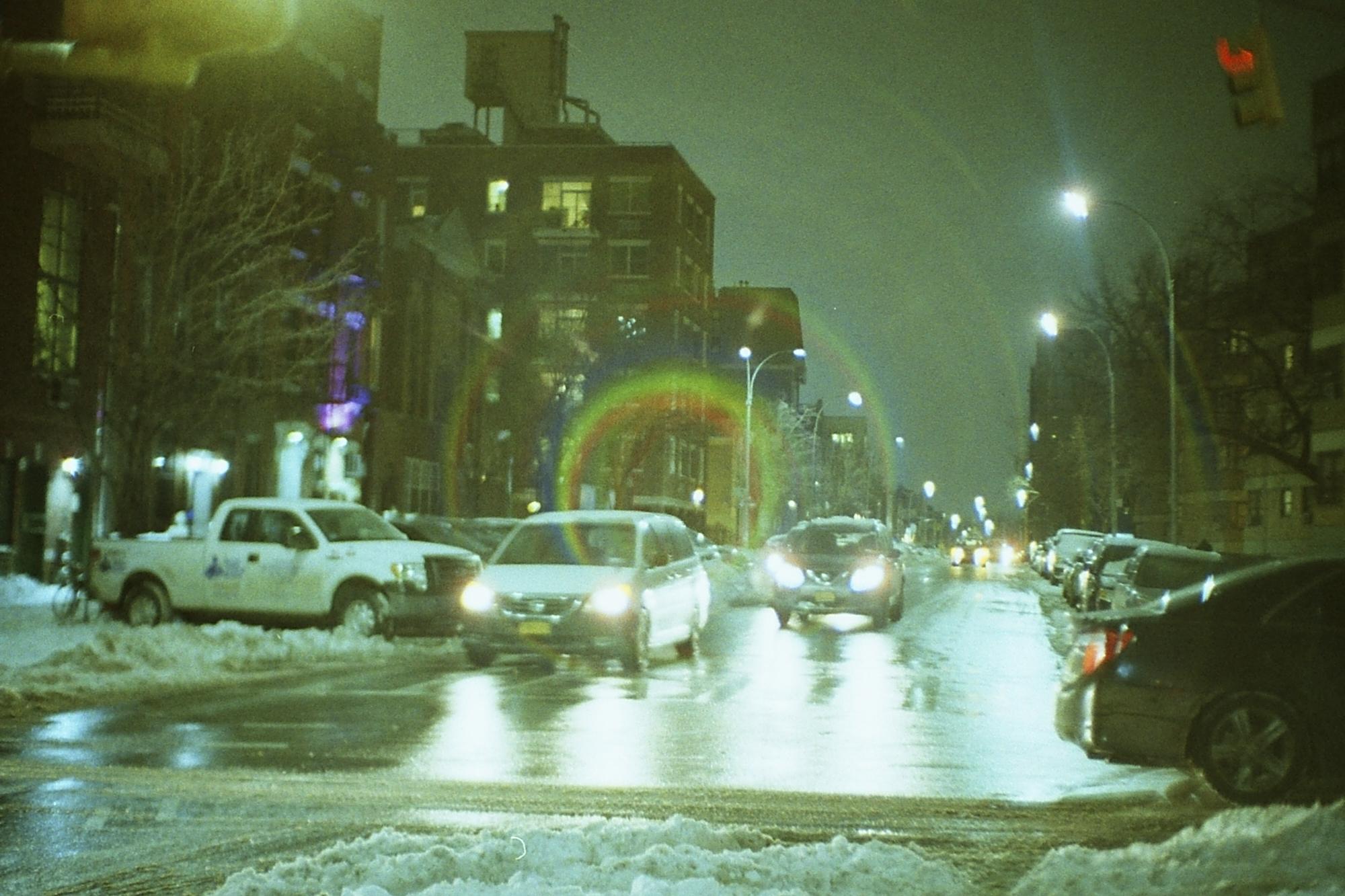
Are you into film photography? Then we have some exceptional news for you. Chemlooks, a software company started by cinematographer Tim Sutherland and filmmaker and photographer Brent Shrewsbury, designed a new film inversion software to help the film community. Titled Chemvert, the application is now available for MacOS. If you are wondering what it can do, then you should read more to find out. The software certainly seems like an exciting option for analog shooters.
How Does Chemvert Help Film Photography?
The application can accommodate multiple scanning methods and films and offers true-to-emulsion image processing. For instance, people who utilize flatbed, feed, Pakon, and digital camera scanning can all use Chemvert to process their negative. According to their website, the duo has consistently worked to provide an instrument to enhance scanned film over the past three years.
For instance, some of its features include proprietary color processing, auto and manual controls, and identifying and changing the film rebate and any color casts left by the scan. In return, you get images that appear similar in color across various scanners. Moreover, the application also retains details in sprocket holes and film borders.
In the case of a digital camera scan, Chemvert will leave the device’s color setting and utilize the raw sensor data to provide accurate inversion. Some of the other unique characteristics that the software uses are film edge detection, custom camera and lens profiling, and distortion removal. Black and white film photographers will also be happy as it handles such negatives with precision. For instance, Chemivert is designed to provide a full tonal range of the film.
The website also notes that the software will assist your native RAW file types and features an auto-resolution detection feature for a more streamlined flow. A built-in Pakon-style color engine provides Pakon scan emulation with a 16-bit output, too. A custom film stock preset builder and the ability to make the same edits on multiple images are also present. Chemver has a Minilab Mode to give semi-automatic flow; it is compatible with Elgato Stream Deck and also creates lens profiles for camera scanning.
Why Film Photography Needs Good Editing Software?
If you have used an analog camera, then you know how expensive film is today. A good film can cost hundreds of dollars, not including the processing charge. When you do the latter, that is another few hundred dollars gone. Black and white film photographers can save this expense if they simply learn to process the film at home. Color films, however, can get very tricky. Plus, storing film is another headache that photographers have to face. Moreover, many photographers who shoot on film also have to digitize their files for marketing, social media, or storing purposes.
So, when one wants to correct their scanned film, they undergo various hassles. With most digital presents replicating the look of the film, where do film photographers go? They need software that can do justice to their work and that goes beyond controlling distortion. Another important feature would be to avoid sharpness and provide exceptional colors. In our previous article, we noted how film photography is getter cleaner and shaper, thanks to the scanners. In this regard, good software can help you to ensure your images appear digitally the same way they do in print.
For more information or to buy the software, visit Chemvert’s website.
Get rid of the ads!
Did you enjoy reading this article as much as we enjoyed writing it? There's a way to support us and our reporting, getting ad-free navigation and more as a bonus. Subscribe to us for less than a coffee per month —just $3.99— or take advantage of our yearly subscription with a hefty discount for only $25.- An ad-free experience
- A free mystery box for Lightroom or Capture One
- All the books in our store
- 20% discount on Capture One
- 30% discount on Imalume Photo Theft Protection
- 20% off Herbs and Kettle Tea Company.
- 20% off your order from MPIX printing services.
- 5% off Viltrox Products via their eCommerce store.
- 10% off all film developing, printing and scanning services from Blue Moon Camera and Machine
- 15% off 7Artisans products: The lens and accessory maker is offering a sweet discount for Phoblographer's readers.