

Last Updated on 06/24/2011 by Chris Gampat
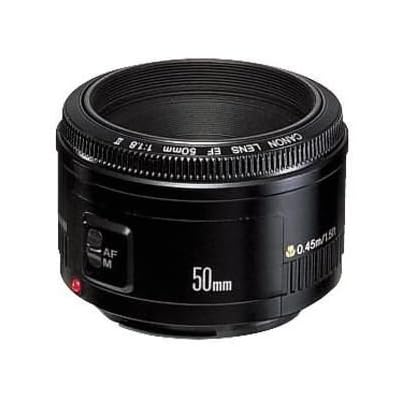
One of the most valuable and versatile pieces of equipment a photographer has is a 50mm lens. When we first start using it, we are immediately astonished by just how much the image quality of our cameras can improve. However, we also do tend to forget lots of points that are important to know in order to ensure optimal image quality and excellent results. Here’s a list to keep in mind.
Remember To Zoom With Your Feet
Because a photographer no longer has a zoom lens on their camera, he/she must remember that zooming with your feet is essential. That means that if you want to take a picture of a building, bird, person, etc then you’ll need to get up close enough to ensure that your subject fills the entire frame. In training of students, it isn’t uncommon to see them sit there and casually snap the same photo over and over again only to end up with rather bland images of their intended subject.
That said, remember to get up close and think about your composition.
Stop the Lens Down
Most 50mm lenses reach optimal sharpness at F4. Remember that keeping your lens wide open at F1.4 or F1.8 will not allow users to get as much in focus as needed. That said: don’t get distracted by the bokeh effect in which you just try to get images with a nice blurry background. Focus instead on what you’re actually trying to capture and capture it well. This is essential with portraits as you can sometimes get your subject’s nose in focus and not the rest of the critical features such as the eyes.
Sometimes Manual Focus is Best
50mm lenses can be plagued by autofocus problems. Because of this reason, users should learn to manually focus their lenses. Which brings me to my next step.
Pay Close Attention To Where It Focuses
When shooting at wider open F stops like F1.8 or F2, it is very possible for the photographer to think that they are getting everything that they want in focus. Try moving the focus ring around that intended area of focus and watch how your subject moves sharper in focus and out of focus. Stopping your lenses down also helps.
Take Off Your UV Filter
As probably the most important thing for beginners to know—your UV filter can destroy your image quality. If a salesperson tells you to buy one, then the reasons are possibly to protect your lens in case of a fall or because they merely want to make a sale. Either be careful with your camera/lenses or keep your lens cap on. Another option is getting a lens hood of some sort for your 50mm.
What other tips can you offer from experience?