

Last Updated on 05/20/2026 by Chris Gampat
Sigma has introduced some wonderful telephoto lenses for photographers documenting birds and wildlife along with sports. Models such as 100-400mm, 150-600mm, and 300-600mm, amongst others. It now appears that the company is working on a new patent that can make things better. Have a look at their latest patent.
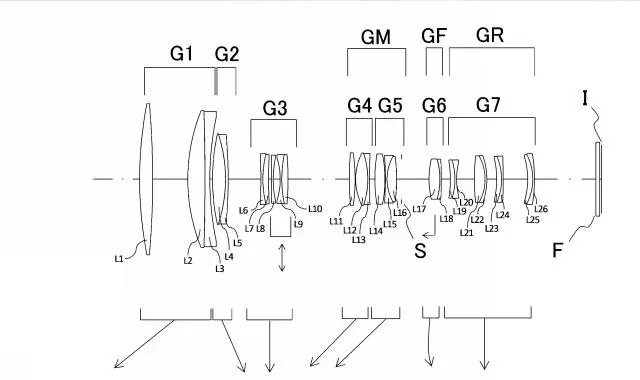
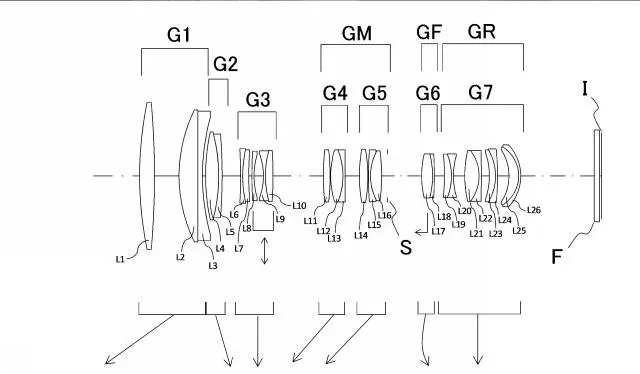
According to Asobinet, Sigma has filed patent P2026082399, published in May, which showcases three super telephotos: 125-700mm f6.3-9, a 150-600mm f5-6.3, and a 100-400mm f5-6.3. The new lenses are said to suppress chromatic aberrations, be compact, and fulfill the demands of wildlife and sports photographers.
Example 1
- Focal length: 153.00-577.80
- F-number: 5.15-6.47
- Angle of view: 15.75-4.18
- Image height: 21.63
- Length: 285.59-385.59
Example 2
- Focal length: 102.80-388.00
- F-Number: 4.99-6.46
- Angle of view: 23.64-6.23
- Image height: 21.63
- Overall length: 225.0-292.00
Example 3
- Focal length: 123.60-777.60
- F-number: 6.15-9.06
- Angle of view: 19.78-3.11
- Image height: 21.63
- Length: 292.27-388.89
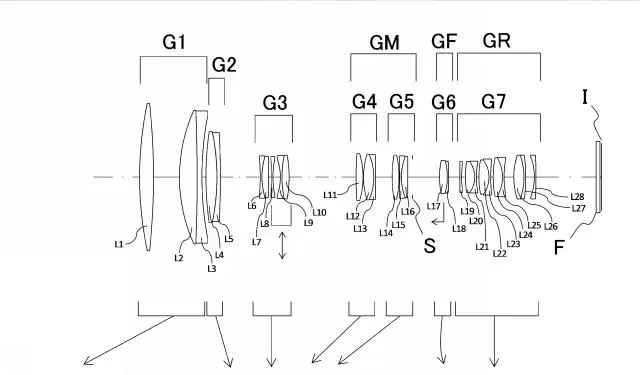
The 125-700mm is a Sigma lens that is said to offer a 2x teleconverter, which will reportedly cover over 1500mm. This is the lens that can make things interesting, given that the 150-600mm and 100-400mm pretty much already exist in some sort or another. In other words, the 125-700mm does not exist on the market, making the patent even more impressive. Since the 150-600mm is the most affordable super telephoto in the market, a lens extending to 700mm will only make things better.
However, there are some challenges. For starters, the f6.3-9 means a slower aperture. This means one can only shoot in good light, or high ISO results for fast-paced shooting. However, wildlife photographers shooting in open landscapes, the 700mm reach will allow them to photograph distant birds, elusive predators, and shy animals with ease.
Unless Sigma is working to launch faster 100-400mm and 150-600mm options, then there is no point in newer lenses. For instance, in the review of the 2022 lens, we said the following:
The Sigma 150-600mm is a bit of a mixed bag — but, on L-mount, it’s rare enough that it’s worth considering for that huge reach. The images are excellent, with that ultra-telephoto compression and bokeh, solid sharpness, and little aberration. While heavy, it’s lighter than similar competing lenses and the weather-sealing survived a snowstorm.
However, one must remember that the 125-700mm lens could just be a patent and not a reality. Either way, the possibility of a 700mm with 2x zooming-in option, which is priced around $2000-$3000, could be the thing that photographers need. The current lineup is fantastic, but the future lineup could make things better.
Get rid of the ads!
Did you enjoy reading this article as much as we enjoyed writing it? There's a way to support us and our reporting, getting ad-free navigation and more as a bonus. Subscribe to us for less than a coffee per month —just $3.99— or take advantage of our yearly subscription with a hefty discount for only $25.- An ad-free experience
- A free mystery box for Lightroom or Capture One
- All the books in our store
- 20% discount on Capture One
- 30% discount on Imalume Photo Theft Protection
- 20% off Herbs and Kettle Tea Company.