

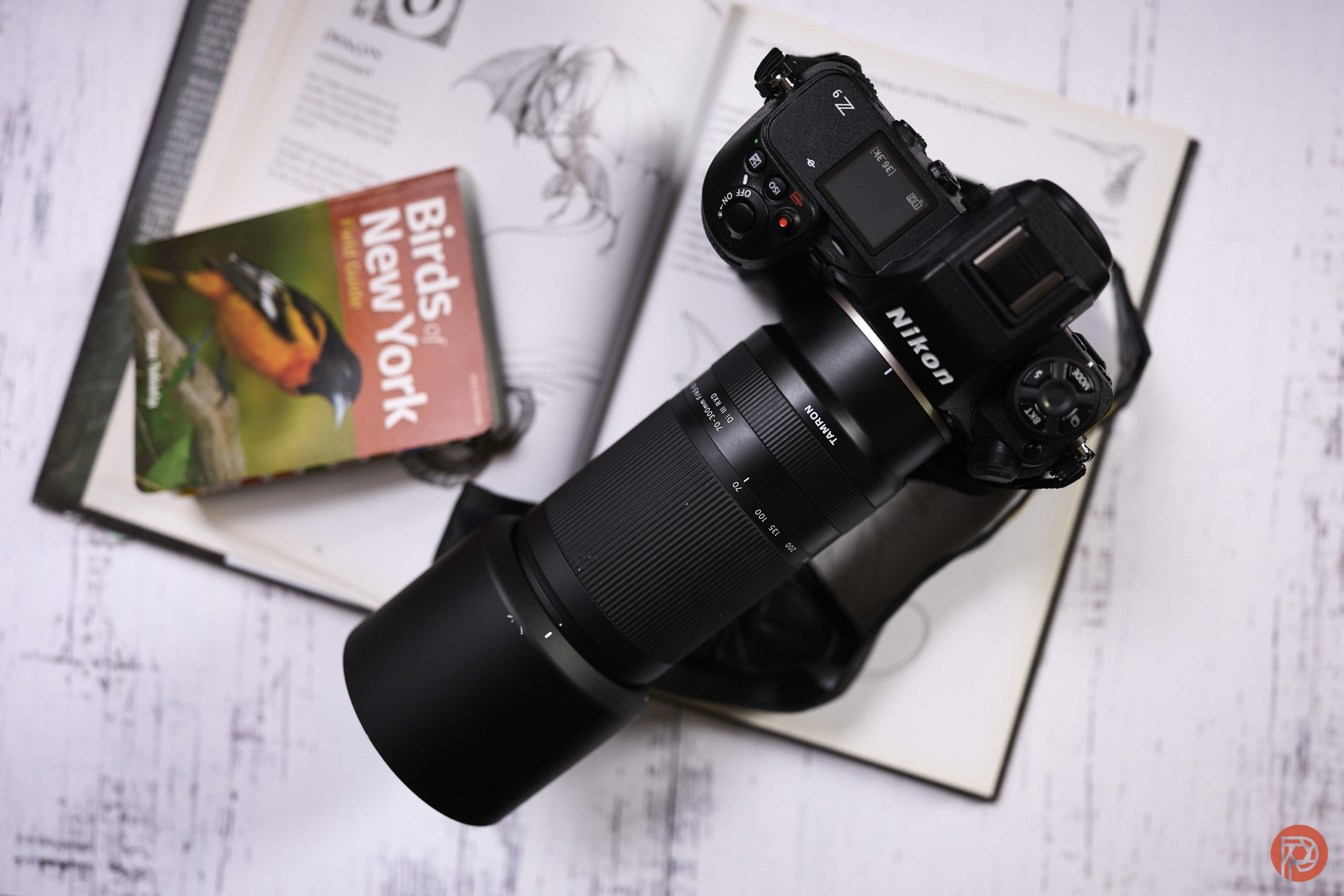
Portrait photographers often rely on faster lenses that result in nice bokeh. While they can often be expensive, one must also remember that third-party lenses offer some options that will not break your bank. If you are someone who is looking to buy a lens that costs less than $400, here are two options that will get the deed done.
Viltrox AF 50mm F2 Air

What makes it great? The Viltrox 50mm f2 is a great option, as it weighs 220g, and is ideal for many Nikon users. There is a silent STM motor, nice nano coatings, and is a viable option for those who like minimal trade-offs. There is also a lack of weather sealing, has a plastic build, and is simple to use. There are no clicky aperture dials and a simple rubberized focus ring up front.
Why is it unique? Another plus point is the autofocus, which is the fastest for its time. With firmware 1.0.2, the lens did well with the Nikon Zf, and is pretty exceptional for bright scenes. As for the images, the Viltrox lens provides good colors, and you also get a nice bokeh, which portrait photographers can adore. Low light will only make things better, and you can also use it without a speedlight as well.
The “nifty fifty” is more about an idea than it is a lens. Prime lenses are typically the fastest glass you can buy, and 50mm is the epitome of a Jack-of-all-trades focal length. The final piece of the puzzle is keeping the price low enough, where you can get image quality that far exceeds what you’d pay. The Viltrox AF 50mm f2 Air manages to not only tick off every box but also surprised me with just how good it was for the price.


Tamron 70-300mm F4.5-6.3 Di III RXD

What makes it great? The Tamron lens features 15 elements in 10 groups, a 2.6 feet minimum focusing, and weighs 1.2 lbs. It offers a large zoom ring and an autofocus ring, both of which have a rubberized texture. The lens is made of plastic, is lightweight, and has good weather sealing as well. It is a simple lens which works well with cameras such as the Z9.
Why is it unique? Priced under $400, the Tamron 70-300mm is ideal for bird photography. This means it works well with full frame camera, and with the right camera, you get good autofocus control. The bokeh is quite beautiful, and the colors are pretty vibrant as well. The images are sharp, chromatic abberration is limited and has a strong contrast. A modern lens, the 70-300mm can do a lot for young photographers who want something unique.
The autofocus on the Tamron 70-300mm is still very, very good. I regularly set up bird feeders on my balconies to attract wildlife for the purpose of photographing in my reviews. These regular visits from Woodpeckers, Tufted Titmice, Sparrows, Cardinals, and Robins have all given me lots of great opportunities to photograph them with this lens.


Get rid of the ads!
Did you enjoy reading this article as much as we enjoyed writing it? There's a way to support us and our reporting, getting ad-free navigation and more as a bonus. Subscribe to us for less than a coffee per month —just $3.99— or take advantage of our yearly subscription with a hefty discount for only $25.- An ad-free experience
- A free mystery box for Lightroom or Capture One
- All the books in our store
- 20% discount on Capture One
- 30% discount on Imalume Photo Theft Protection
- 20% off Herbs and Kettle Tea Company.
- 20% off your order from MPIX printing services.
- 5% off Viltrox Products via their eCommerce store.
- 10% off all film developing, printing and scanning services from Blue Moon Camera and Machine
- 15% off 7Artisans products: The lens and accessory maker is offering a sweet discount for Phoblographer's readers.