

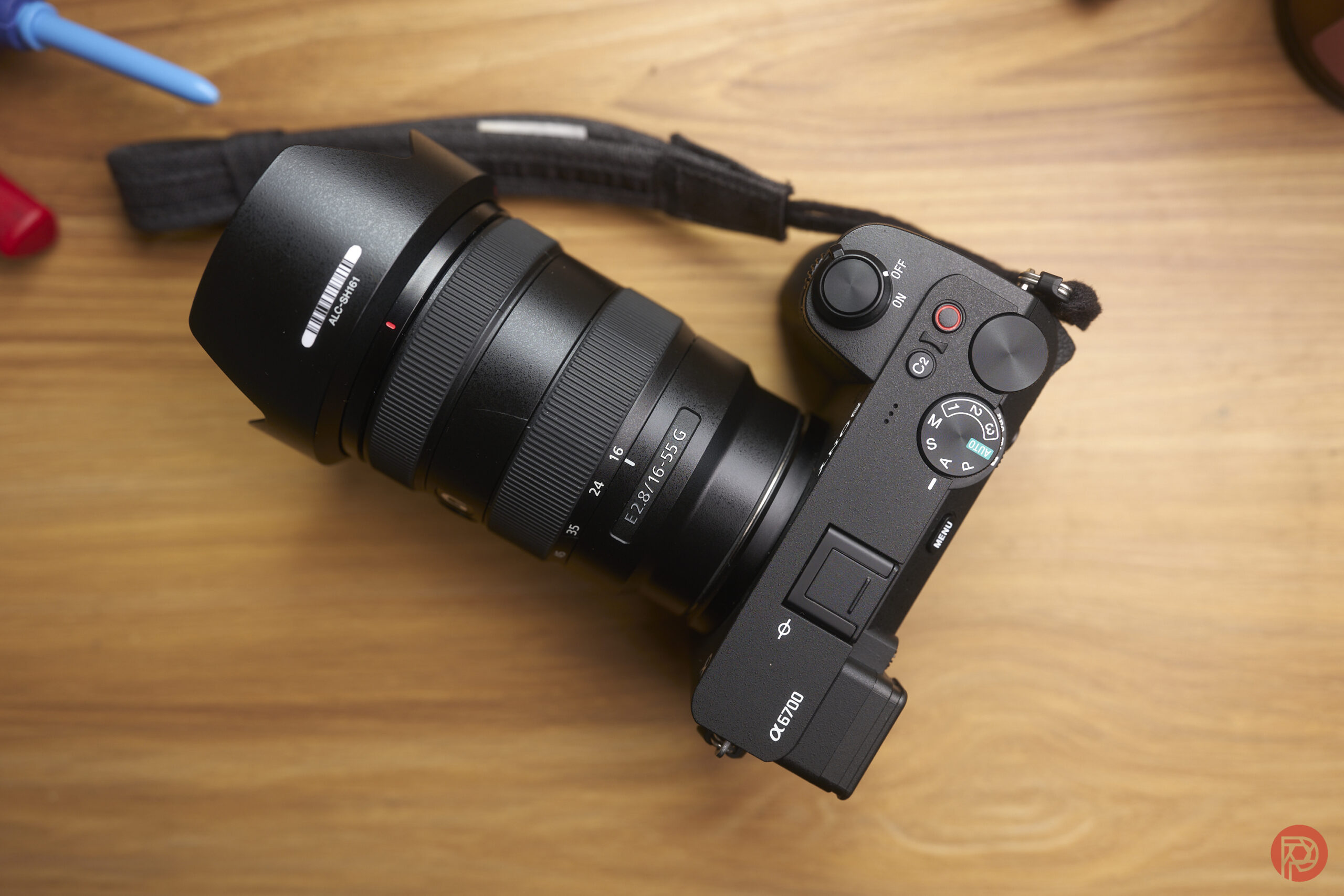
Sony has built some wonderful cameras over the years. The NEX series, for instance, was loved by millions, and so were the a99 cameras. While Sony’s focus has entirely been on full frame and cinema cameras, reports suggest that the resurgence of APS-C is something many brands are missing. Here is a look at the three cameras that Sony can think of introducing.
According to Sony Alpha Rumors, the company’s representatives have revealed that APS-C cameras have “steadily increased over the years.” Map Camera’s annual sale, for instance, showcased APS-C devices taking the top spots. Fujifilm X-M5 and X-E5 are some examples. While Sony had its own cameras, they were just a7C II and a7 IV, which were full frame models. Not that Sony does not have APS-C models, but they are not as exciting.
A Beginner APS-C E-Mount Camera
The only entry point camera is the ZV-E10 II, which is designed for content creators rather than photographers. Sony does not have the equivalent of cameras like the X-E5 or so, or the Nikon Z50 II, which is about the $700-$800 price tag. Sony has some of the best autofocus systems in the world, and if they manage to release something that caters to a beginner-friendly market, they will certainly win. A clean, simple body, with auto modes, easy to navigate manu, and a nice sensor can really be of help for those looking to upgrade from their phones. First-time camera buyers will certainly choose such options over other models, given how Sony has managed to release some truly exciting technology over the years. This way, one will also get the advantage of choice rather than just sticking to Canon or Fujifilm.
A Fashionable Camera
The best examples of this are Fujifilm X100Vi and Nikon Zf. While the latter is a full frame, both support classic, retro-build, which is what young photographers are after. You also have Panasonic’s S9, a rangefinder-style camera without a viewfinder. Yet, the range of lenses that all three offer is great, making retro-cameras fun again.
Sony only offers the RX1R MK II in the stylish camera segment, but the model is a luxury camera, with obvious flaws. This leaves a huge hole in the APS-C segment from Sony. A retro-looking camera with integrated EVF, dials, and a weather-sealed build can be great for those looking at $1500 price range options. Sony had created some truly stylish compact models in the early 2000s, which proves they have what it takes to blend design and technology. The question is, when will that translate for photographers of today?
The Reported Sony A7000
The a6000 series has been the go-to option for many young photographers and serious enthusiasts. With Sony’s cameras open to third-party mounts, a6000 becomes a decent investment for those who want more lenses. While there are discussions of a7000 replacing the older camera, there have been no real revelations in this domain.
In that regard, if the company introduces a camera that is $2000, but is like a mini a1, it can certainly be chosen by wildlife and bird photographers. The APS-C sensor can give one advantage of crop, with a 400mm lens becoming a 600mm equivalent and so on. With AI subject recognition, it can easily compete with Fujifilm X-H2 and X-H2s, both of which are loved by midlife and serious photographers. Canon also offers the R7, which is a fabulous camera in many ways. Keeping this in mind, Sony should get a device to own their vast lens range.
Fujifilm, as a brand, has built the APS-C ecosystem when most companies were abandoning them. And today, they are reaping rewards. If Sony manages to pick up the pace, they, too, will get there.
Get rid of the ads!
Did you enjoy reading this article as much as we enjoyed writing it? There's a way to support us and our reporting, getting ad-free navigation and more as a bonus. Subscribe to us for less than a coffee per month —just $3.99— or take advantage of our yearly subscription with a hefty discount for only $25.- An ad-free experience
- A free mystery box for Lightroom or Capture One
- All the books in our store
- 20% discount on Capture One
- 30% discount on Imalume Photo Theft Protection
- 20% off Herbs and Kettle Tea Company.
- 20% off your order from MPIX printing services.
- 5% off Viltrox Products via their eCommerce store.
- 10% off all film developing, printing and scanning services from Blue Moon Camera and Machine
- 15% off 7Artisans products: The lens and accessory maker is offering a sweet discount for Phoblographer's readers.
- 15% off a VSCO One subscription: Get a bunch of great tools with their all-in-one package.