

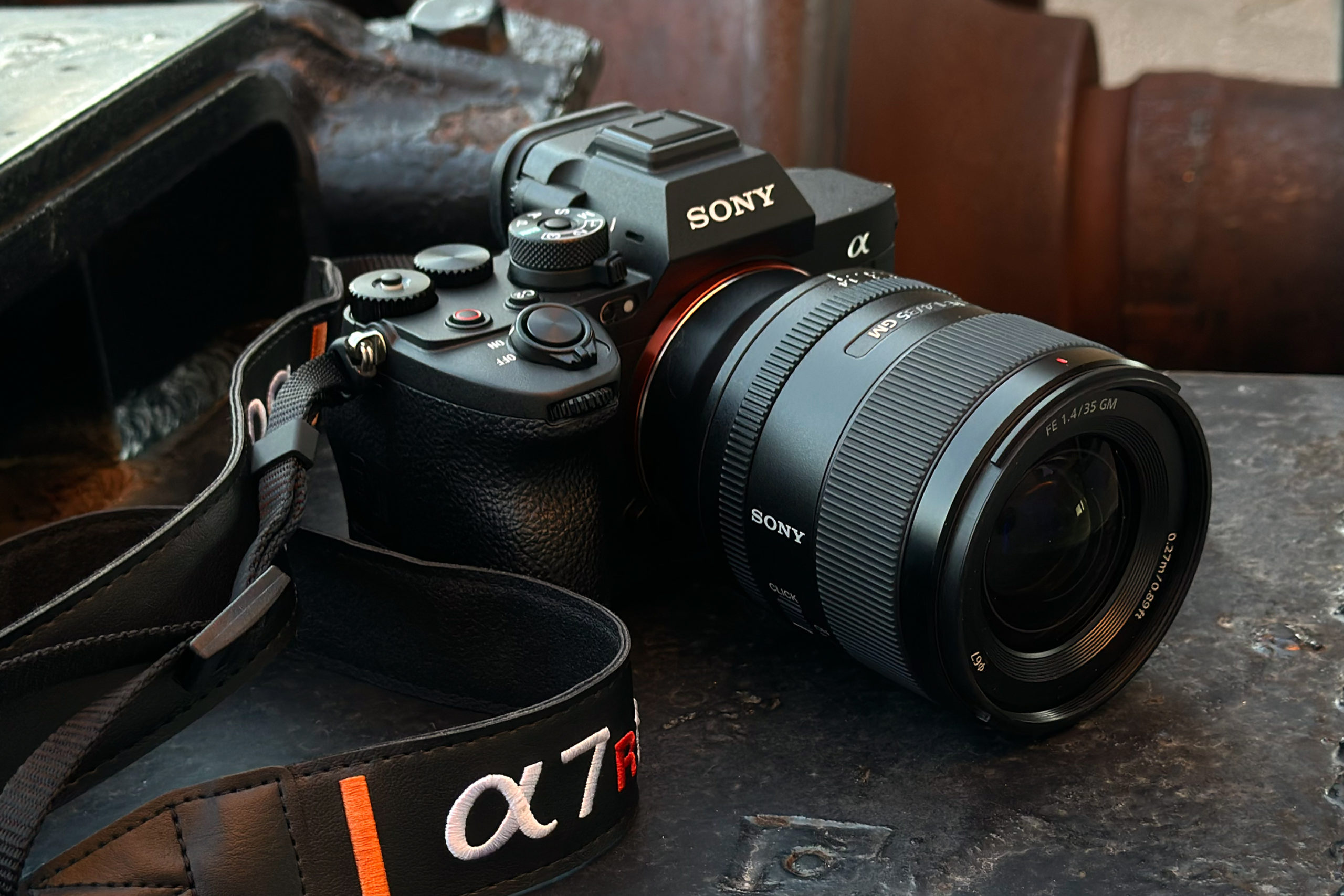
When it comes to choosing the best mirrorless cameras, Sony is one name that often pops up. Whether you are a beginner or a seasoned photographer, Sony has a vast range of offerings for your varying needs. The a7 series, for instance, has multiple cameras that are better suited for people of different backgrounds. The a7R, being the one with the most megapixels, is loved by professionals. And, it appears that the series updated device will even outrun the a1 II.
According to Sony Alpha Rumors, three sources have confirmed that the next model will the a7R VI. What’s so far confirmed is that the new camera will have a 67MP sensor, a new body design, and will be shipped in May. In fact, we even wrote about how the 67MP sensor will be partially or completely stacked sensor. While there is no confirmation on this, the reports have excited people.
However, there is a new source that has further revealed the specs of the camera to SAR. The unconfirmed specs include:
- 67MP Exmor RS stacked CMOS (non-partially stacked) with BIONZ XR2 processor and High-Bandwidth LSI
- Up to 8.5 stops of IBIS compensation
- 30fps in 14-bit RAW via electronic shutter
- 1/60s read out in 14-bit electronic shutter mode with full AE/AF
- New professional AI AF model with significantly improved accuracy
- 16 stops in mechanical shutter mode via Dual Conversion Gain HDR (DCG-HDR)
- 10K oversampling 8K/30p; dual 5K oversampling 4K/30p and 4K/60p; dual 5K oversampling 4K/120p with Angle of View Priority mode
- 6.4K oversampling 4K/30p and 4K/60p; 6.4K oversampling 4K/120p with Angle of View Priority mode
- 9.44-million-dot OLED with grayscale correction and high brightness
- Triple-band Wi-Fi (6GHz / 5GHz / 2.4GHz)
- Support for importing custom looks from Sony’s Creators’ App
For now, the a7R VI’s specs appear like the camera is designed for hybrid use. Given the a1 II features a 50MP sensor, has a BIONZ XR and AI Processing Unit, and captures 20fps in 14-bit, 30fps in 12-bit. This truly puts the a7R VI ahead on paper.
However, the difference is the readout speed gap. The a1 II has a 1/250s readout, which helps it avoid rolling shutter distortion in sports and action photography. If the a7R VI really offers 1/60s, it will be suited for landscape, studio, and slower wildlife photography. The a7R VI can better cater to the above genres which it was initially designed for.
For now, it is unclear whether the company will actually release a camera of these specs or not. It is possible that the camera may not feature any of these things.
However, the report has led to debate about whether the specs hold up, particularly the stacked sensor, 30fps burst, and 16-stop dynamic range. Others believe it will “cannibalize” the a1 lineup, since the a7R VI can offer similar specs at a lower price range. There is also the discourse that Sony is unlikely to undercut its $7,000 flagship, and that the camera may simply end up priced similarly to the a1 II.
It remains to be seen what Sony finally unveils. But the hope is that the camera that is finally revealed certainly caters to the demands of many photographers.
Get rid of the ads!
Did you enjoy reading this article as much as we enjoyed writing it? There's a way to support us and our reporting, getting ad-free navigation and more as a bonus. Subscribe to us for less than a coffee per month —just $3.99— or take advantage of our yearly subscription with a hefty discount for only $25.- An ad-free experience
- A free mystery box for Lightroom or Capture One
- All the books in our store
- 20% discount on Capture One
- 30% discount on Imalume Photo Theft Protection
- 20% off Herbs and Kettle Tea Company.
- 20% off your order from MPIX printing services.
- 5% off Viltrox Products via their eCommerce store.
- 10% off all film developing, printing and scanning services from Blue Moon Camera and Machine
- 15% off 7Artisans products: The lens and accessory maker is offering a sweet discount for Phoblographer's readers.