


February is low vision awareness month. We can all agree that vision is insanely important to a photographer. But did you know that even if you don’t have perfect vision, you can still do photography? Here’s a little something you may not know: I’m legally blind. Yes, the Editor in Chief of the Phoblographer has a condition called kerataconus. And to that end, I’m considered low-vision. Yet I still continue to persevere. Here are three other photographers I chose to share the stories of even though we’ve interviewed many blind and low vision photographers over the years.
All images used with permission from the photographers in our interviews. Lead image by Chris Gampat.
Nathan Wirth

Photographer Nathan Wirth is a surreal landscape photographer who loves to go make images when the weather is really bad. Here’s a tidbit from one of the interviews we’ve done with him.
Sometimes when I am out in nature with a camera, I take off my glasses and look at the blurry, fuzzy world that I would have to live in if I had no glasses. And then I will look at the LED screen and see what I am actually looking at. Also—I have never been interested in capturing the world as it is. I suppose this has a lot to do with my fascination with black and white. I wish, again, to simply create—and I wish to create black and white images even if I must sometimes squint and must always wear glasses to safely navigate through the world.
Tammy Ruggles
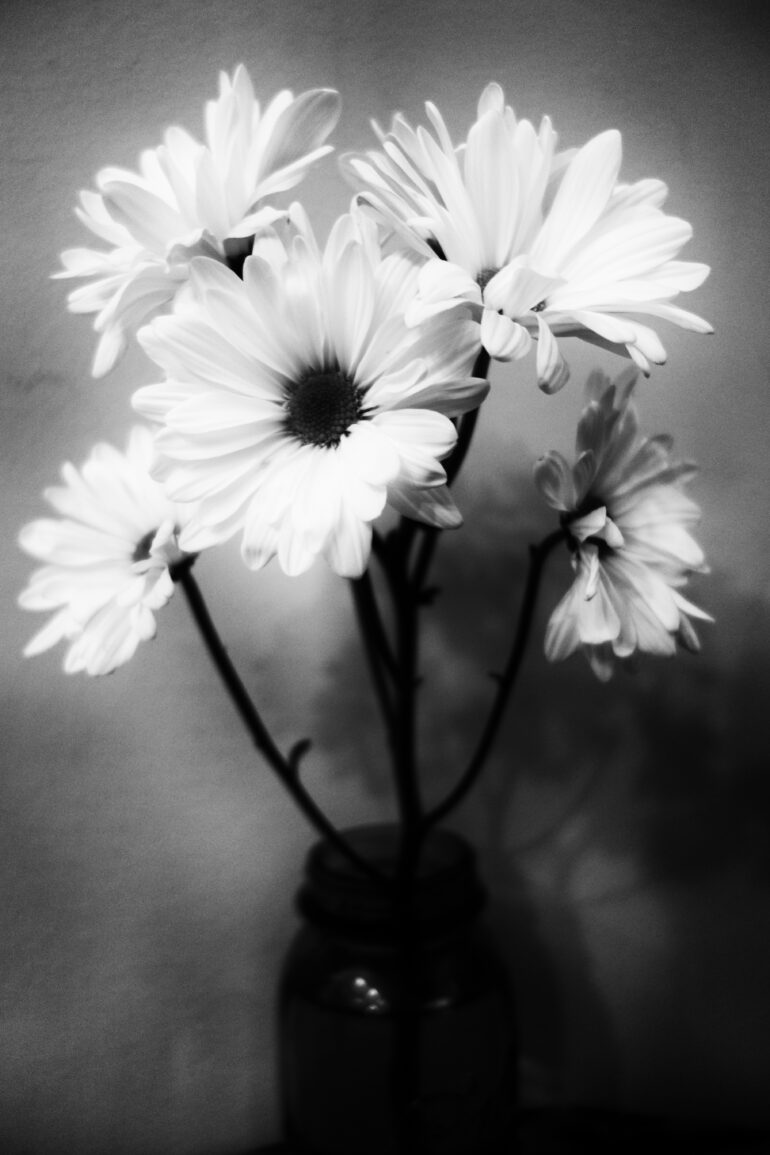
Photographer Tammy Ruggles makes images with a Sony RX100 series camera in a way that looks both classic and ethereal. Here’s a tidbit from an interview we did with her:
Retinitis Pigmentosa is different for everyone, as Tammy explains. For her, everything is extremely blurry. On top of that, it’s also like looking through fog. “I don’t see details, just basic shapes and colors,” she tells us. “The closer I am to something, like a few inches away, the better I can see. That’s why zooming in is so helpful to my photography.” The Sony RX100 series cameras help make zooming in on the details pretty simple with their 1″ sensor and the useful zoom lens.
Walter Rothwell
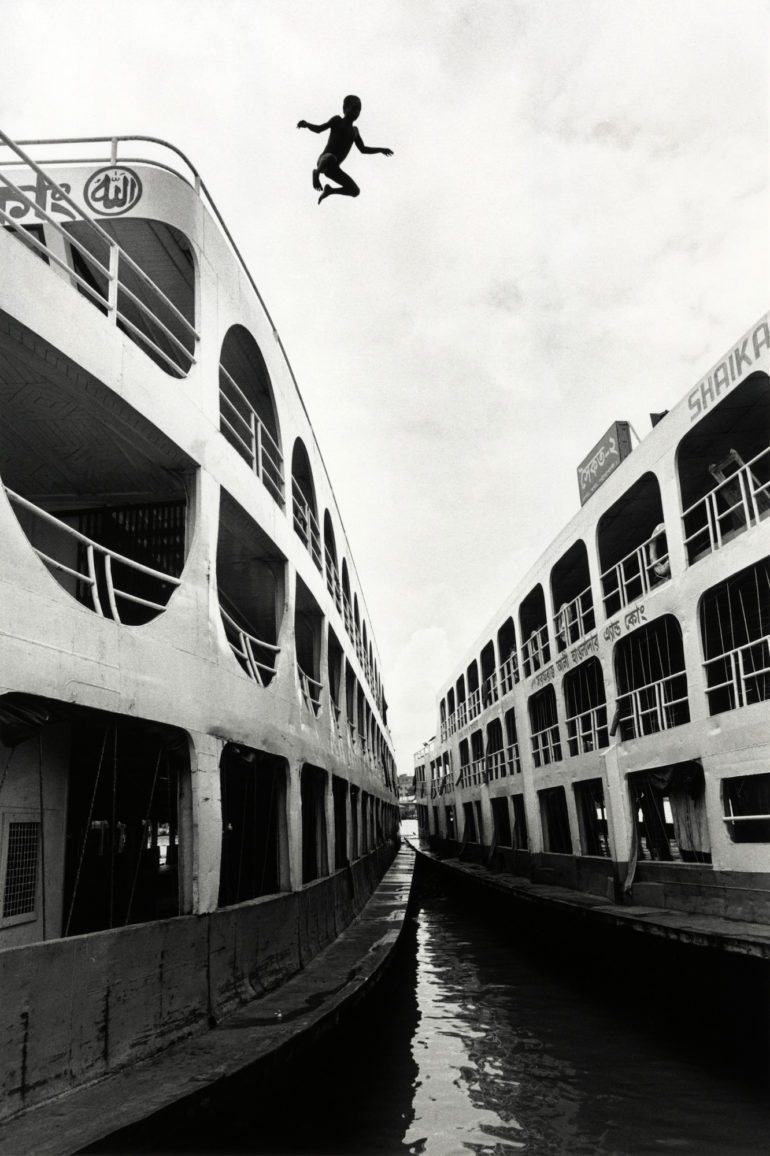
If you haven’t heard of Walter Rothwell or seen his work, it’s very surreal in so many different ways. Here’s a tidbit from one of the interviews we’ve done with Walter.
“Over time I had come to cherish my strange vision, if I closed my right eye everything was reduced to fuzzy light and dark shapes, only the largest features were discernible. With the double vision it meant I always had an out of focus image sitting to the right and slightly above my normal vision. I could play with the second image, moving my eye and bringing the second image in line with the first, just to liven things up a bit! When I first started photography it felt totally natural, seeing and composing through one eye was something I had been doing for years. I felt an immediate affinity with the camera in a way I had never experienced before; something clicked, I knew I had found what I wanted to do. Over time I developed a better understanding and love for the medium, its ability to capture beautiful, humorous or poignant moments from everyday life. Seeing and thinking in terms of photographs has become as much a part of me as breathing or blinking, I can’t help it.”
Get rid of the ads!
Did you enjoy reading this article as much as we enjoyed writing it? There's a way to support us and our reporting, getting ad-free navigation and more as a bonus. Subscribe to us for less than a coffee per month —just $3.99— or take advantage of our yearly subscription with a hefty discount for only $25.- An ad-free experience
- A free mystery box for Lightroom or Capture One
- All the books in our store
- 20% discount on Capture One
- 30% discount on Imalume Photo Theft Protection
- 20% off Herbs and Kettle Tea Company.
- 20% off your order from MPIX printing services.