


Last Updated on 01/19/2026 by Chris Gampat
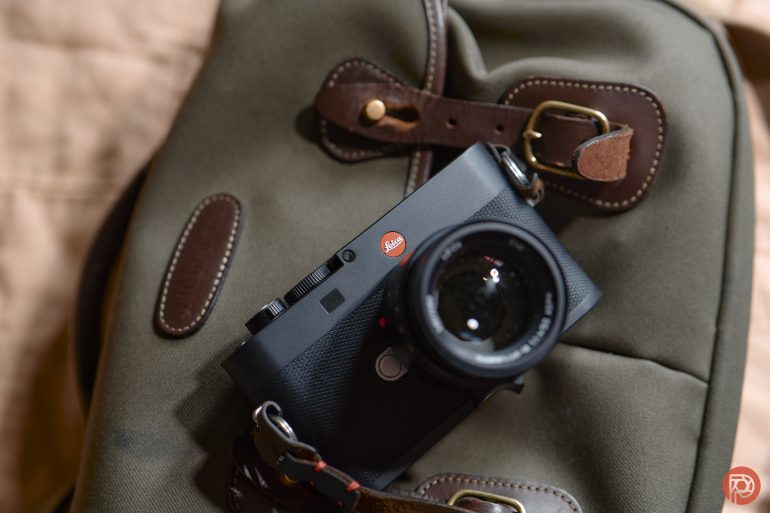
I know that there’s a select, small, and vocal minority of people who email me to complain about how I mix politics into photography and our hobby/industry. And the title of this article is my attempt to awaken you with the waters of reality as I pour it onto your face. Everyone in Europe is scared right now — if not from Putin, it’s from Trump. What many folks are really not realizing, however, is that Trump is about to hurt Leica. After that, he’s probably going to hurt all the other camera manufacturers.
According to a press release issued by Global Data, “President Donald Trump issued a tariff ultimatum targeting eight European allies: Denmark, Norway, Sweden, Finland, France, Germany, the Netherlands, and the UK,” it states. “A 10% tariff is set to take effect on 1 February, rising to 25% on 1 June unless an agreement is reached on the ‘complete and total purchase of Greenland.'”
During his first presidency, Trump imposed tariffs on Germany and Leica camera (which is based there) ate the fees. After the tariffs ended, they temporarily raised their prices to offset the impact. We’ve reported a lot on tariffs in the past, and they’ve made it very difficult for consumer electronics in general. A long-time representative of one of the camera companies was recently let go and got on a call with me to explain a whole lot. They told me their former employer and brand is doing very well, but the tariffs are making it so difficult to get anything done. So it’s ultimately affecting global supply.
To make this relatable to the common person, let me explain in bullet points:
- Manufacturers announce a product and set its price.
- Pre-orders go in, and the brand promises delivery by February.
- Manufacturers may order parts in January to make their product.
- In between January and February, a tariff is announced that affects the product.
- In this case, a manufacturer loses 10% of their profits.
- Fewer people want to buy the product as a result.
- Sales happen more slowly or not at all because people buy used products or products from another brand
The solution would be for Leica to make things in America. However, that’s not possible because we don’t have the manufacturing capabilities or the talent to do this. More importantly, most Americans and Westerners from the Northern Hemisphere don’t want to work in a factory or do very hard manual labor. I, being the descendant of Subcontinental Indians who were enslaved by the British and brought to the Caribbean, know this first-hand. Specialized repairs to camera gear can also no longer always be done here. The brands used to work with authorized repair companies, but took those repair certifications away for what I believe was a combination of greed and the specialized repair people retiring and aging out. In fact, I remember this pretty vividly during the late 2000s and early 2010s.
But after Trump is done with Europe, who’s to say that he won’t try to go after other areas that affect manufacturing? He could call off the current treaty with Japan tomorrow if he wanted to. And he could also impose even more tariffs on China and other places.
So what can Americans do about this? Well, a few things:
- Protest against this so that the world can recover and adapt
- Write to your Senator about how you don’t support any more invasions
- Buy used gear instead, as the second-hand market may be a better place to get products.
- Remember that you don’t NEED a new camera or new camera gear. You want it, or sometimes it just makes your job easier. But less is more at times.
- Buy third-party gear instead
- Repair your camera gear and insure it. Because manufacturers don’t even honor their own warranties for weather resistance, we created an insurance program to help with this.
This year looks pretty rocky for consumer electronics in general. But the camera industry should’ve adapted a long time ago and willingly chose not to. Instead of going after the luxury market the way that the watch industry did when the smartphone killed their sales, the camera market in general went head-on for video creators.
This whole thing might make it much harder for those brands to appeal to photographers anymore.
Get rid of the ads!
Did you enjoy reading this article as much as we enjoyed writing it? There's a way to support us and our reporting, getting ad-free navigation and more as a bonus. Subscribe to us for less than a coffee per month —just $3.99— or take advantage of our yearly subscription with a hefty discount for only $25.- An ad-free experience
- A free mystery box for Lightroom or Capture One
- All the books in our store
- 20% discount on Capture One
- 30% discount on Imalume Photo Theft Protection
- 20% off Herbs and Kettle Tea Company.
- 20% off your order from MPIX printing services.
- 5% off Viltrox Products via their eCommerce store.
- 10% off all film developing, printing and scanning services from Blue Moon Camera and Machine
- 15% off 7Artisans products: The lens and accessory maker is offering a sweet discount for Phoblographer's readers.