


Sony cameras have been the first to pivot to mirrorless. The company saw the potential long before anyone else, and they decided to turn the lesser-known format into a profitable business. Over the past decade or so, the company has continued to push boundaries, introducing new cameras for different genres and skill sets of photographers. Today, we examine the two cameras that define the brand and what they represent.
Sony a1 II for Pixel Demanding Pros
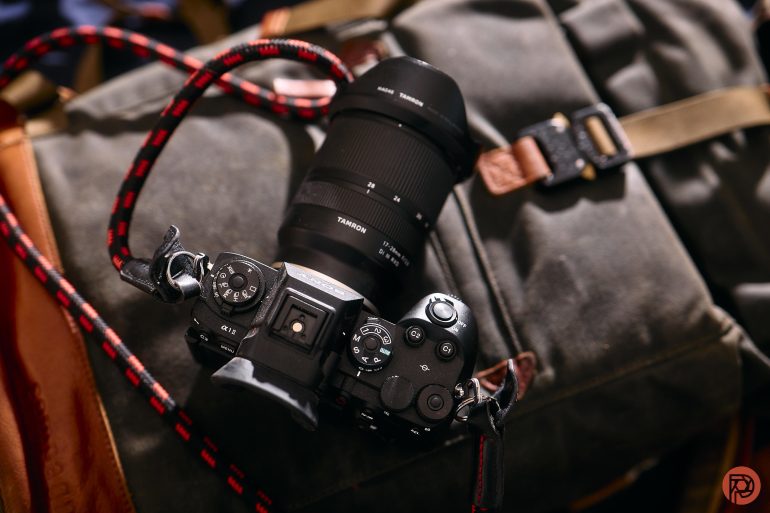
Why is it great? The a1 II is the highest megapixel camera in Sony’s lineup, and it offers a sturdy build as well as a custom function button. The autofocus is great; it can track the subject with ease. With the new updates, the camera can focus on people of color with much more ease. The camera’s battery is quite impressive, and the image quality, as one would expect, is excellent. With in-camera presets and LUTs, you can give your photographs the look and feel you desire. Overall, you get a camera that can do it all and is one of the reliable cameras out there.
Who is it for? Professional photographers specializing in portraits, sports, events, weddings, and commercial genres. This camera is ideal for photographers specializing in capturing people, and those working across multiple genres will likely appreciate it.
What makes it so special? The a1 II is the highest megapixel camera, 50MP to be precise, and it comes with multiple features that can help professionals. The new model also features the “ability to autofocus on people of color in low light,” marking a first in Sony’s lineup. It also has 8.5 stops of image stabilisation, an AI chip (a massive first), and Pre-Capture.
In our review, we said:
The Sony a1 II is worth the upgrade if you photograph people and events. It, by far, does the best job at autofocusing on people of color in low light in the realm of Sony cameras.



Sony a9 III for Innovation and Speed

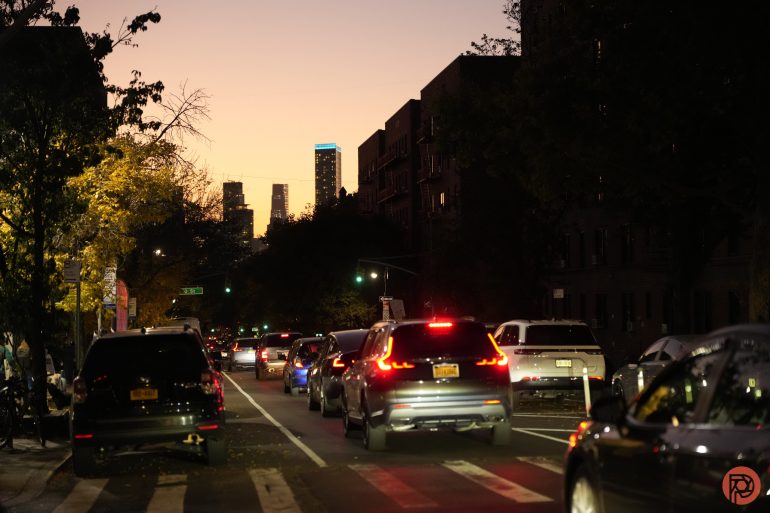
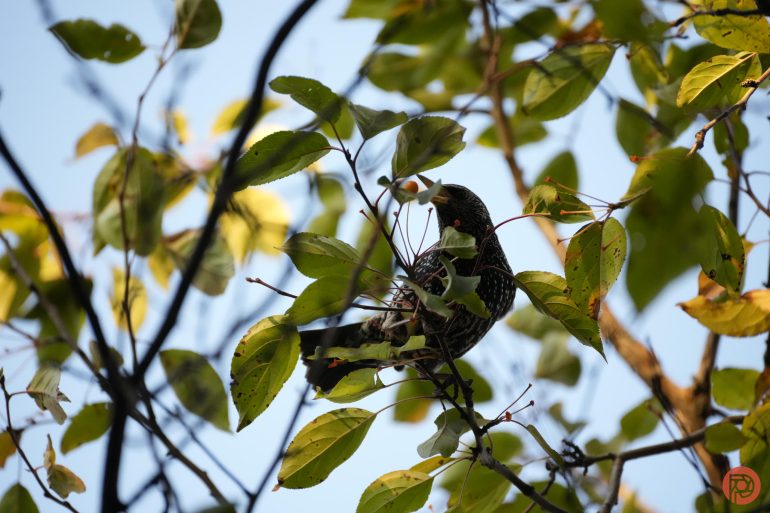
Why is it great? The Sony a9 III is a truly innovative camera. The camera is perfect for those who depend on flash, such as studio or portrait photographers. The device is well-built, and its design is similar to that of other Sony cameras, which means you won’t get lost anytime soon. The focus is generally good for most situations, but this camera struggles to focus well on people of color. The image quality is nice, and the reproduction of skin color is good. If you examine the dynamic range, you have a lot to work with. As for the high ISO setting, you can shoot up to ISO 12,800 with ease.
Who is it for? People who use strobes, wildlife, sports photography, wedding photography, and photojournalists. Photographers who need speed will also appreciate it.
What makes it so special? The Sony a9 III is the first photo-centric camera to feature a global shutter, allowing you to sync your flash at any shutter speed. It also means you can achieve shutter speeds of up to 1/80,000 in single-shot mode and burst speeds of up to 1/16,000. Moreover, you can shoot at 120fps, along with tracking features, and it is the first camera in Sony’s system to feature pre-capture. You also get an EVF with a 9.44 million-dot OLED display and a 120 fps refresh rate at the highest quality, or 240 fps with reduced quality.
In our review, we said:
But perhaps the greatest innovation is the global shutter. While I miss the fact that I could physically feel the shutter, I’ll accept that it comes with new technology that makes strobism even better. If you’re a photographer that uses a lot of off-camera flash, then this is the single best camera you can get on the market right now.








Get rid of the ads!
Did you enjoy reading this article as much as we enjoyed writing it? There's a way to support us and our reporting, getting ad-free navigation and more as a bonus. Subscribe to us for less than a coffee per month —just $3.99— or take advantage of our yearly subscription with a hefty discount for only $25.- An ad-free experience
- A free mystery box for Lightroom or Capture One
- All the books in our store
- 20% discount on Capture One
- 30% discount on Imalume Photo Theft Protection
- 20% off Herbs and Kettle Tea Company.
- 20% off your order from MPIX printing services.
- 5% off Viltrox Products via their eCommerce store.
- 10% off all film developing, printing and scanning services from Blue Moon Camera and Machine
- 15% off 7Artisans products: The lens and accessory maker is offering a sweet discount for Phoblographer's readers.