

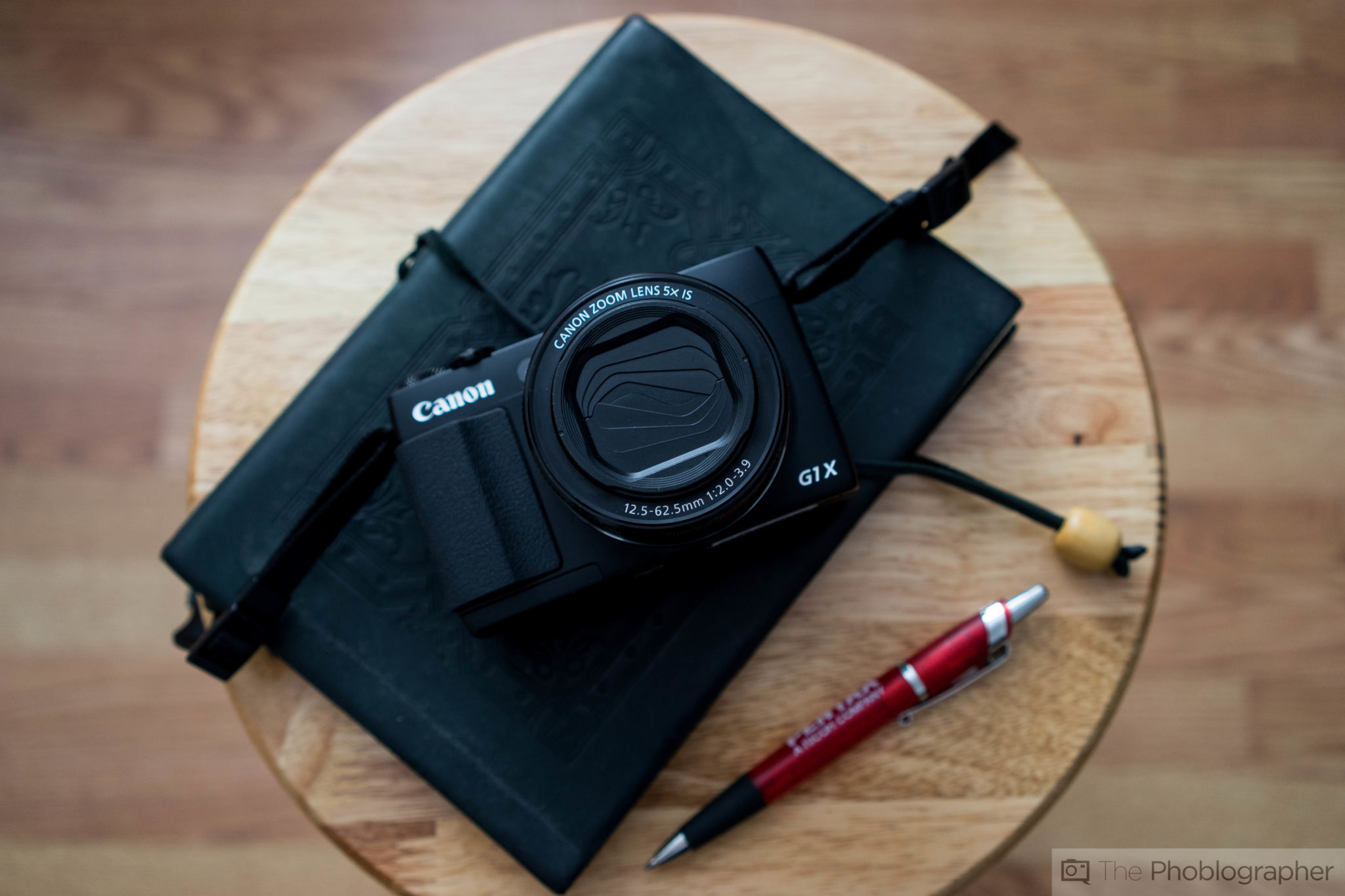
Canon has created some exceptional compact cameras over the years. The company has introduced models such as G7 X, S95, Pro1, and the IXUS series, which have a cult following around the world. While these devices have won over people, there is one that continues to shine even today: Canon G1X Mk II. Here is a quick peek into the past and what made this device so important for its time. Perhaps, even today.
Launched in 2014, the Canon G1X Mk II offered significant upgrades over its predecessor. The G1X was not inherently a bad camera, but it had serious issues with high ISO and autofocusing issues, both of which would slow down photographers. As a result, came the G1X Mk II, which featured a faster lens, more modern camera processing, and the correction of the previous issues.

However, the device featured a slightly lower resolution sensor. The G1X had a 14MP 1.5-inch CMOS sensor while the G1X Mk II housed a 12.8MP one. The camera, however, featured a DIGIC 6 processor, an upgrade from DIGIC 5, a wider lens range of 24-120mm (previously 28-112mm), and an LCD with a 1,040k-dot resolution. There was also a Full HD video recording at 30fps, a bump up from 24fps, a 5.2fps burst rate, built-in Wi-Fi, and an image stabilizer, albeit optically.
While the design was similar to its predecessor, it was certainly well-built. Although it lacked weather sealing at that time, it was designed for both serious enthusiasts and casual shooters. There was an auto mode for the latter, while the former can rely on 14-bit RAW and a simple menu to navigate with.

What was interesting was that while the G1X had a slow autofocus, the G1X Mk II improved it, but not too drastically. It performed well, but there were instances where we missed some shots. However, where the autofocus struggled a bit, the company made up for it in the image department.
The photographs have been saturated and vivid, making them ideal for various scenarios. As we said in our review, “Most people traveling, shooting street photography, or even looking for a nice companion camera will enjoy the images that this camera can capture. Coupled with the fact that the attached lens is super sharp and can give you lots of nice bokeh in the right situations, it seems like this is a no-brainer.” Just like JEPGs, the RAW files were also able to pull details if you shoot images one and a half stops overexposed.
The company also addressed the high ISO challenges, as the final results from the Canon G1x Mk II came close to those of the Micro Four Thirds cameras. “In essence, that means that it is pretty damned good. Sure, you’ll see grain at 100%–but you’ll see that with most cameras,” as we revealed. Due to these reasons, the camera was the runner-up of our Editor’s Choice Awards of 2014. The camera may not be entirely innovative, but it certainly demonstrated that there is room for improvement. And today, the device has made a comeback, with many young users seeking it out for its image quality and sense of nostalgia. If this revival isn’t proof of what compact cameras can achieve, then I don’t know what else will.
Get rid of the ads!
Did you enjoy reading this article as much as we enjoyed writing it? There's a way to support us and our reporting, getting ad-free navigation and more as a bonus. Subscribe to us for less than a coffee per month —just $3.99— or take advantage of our yearly subscription with a hefty discount for only $25.- An ad-free experience
- A free mystery box for Lightroom or Capture One
- All the books in our store
- 20% discount on Capture One
- 30% discount on Imalume Photo Theft Protection
- 20% off Herbs and Kettle Tea Company.
- 20% off your order from MPIX printing services.
- 5% off Viltrox Products via their eCommerce store.
- 10% off all film developing, printing and scanning services from Blue Moon Camera and Machine
- 15% off 7Artisans products: The lens and accessory maker is offering a sweet discount for Phoblographer's readers.