

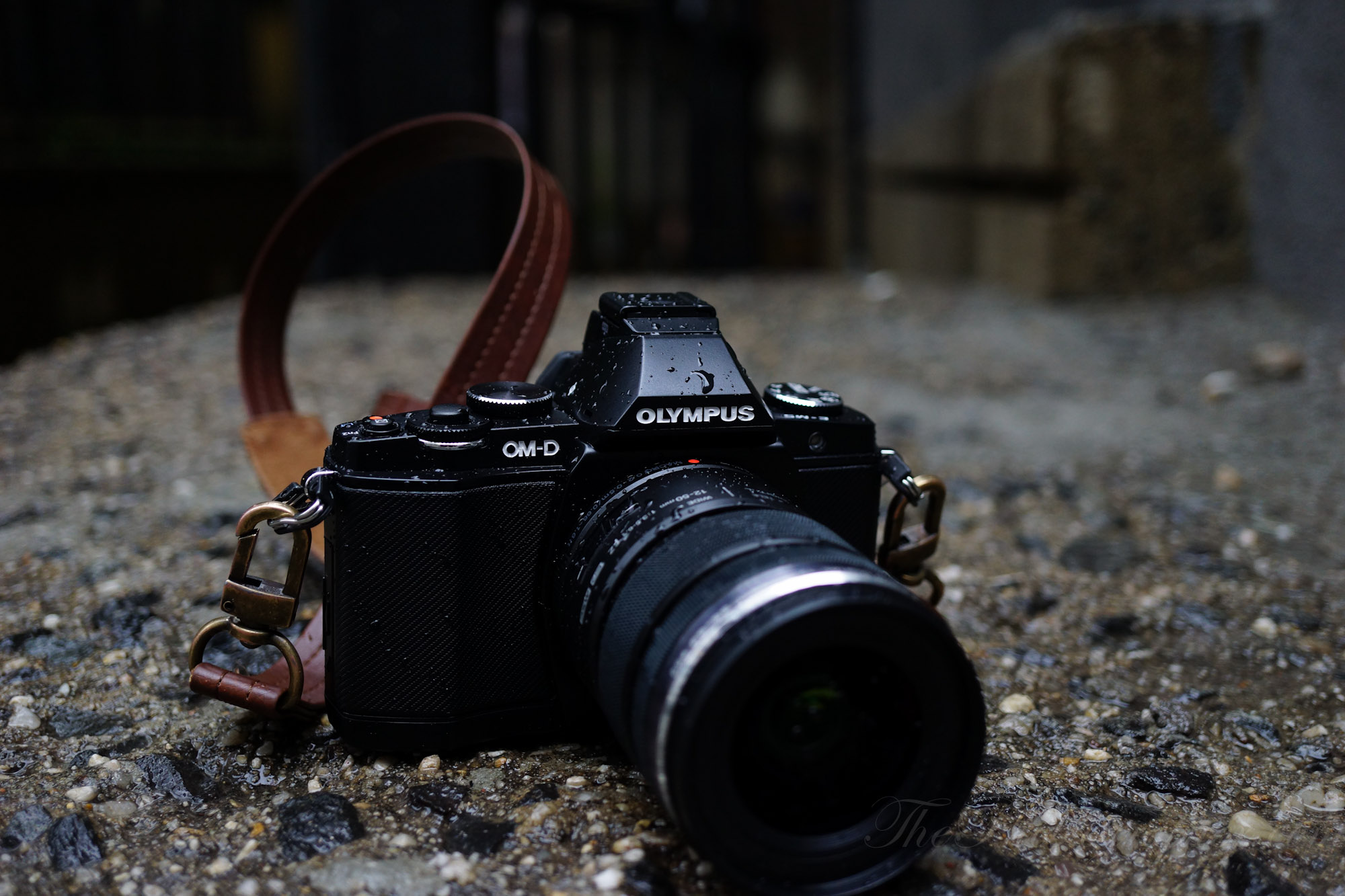
When the Olympus EM5 made its way into the world and I reviewed it in 2012, I was amazed at what Olympus had done. The company mostly eliminated their Olympus Blue signature look that they were known for. Instead, they embraced the look of what their sensors did and added warmth. This time around though, they weren’t using a Kodak sensor. Instead, it was a first generation of Sony sensors. To me, this camera and this time period represent an era of peak Micro Four Thirds. With so many photographers these days reaching for those older Kodak sensor cameras, it’s easy to see that they’re not really available all that easily anymore and that the sensors are bound to start corroding. But thankfully, the EM5 is the closest thing that you can get.
Besides having colors similar to the older Kodak sensor, the Olympus EM5 had a few other really great benefits. It boasted real weather resistance — so it meant that it would last the test of time a lot better than most other cameras. The autofocus was fast and accurate. And perhaps most important, ISO 6400 was very usable. On top of that, there was something about the viewfinder that made manually focusing with lenses really good.
But let’s get back to the image quality. In my review, I literally stated this: “In fact, the new EM5 16MP sensor renders images like a combination of Kodak Portra and Fuji Pro400 film. And to be even more honest, it can sometimes even be tough to tell the difference between the images I shot with this camera and my Canon 5D Mk II after a tad bit of editing in Lightroom 4.” So ultimately, the image quality looks like a mash up between Kodak sensors, film, and the 5D Mk II.
I mean, doesn’t that sound like a dream right now? At least to me, it does.
Would I pick the EM5 back up in 2025? If I could find it in good condition and I still had a bunch of good Micro Four Thirds lenses (which I do) then I totally would do it. This era of photography is something that is really underappreciated.
Get rid of the ads!
Did you enjoy reading this article as much as we enjoyed writing it? There's a way to support us and our reporting, getting ad-free navigation and more as a bonus. Subscribe to us for less than a coffee per month —just $3.99— or take advantage of our yearly subscription with a hefty discount for only $25.- An ad-free experience
- A free mystery box for Lightroom or Capture One
- All the books in our store
- 20% discount on Capture One
- 30% discount on Imalume Photo Theft Protection
- 20% off Herbs and Kettle Tea Company.
- 20% off your order from MPIX printing services.