

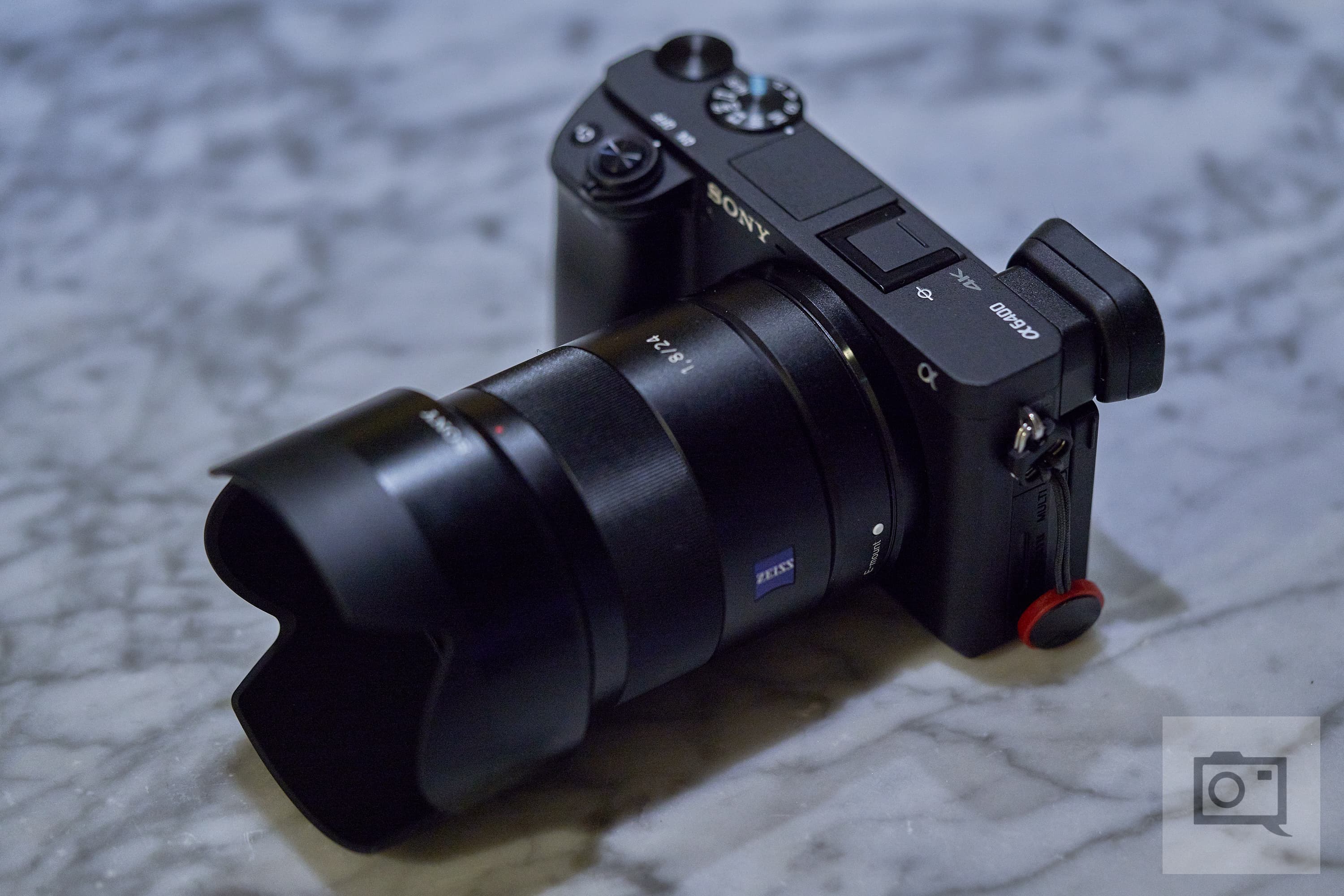
While full frame cameras are popular, APS-C have not lost their appeal. The format has repeatedly outnumbered full frame cameras in many camera sales charts, as they have become more innovative in recent years. With camera prices increasing, an APS-C is quite ideal for beginners to switch from their phones. If you are someone who is also looking for their first digital camera, these options could be the one for you. Have a look.
Canon EOS R7

Canon has created some great APS-C cameras, and the Canon R7 is quite powerful and weather-sealed, just like some of the best. It has a 32MP sensor, a burst rate of 30fps, and the same autofocus as the R3. The device has stabilisation rated to 7 stops, has in-camera multiple exposure and panoramic shot options, and the shutter comes down when you shut off the camera, so that the sensor remains safe when you change the lens. The camera has great autofocus, weather resistance, and the menus are easy to navigate. It is lightweight, has great high ISO output, and the imagstabilisation does so well.
Fujifilm X Pro 3
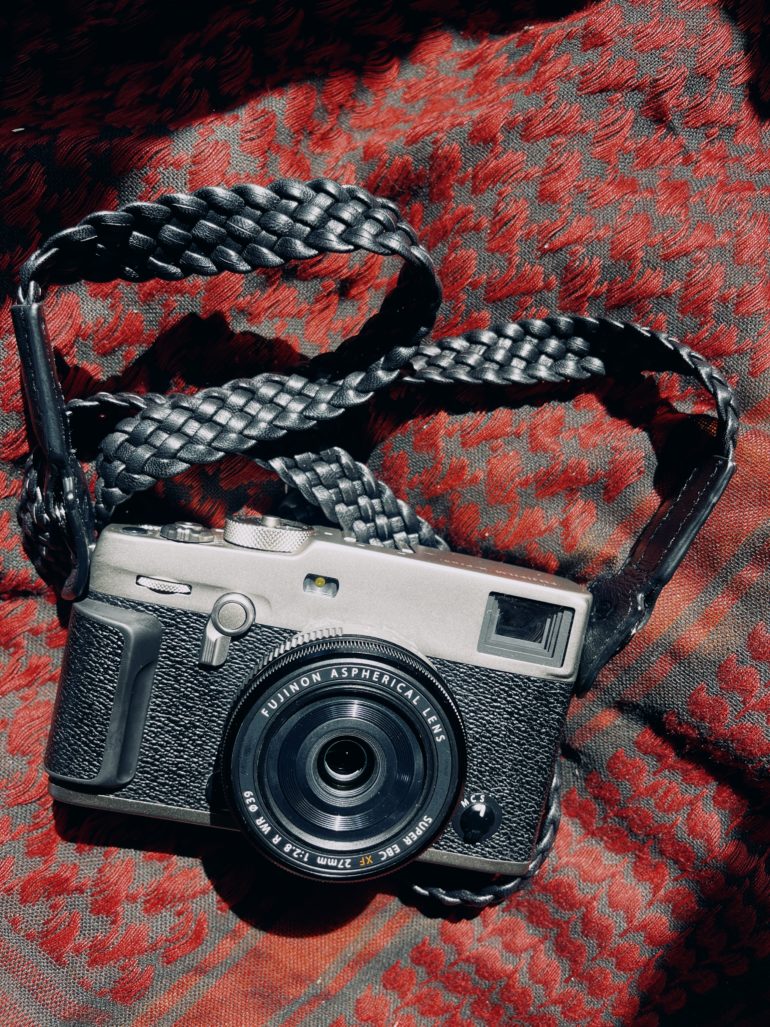
The Fujifilm X Pro 3 is a 26.1 APS-C camera with multiple exposure enhancement and a hidden tilting LCD screen with 180-degree tilting and 1.62 million dots. It can record 4K videos, has a max ISO of up to 12,800, and has weather sealing. The camera excels at film simulations, the autofocus is great, and the multiple exposure mode is just as wonderful. The image quality is nice, and the JPEG images do not need to be edited, either. It’s a device that will not disappoint you. As we said in our review, “Event and portrait photographers will appreciate the looks they can get in addition to the gorgeous image quality overall. Couple this with the quiet mechanical shutter or the silent electronic shutter and you’ve got a great camera. Then when photojournalists need to bring it out into the rain or rough environments, they’ll be able to trust that the gear works.”
We’re choosing this over many of the newer models because the newer models didn’t update us where it really counts.
Sony A6400
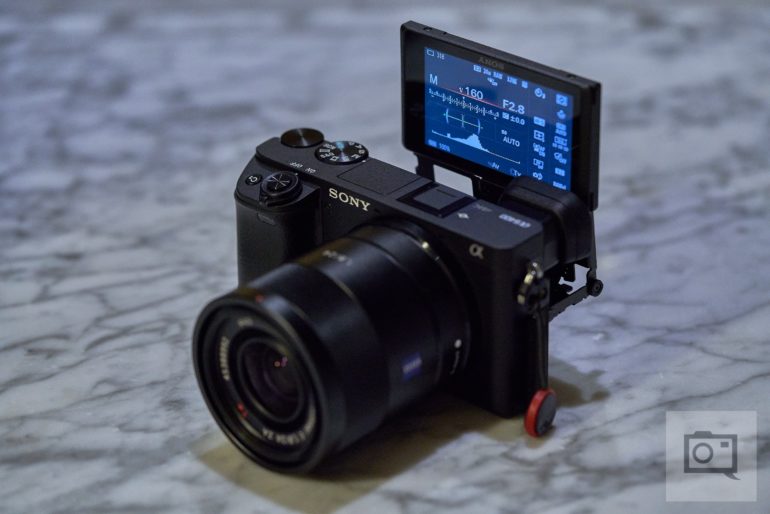
The Sony A6400 has been our favourite. The camera has a 24MP sensor, 13 types of image-enhancing modes, and a high ISO of up to 102,400. It also features 425 points, 2,359,296-dot EVF, and a 921,600-dot LCD. Other features include Face Priority in AF, a burst rate of 11 fps, and it weighs 403g. While it lacks image stabilisation, the camera excels at fast autofocus and provides exceptional image quality. Real-time Eye AF and tracking will make things better when you are going to shoot fast-paced environments. Plus, you also get 4K video recording mode, which can be great for hybrid shooters.
Nikon Z30
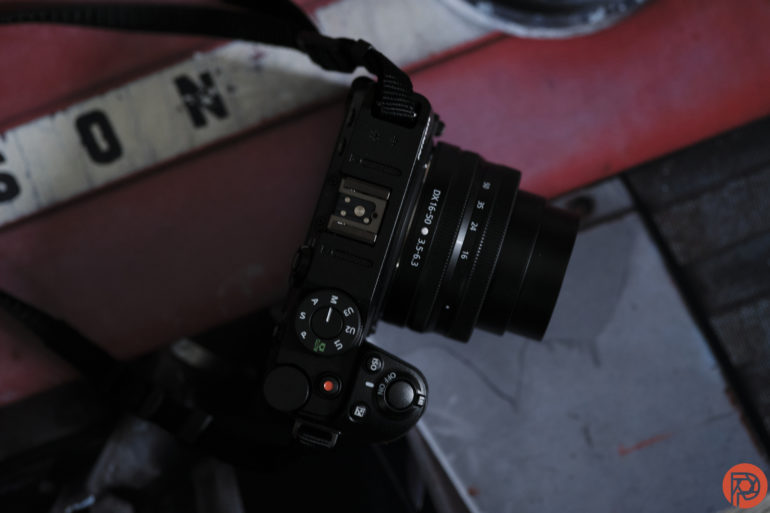
The Nikon Z30 has a 20.9MP CMOS sensor without a low-pass filter, an EXPEED 6 processor, and 209 focus points. It can record 4K UHD videos up to 30p, has a 3-inch 1.04 million-dot LCD, and weighs just 350g. However, the camera lacks a viewfinder and image stabilisation. However, you get excellent images at high ISO, a simple menu, and good weather sealing. As we said in the review, “Compact size, under $800 price point, and excellent image quality in low light are three strong reasons to consider this camera.”
The One to Avoid: Nikon ZFc
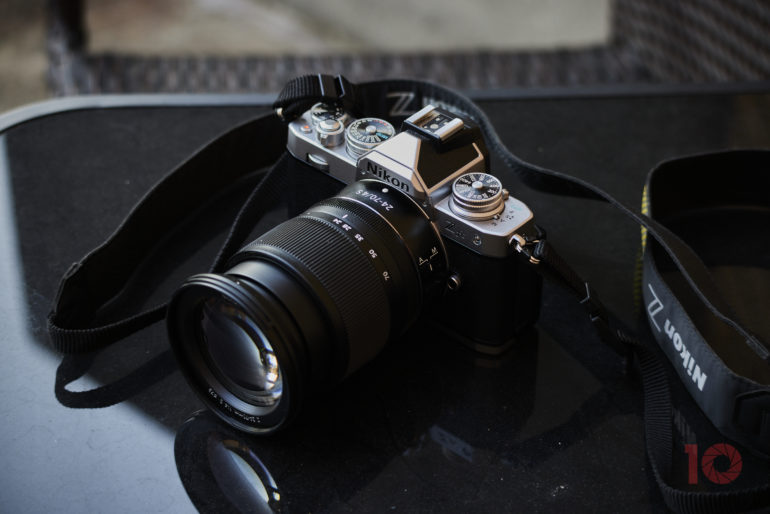
The Nikon Zfc is the younger sibling of the popular Nikon Zf. This APS-C camera features a 20MP sensor, an ISO up to 51,200, and 209 AF points. It also has a 2360k-dot EVF, a 1036 K-dot LCD, and a shutter speed of up to 1/4000 sec. While the camera makes exceptional images, there are several issues. For instance, there is no joystick, the screen feels cheap, and there is a lack of a thumb rest. The EVF is sensitive, the autofocus tracking is not great, and animal AF doesn’t work. As we said, “It’s a disappointment. If it gets some powerful firmware upgrades, then it would be more enjoyable. Even then, I think you’re better off sticking to Fuji at the moment. And that’s sad, as I believe that Nikon could genuinely be the ones to challenge Fuji at their retro game.”
Get rid of the ads!
Did you enjoy reading this article as much as we enjoyed writing it? There's a way to support us and our reporting, getting ad-free navigation and more as a bonus. Subscribe to us for less than a coffee per month —just $3.99— or take advantage of our yearly subscription with a hefty discount for only $25.- An ad-free experience
- A free mystery box for Lightroom or Capture One
- All the books in our store
- 20% discount on Capture One
- 30% discount on Imalume Photo Theft Protection
- 20% off Herbs and Kettle Tea Company.
- 20% off your order from MPIX printing services.
- 5% off Viltrox Products via their eCommerce store.
- 10% off all film developing, printing and scanning services from Blue Moon Camera and Machine
- 15% off 7Artisans products: The lens and accessory maker is offering a sweet discount for Phoblographer's readers.