

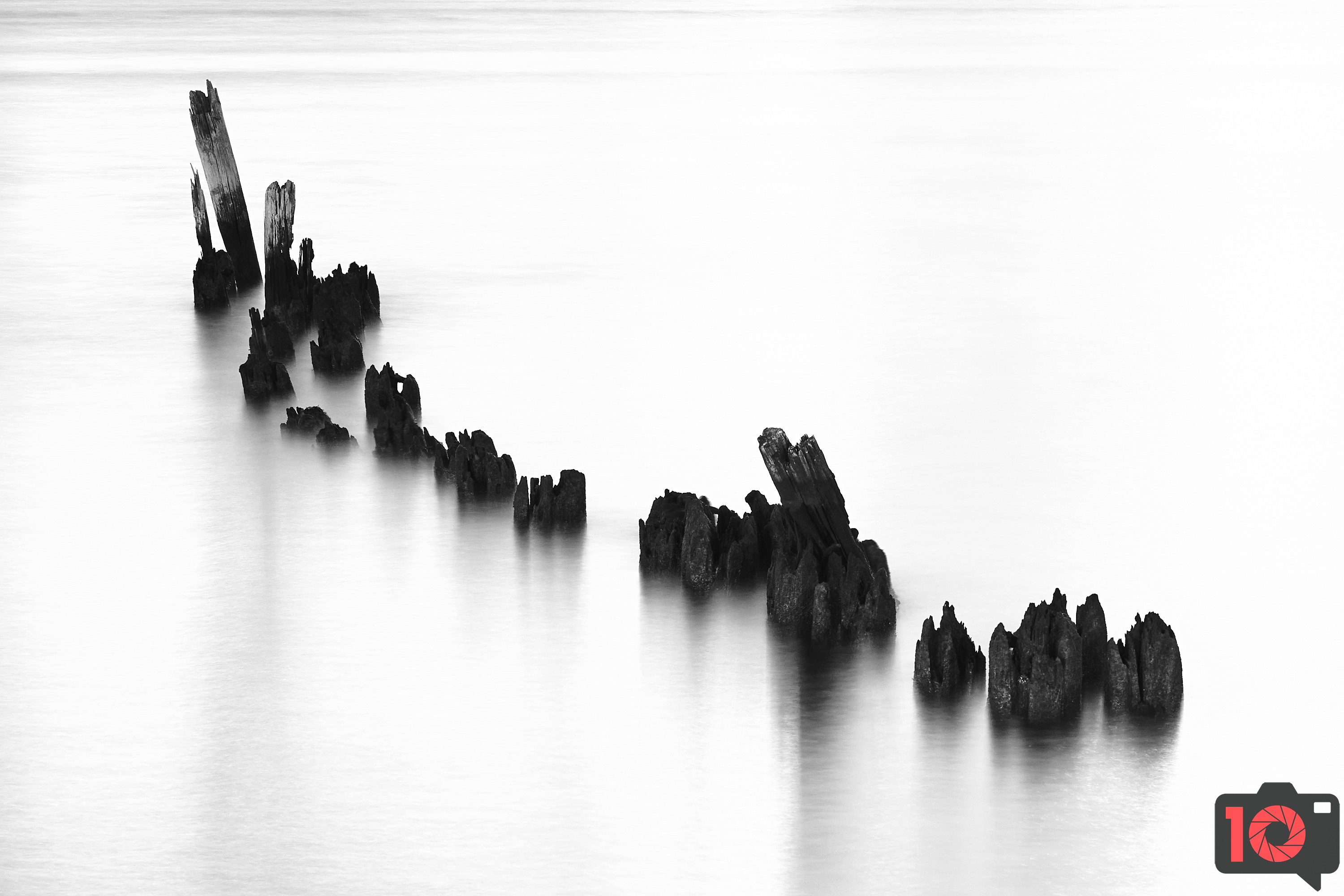
Black and white photography is loved by many. Something is enticing when you see an image devoid of any colours, often allowing one to let their imagination run freely. But the beauty of black and white photography increases when it is coupled with specific genres such as landscapes. There are a handful of masters of the medium who have allowed us to imagine nature in black and white, whose contributions have played a significant role in preserving nature. If you are someone who wants to learn to shoot like the greats, here are a few tips that can help you achieve spectacular results.
Pre-Visualize
While it is natural to see the world in color, for one to truly shoot in black and white, they need practice to see the times. You can achieve this by using the monochrome mode in the camera, which will help you to judge the scene better. You must ask yourself whether the image looks even compelling in this format. And what are the things that stand out?
Master Light and Shadow
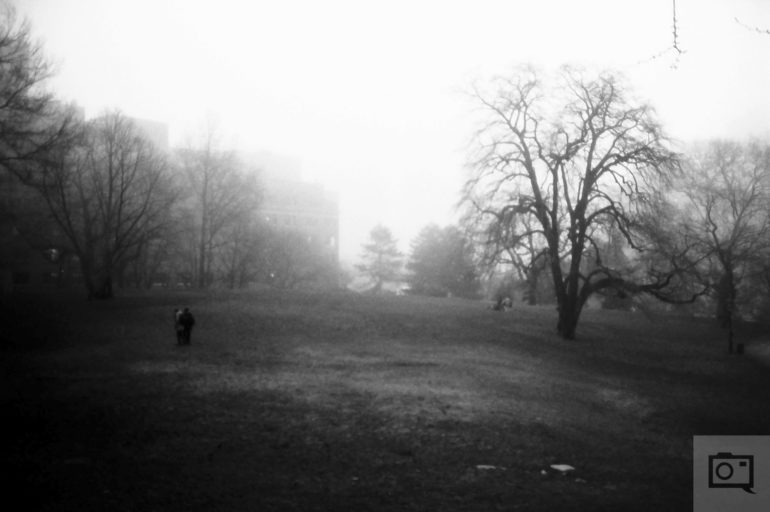
Black-and-white photography works best with light and how it affects the environment. The golden hour, for instance, helps you capture long shadows and a range of tones, elevating a place’s look. A cloudy day can help you achieve perfect soft tones, which are moody for minimalist images. Harsh sunlight can work to make some images stand out, such as desert or mountains, but you can lose details in the contrast. So, once you understand light, you can achieve the impossible.
Composition
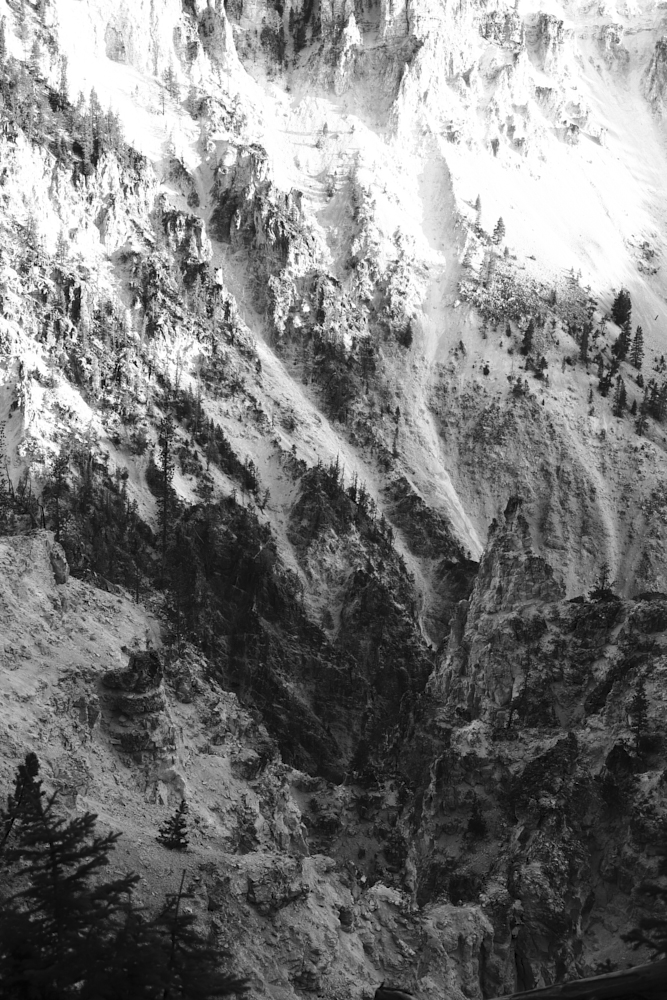
Your composition can really make your landscapes stand out. Look for leading lines, negative space, or patterns that can make your photograph different. Textures such as rough bark and sharp rocks can add to the feel of the picture. At the same time, go for a walk together to eradicate all the excessive noise. Repetition, such as waves or mountain ridges, can further make your images stand out.
Use Filters

Tones are everything in black-and-white landscape photography. To achieve this, you can use various color filters that dramatically enhance certain colors. For instance, red and orange filters make the clouds pop and help to enhance the drama of the image. Green will brighten up the tree foliage, which is great if you want to make it stand out from the earthy tones. A polarizer will cut off reflections and enhance the contrast. So, keep these tools handy if you want to make your image stand out.
Dodge and Burn
In post-processing, one thing that will really help you is what Ansel Adams was famous for: dodge and burn. Burn will darken the corners that are distractions, while dodge will brighten up the lines or textures that you want to showcase. This can help black-and-white photographers enhance the contrast, thus making their images different from the rest. Also, remember, tonal contrast is used to help the elements be different. As a result, don’t do anything that will make your images stark black and white.
Zone System
This concept was introduced by Ansel Adams and Fred Archer; the zone system divides tonal range into 11 zones. This means it goes from pure black to complete white. While he said this for film photography, one can use the same technique in digital images. How? By simply learning where you want your highlights and shadows to be in an image. You must place mid-tones in specific ones, and then adjust your exposure to showcase the entire tonal range.
Minimalism is the King

Take this opportunity to also get away from an accurate depiction of places and play around with what you see. Challenge your viewer’s perception. You can do this by using abstraction and minimalism. For instance, snowy landscapes become almost pure abstract art with just shapes and shadows. Intentional blur or motion can turn trees or grass into graphic forms.
Get rid of the ads!
Did you enjoy reading this article as much as we enjoyed writing it? There's a way to support us and our reporting, getting ad-free navigation and more as a bonus. Subscribe to us for less than a coffee per month —just $3.99— or take advantage of our yearly subscription with a hefty discount for only $25.- An ad-free experience
- A free mystery box for Lightroom or Capture One
- All the books in our store
- 20% discount on Capture One
- 30% discount on Imalume Photo Theft Protection
- 20% off Herbs and Kettle Tea Company.
- 20% off your order from MPIX printing services.
- 5% off Viltrox Products via their eCommerce store.
- 10% off all film developing, printing and scanning services from Blue Moon Camera and Machine
- 15% off 7Artisans products: The lens and accessory maker is offering a sweet discount for Phoblographer's readers.