

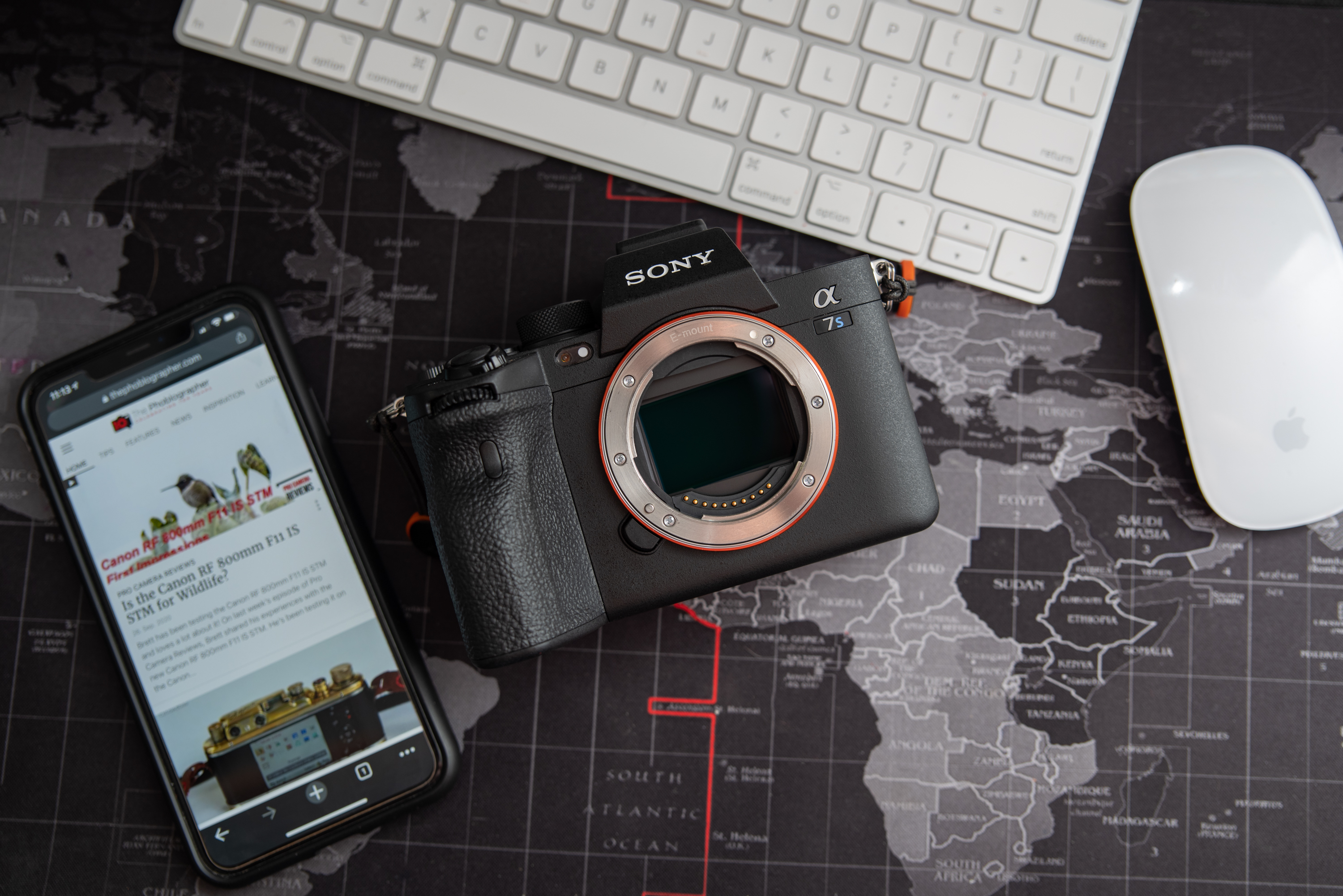
Sony has reportedly registered three new cameras in May and June this year. So far, there are no specific indications about which models they will be or when they will be announced. However, this information has made us think about the four devices that Sony has not updated for a while. These popular cameras are liked by many, and announcing them in 2025 will certainly reap benefits for the company. Here is a look at the models and the expectations around them.
Sony RX1R II
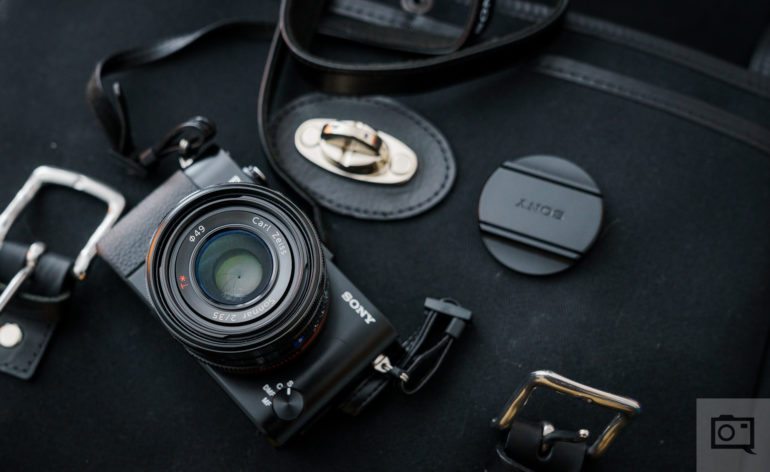
The Sony RX1R II was launched a decade ago for professional photographers. The camera was expensive, but it featured a 42MP full-frame sensor, with a fixed Zeiss Sonnar T 35mm lens, and 2.36M-dot XGA OLED Tru-Finder EVF. In a world that is going after compact cameras, this is a great opportunity for Sony to also take part in the race. But there are some expectations that the company must fulfill for RX1R III:
- A high-res ~60 MP BSI-stacked sensor
- Built-in IBIS and fast autofocus
- a 40mm mm prime lens (Zeiss just launched Otus series so they can partner with them again)
- AI-driven focus tracking, and detection
- Better ISO performance for low light photography
- An EVF with the same resolution as the A7R V
- Weather sealing
- Improved design, with a joystick included
Sony RX100 VII
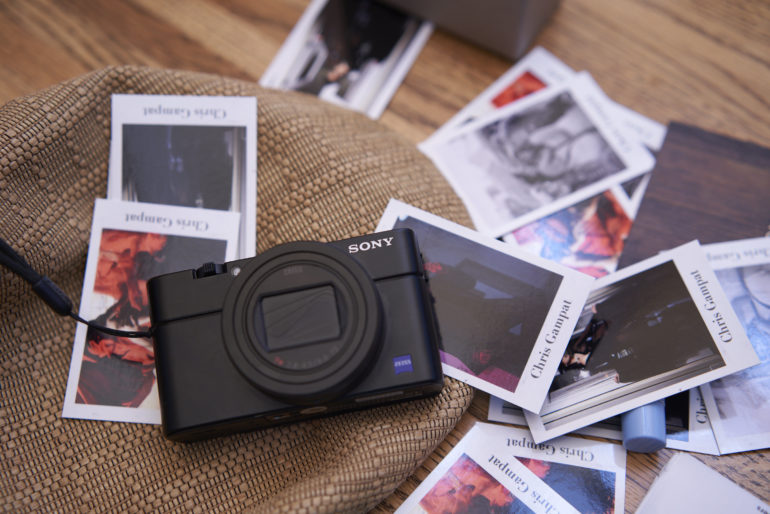
The RX100 series has been quite exceptional for street photographers. However, the latest camera, the RX00 Vii, which was launched in 2019, was a disappointment, to say the least. Despite a 21MP sensor, a fast autofocus, and Zeiss’ 24-200mm lens, the camera was terrible. So, if Sony is ready to change things, get something exciting for its users, they must work on the following:
- Replace microUSB with USB-C
- A bigger sensor of 33MP at least
- Faster autofocus with AI chip and subject detection
- Faster buffer rate and better battery life
- Weather sealing
- Better image quality at ISO above 1600
- Improve RAW file format
- More resolution for the pop-up EVF
- The lens’ zoom range must reach 24–300mm. Also, internal ND filters and a variable aperture option
Sony A7S III
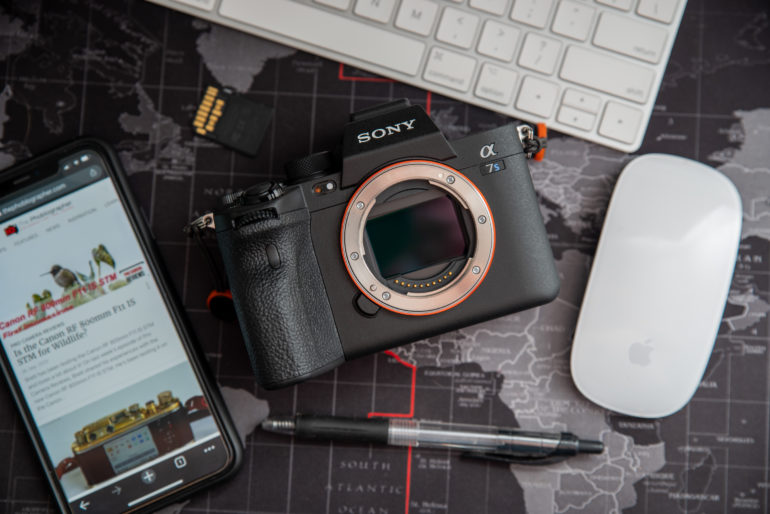
Sony A7S III is an exceptional camera for anyone who likes to shoot in low light. While there is no report of its update, Digital Camera Info notes that some sources say this camera will be “integrated” into the FX series, which is for filmmakers. We honestly hope that isn’t the case, as the A7S III is perfect for many hybrid photographers. Here is what we expect from the device, if it is ever launched this year:
- 24‑MP BSI-stacked or global-shutter sensor
- Internal NDs, false-color display, focus breathing compensation, LUT support, and in‑body RAW recording
- Faster frame rates of up to 240 fps
- AI subject tracking
- Bigger LCD and faster EVF refresh rate, as seen on A7R series cameras
- Better colors at higher ISO
Sony A7 IV
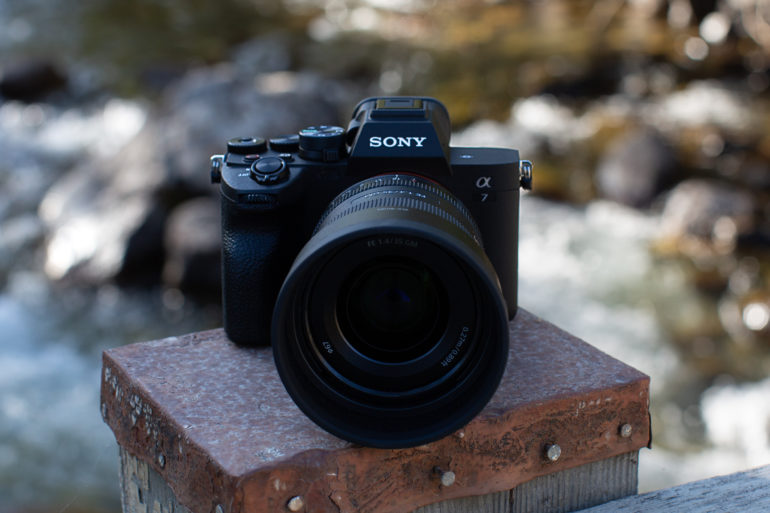
The Sony a7 IV was launched five years ago, but there has been no word about its update. In fact, its sibling series, the A7R, also received its due update in 2022. While the camera is still revered by many, there are a few incremental improvements that we wish to see from the device:
- A 44MP full frame sensor. This is the least they can do since the a1 has 50MP and the a7R V has 60MP sensors.
- AI chip for better autofocus
- BIONZ XR-level processing for faster burst rates
- Better ISO performance at both high and low ISOs
- Upgraded EVF and vari-angle touch screen
- More video options for hybrid users, as seen on a7R V
Since the last camera from Sony was the a1 II, it is high time that the company looks at refreshing some older options. These devices are long overdue, and in fact, they can work well in a highly competitive field. With Fujifilm launching incremental cameras, it’s time Sony also decides to step up.
Get rid of the ads!
Did you enjoy reading this article as much as we enjoyed writing it? There's a way to support us and our reporting, getting ad-free navigation and more as a bonus. Subscribe to us for less than a coffee per month —just $3.99— or take advantage of our yearly subscription with a hefty discount for only $25.- An ad-free experience
- A free mystery box for Lightroom or Capture One
- All the books in our store
- 20% discount on Capture One
- 30% discount on Imalume Photo Theft Protection
- 20% off Herbs and Kettle Tea Company.
- 20% off your order from MPIX printing services.
- 5% off Viltrox Products via their eCommerce store.
- 10% off all film developing, printing and scanning services from Blue Moon Camera and Machine
- 15% off 7Artisans products: The lens and accessory maker is offering a sweet discount for Phoblographer's readers.