

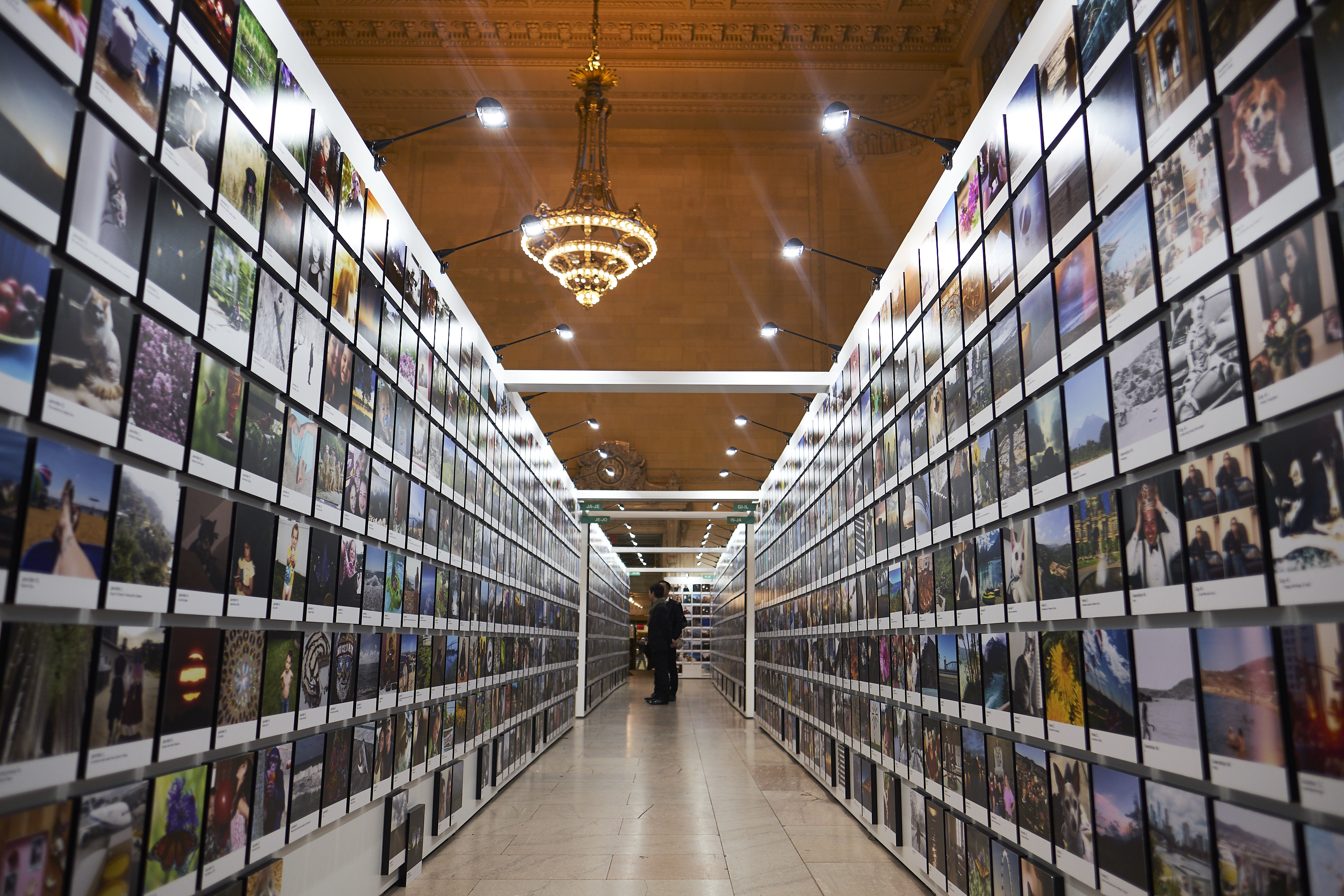
Photography is one of the many inventions that have changed the world. Before the medium, people relied on painters to capture the likeness of a person, the changing seasons, or human anatomy. While this was useful, the accuracy and the urgency with which a picture can depict a scene remain unparalleled. In fact, it is because of photography that we now have photo albums, which allow us to accurately glimpse into our past, a now bygone era. But there is also the other side of the coin, which highlights the proliferation of the medium — the wealth of images. Per a new study, it now appears we will take more photographs than ever before.
Reports suggested that in 2024 alone, there were as many as 1.9 trillion images taken by humans. According to new research conducted by Photutorial, this number will increase to reach about 2.1 trillion photos in 2025. This means we will see a hike of at least 0.2 trillion images, or about a 10% increase since last year. In fact, the prediction showcases a higher number, since between 2022 and 2023, the rise was just 0.1%.

Interestingly, this number does not showcase the number of images that already exist. The report highlights that about 14.3 trillion images float around in the world—and that was in 2024. If you take into consideration the prediction, we will reach about 16.4 trillion pictures by 2025. In fact, five years from now, there will be about 30 trillion photographs existing in a vacuum, with the numbers likely to double due to artificially generated images.
If we don’t take AI into consideration, one of the reasons we are capturing so many images is the democratisation of photography. Despite newer cameras being expensive, many rely on older devices, particularly cellphones (about 93% of images), which offer better cameras. That means about 61,400 photos are shot every second, 3.7 million images are taken every minute, and 5.3 billion every day.
Why are photo-sharing sites reporting smaller numbers?
What is even more interesting to see is how Americans have the highest number of image creation in the entire research. US citizens shoot about 20.2 photos per day, with Asia-Pacific coming in second at 15, and Latin America third at 11.8. Europe was at the end, with 4.9 pictures. The number is a global average, but it does give an idea about how things are. While Americans are quite active on social media, it was surprising to see Europe at the end, with Africa ahead of it, with 8 photos per day. The images, at least on the internet, seem to largely focus on America and Europe rather than on continents like Africa.
So, where do these images go? Social media is the greatest contributor, with WhatsApp alone seeing 6.9 billion photos, followed by Snapchat (3.8 billion), Facebook (2.1 billion), and Instagram (1.3 billion). Why are photo-sharing sites reporting smaller numbers? That could be because it is easy to send memes, screenshots, and other such images on WhatsApp much faster, and only to the people you are close to.
With so many images, what are we trying to communicate? A look at the report highlights how we, as a community, rely on photos to reconnect, share, and experience life. You may be travelling anywhere in the world, but it’s these photos that help you to share your adventures with loved ones. You could be having a bad day at work, and sharing images with your loved ones could help. In fact, with such tight schedules and deadlines, most working-class people rely on sending texts and images, which naturally become a part of it. Although there are many photographers who are hired to capture important events in your life, in essence, we are all just amateurs, trying to preserve our memories one photo at a time. So, think about the pictures you make you’ll make this year. After all, you are in a pool of a trillion others.
Get rid of the ads!
Did you enjoy reading this article as much as we enjoyed writing it? There's a way to support us and our reporting, getting ad-free navigation and more as a bonus. Subscribe to us for less than a coffee per month —just $3.99— or take advantage of our yearly subscription with a hefty discount for only $25.- An ad-free experience
- A free mystery box for Lightroom or Capture One
- All the books in our store
- 20% discount on Capture One
- 30% discount on Imalume Photo Theft Protection
- 20% off Herbs and Kettle Tea Company.
- 20% off your order from MPIX printing services.
- 5% off Viltrox Products via their eCommerce store.
- 10% off all film developing, printing and scanning services from Blue Moon Camera and Machine
- 15% off 7Artisans products: The lens and accessory maker is offering a sweet discount for Phoblographer's readers.
- 15% off a VSCO One subscription: Get a bunch of great tools with their all-in-one package.