


For the past five years or so, I’ve been primarily shooting with a 28mm lens instead of the 35mm focal length that I’ve been using for most of my photography career. But I’m not talking about just any 28mm lens — I’ve been shooting with the Leica 28mm f2 APO for L mount. By far, it’s become one of my favorite lenses, and it has taken what I learned with 35mm lenses and put it into hyperdrive. And some of the lessons it’s taught me are ones that even more advanced photographers forget about.
For more useful photography tips, click here.
How to Use a 28mm if You Shoot Other Focal Lengths

Here’s the thing that photographers forget: your artistic mind and technical mind aren’t speaking the same first language. So they’re communicating with one another via a second language. That means that at times, things get lost in translation. Sometimes it’s hard to fully comprehend what both of them are saying when you have to act in a split second. But that’s why practice is so important, and so too is literally just understanding the mindset of both. At times, you should spend more time with your artistic brain. And at other times, spend it with your technical brain.
If you’re the child of divorced parents, you’ll understand this so much better.
When you understand how the 28mm lens looks, you’ll immediately be able to look at a scene and know how to shoot. But if you use an assortment of focal lengths, remember that it’s not a 50mm and 35mm. So you’re going to need to rewire your brain at least temporarily.
When you’re doing this, make it fun. Add lens filters! Control the light! Play with your aperture!
Remember that Your Aperture Isn’t Fixed
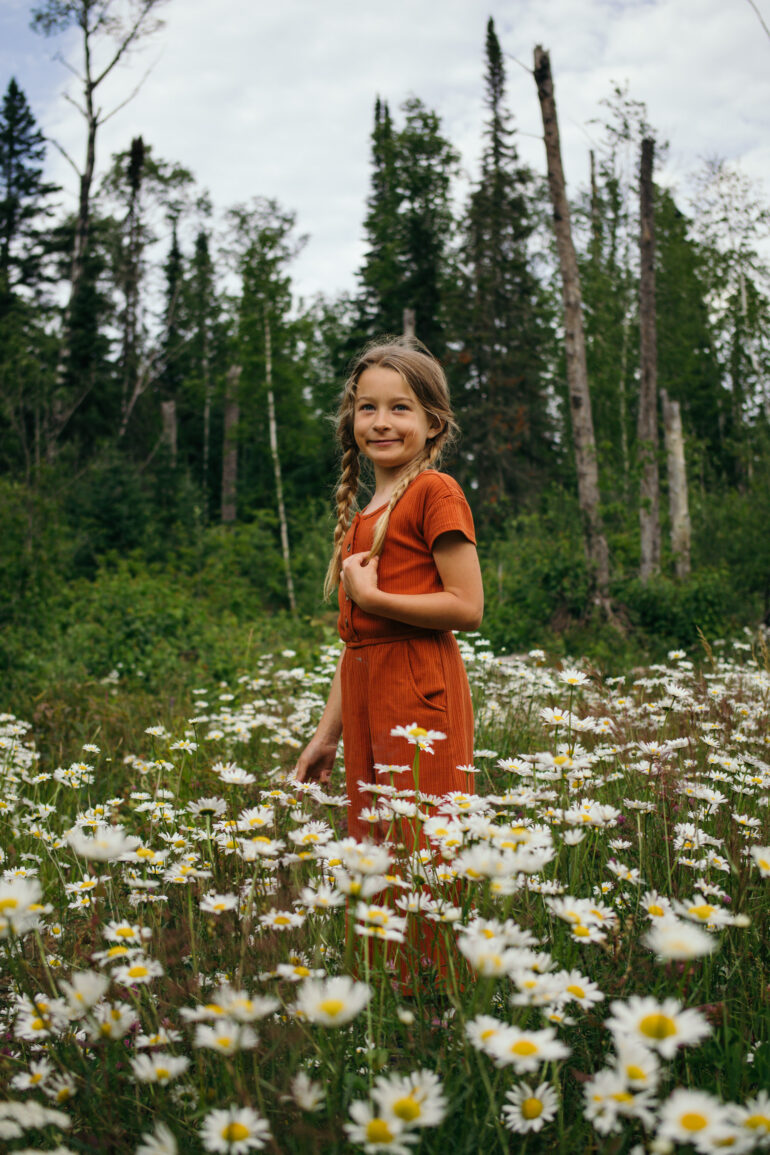
Sometimes, I want to tell people to just stop their aperture down to f8 and photograph everything around them. That way, you’re not just relying on bokeh to make your photos effective. Instead, you need to rely on layering in your image’s foreground, middle ground, and background.
I have a habit of using slower, filmic ISO settings which then slow my shutter speed down and create camera shake. But I’ve learned to embrace that recently or just to use a flash to counter the effects of camera shake due to how the laws of physics work.
And that brings me to my final tip.
Make Your Own Light with a Flash

Fact: Shooting in aperture priority is typically something done when you’re capturing and not creating. Shoot in manual mode, stop the lens down, slow the ISO down, let the shutter speed get nice a long, then use a flash. When you use a flash, you’ll create something that the human eye can’t see naturally. In the pop of light, the image will abra-kadabra-alakazam itself onto the back screen of your camera.
Most importantly, that’s the best thing about using a flash — it makes something that the camera can’t see and goes beyond just capturing a scene.
Get rid of the ads!
Did you enjoy reading this article as much as we enjoyed writing it? There's a way to support us and our reporting, getting ad-free navigation and more as a bonus. Subscribe to us for less than a coffee per month —just $3.99— or take advantage of our yearly subscription with a hefty discount for only $25.- An ad-free experience
- A free mystery box for Lightroom or Capture One
- All the books in our store
- 20% discount on Capture One
- 30% discount on Imalume Photo Theft Protection
- 20% off Herbs and Kettle Tea Company.
- 20% off your order from MPIX printing services.