


Zoom lenses are having the best moment in the world of photography. Everyone wants to get one, as it allows people to combine varied focal lengths in one lens. However, while modern zoom lenses have an internal zoom, there are zooms whose lens barrel extends out. The latter are compact, but also cost-effective for those who can choose the former. However, unlike internal zooms, the external zoom lenses face a massive challenge: dirt, water, or dust getting stuck on the barrel. To counter such issues, it seems Canon has found a solution, which was recently published in a patent. Let’s have a look.
According to Canon Rumors, the company published patent P2025075822 last month, which aims to solve the issue of weather sealing in external zoom lenses. In conditions such as a storm, a shoot in a desert, or a windy day, all the different environments put strain on the push-pull mechanism of the lens. So, with the new patent, the company aims to find a smart solution without making your lens impossible to zoom while you shoot.
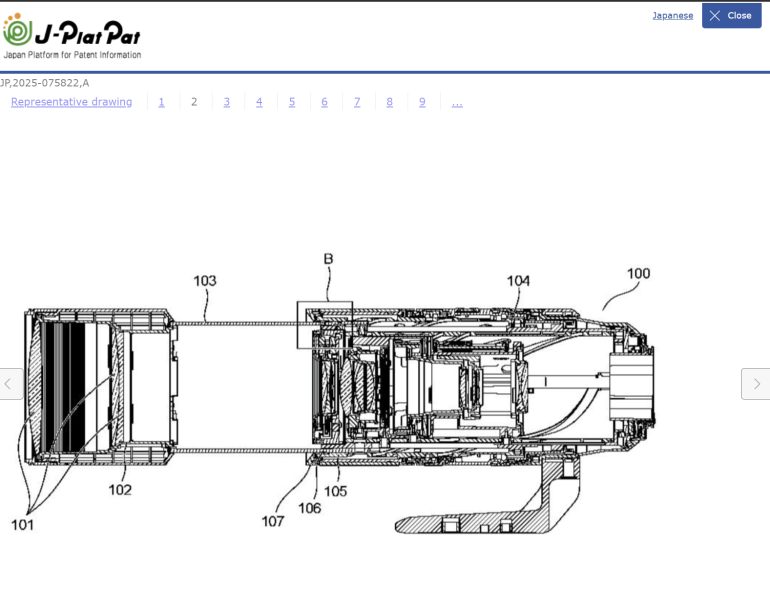
The older external zoom lenses could feature rubber rings or seals designed to keep external elements out. But with the latter, the shape and rigidity of the seal make the zoom feel very inconsistent, even stiff in some cases. With the new lens design, Canon aims to change this. How? The company aims to use a thin but flexible fabric sheet inside the lens barrel. What it does is that when you zoom, the sheet will also stretch between the lenses. For instance, in the image above, number 103 is the sheet that stretches over, and number 105 is said to be the outer layer. The latter will be glued in place, resting on one side to function as a water-repellent coating on the other side. In a way, it functions as a seal.
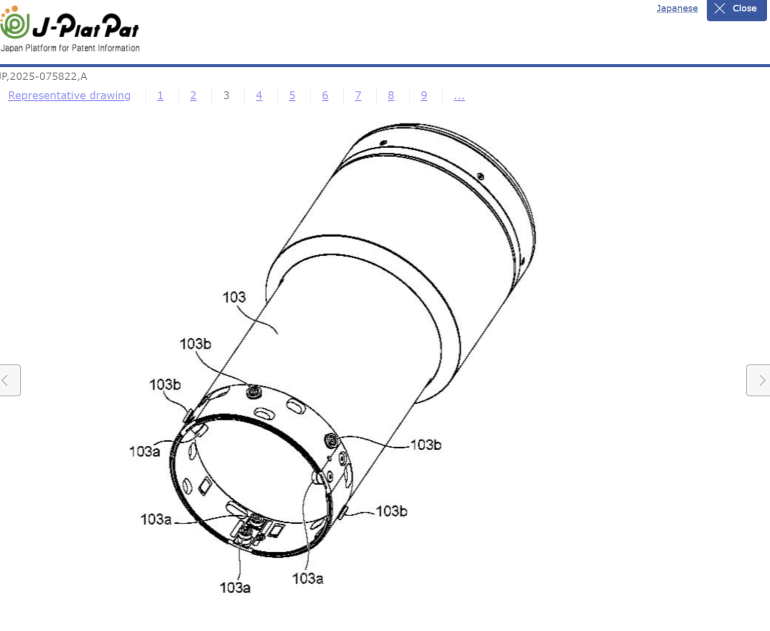
In fact, number 105 will ensure that moisture stays out without affecting your zoom. Its function is that of duct tape. We aren’t sure if this will be for all Canon lenses, or only certain high-end models, but a patent like this can really help photographers shooting birds, sports, or wildlife. In fact, if Canon achieves this for budget lenses, then many would choose the company over third-party manufacturers.
However, we aren’t sure if Canon will ever cut its cost to that extent. Unless it goes through its automation plan, and shifts its production units to other regions than China. Either way, the company seems to be trying to win over its users, and a patent like this can mean a lot if it does become real. But, as it is with patents, we just may have to wait more to find out.
Get rid of the ads!
Did you enjoy reading this article as much as we enjoyed writing it? There's a way to support us and our reporting, getting ad-free navigation and more as a bonus. Subscribe to us for less than a coffee per month —just $3.99— or take advantage of our yearly subscription with a hefty discount for only $25.- An ad-free experience
- A free mystery box for Lightroom or Capture One
- All the books in our store
- 20% discount on Capture One
- 30% discount on Imalume Photo Theft Protection
- 20% off Herbs and Kettle Tea Company.
- 20% off your order from MPIX printing services.
- 5% off Viltrox Products via their eCommerce store.
- 10% off all film developing, printing and scanning services from Blue Moon Camera and Machine
- 15% off 7Artisans products: The lens and accessory maker is offering a sweet discount for Phoblographer's readers.
- 15% off a VSCO One subscription: Get a bunch of great tools with their all-in-one package.