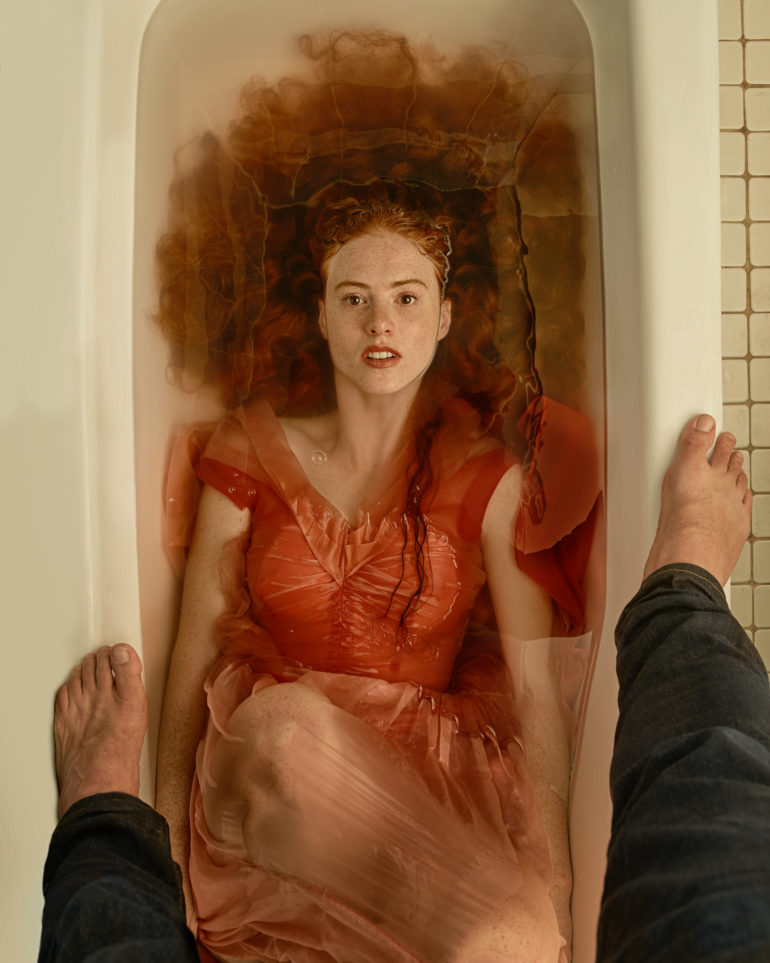
There are days when I can’t help but wonder about the life of my photos centuries down the line. What will happen to those photographs if they manage to survive. Will they be adored by my great-grandchildren, or will they be tucked away in whatever cloud storage device they have in store? But as I pondered over the future, another question popped up in my head: the now. What do the photographs I create say about my present? Well, a lot. Some are good, some not so great.
Ways of Seeing The World
Give yourself a task, take a few hours, and sit back, looking at the vast archive you have built. I am not talking about images that you shoot for assignments but rather pictures that you make for yourself. For instance, selfies, portraits of family and friends, or a mundane scene that left you happy. While ordinary in the eyes of those around you, these moments are quite important. They may not be masterpieces, but they certainly depict your view of the world.
At a time when “fame” is the goal for taking up photography, what you capture could remind you to rethink your approach. As Martin Parr once said: “Don’t wish you could be a famous photographer. If you do, you will fail—wrong priorities.” The best photographs have been created when you chase a scene or moment because you find it different and unique. So, capturing or sharing it to show what you saw, rather than chasing fame, can help your archive to live on for its originality.

The Sweet Humm of Repetition
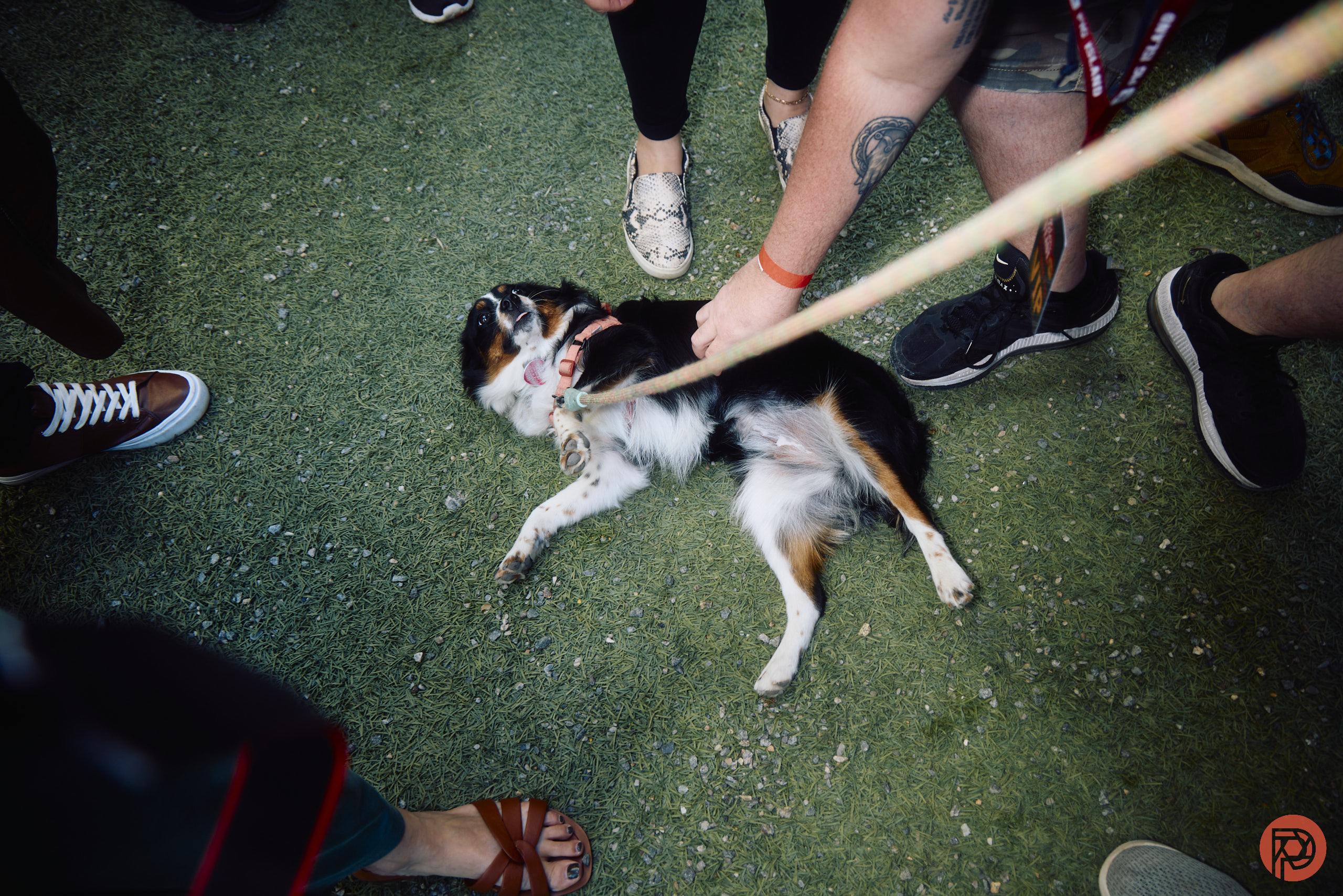
I believe we all have captured the same things over and over. Be it a cat or a dog near your home, the changing sky, or portraits of your loved ones, your library will showcase a life cycle. Your friends may have gotten older, the city may have shed its skin, while the sky always brings something new every season. These small details are important and make a huge difference in how we photograph. But beyond that, they are reassurances that this moment may come in another form if you keep an eye out. Photography, after all, is enjoying the passing of time. It can help you to easily adapt to things that you were initially afraid to adhere to.
Facts and Fiction in Photographs
Sometimes, you create images that do not showcase the truth wholeheartedly. For instance, you have photographs of grandparents living their best lives but no images of them during their last days. This is a personal choice, but having such curated images can lead your future generation to look at reality with a sense of idealization. This may not be something one thinks about, but you should ponder it. Having perfect images is great for photo albums, but capturing and maintaining images that show the raw version of your life can also go a long way.
Capture Today for Tomorrow
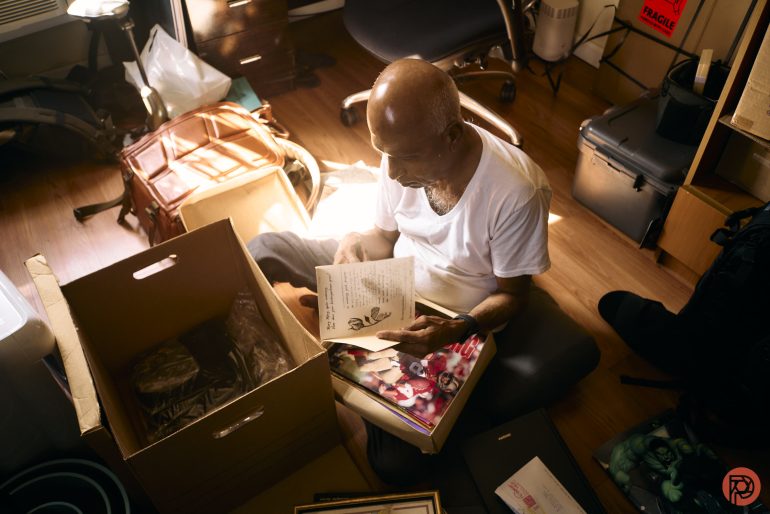
Everyday images can be a way to connect with your family and your future self. For instance, the decor in your house 15 years ago is likely to entice you and those you show it to. Photographs are not historical documents but are also laced with emotional quotient. Every picture has a sentiment attached to it, and decades later, when the same setting, objects, or even people no longer exist, these images become the only way to relive them.
The Mundane Has Meaning
Photographs of your garden, your cycle ride, and the garden near your house are a great way to have a sense of discovery. We think these things may not excite the future generation, but they certainly will. Unlike painting, photographs show how our reality is, which can help many find deeper meanings of the past. For instance, finding photographs of cassette tapes or vinyl, which is rare to see, excited us when we were born. Similarly, things such as looking at CDs or older Nokia phones can have a similar impact on the future generation.
You Learn About The Human Experience
Our everyday life has many peculiar or absurd moments. Perhaps your great-grandchildren may not enjoy everything you have photographed, but they will be inclined to see a life they never lived. But if they aren’t, then it will be their loss. However, these pictures of today can help you understand yourself better, which may help you become a better person. These photographs of unexpected places may change you, which says a lot about the power of photography.
Get rid of the ads!
Did you enjoy reading this article as much as we enjoyed writing it? There's a way to support us and our reporting, getting ad-free navigation and more as a bonus. Subscribe to us for less than a coffee per month —just $3.99— or take advantage of our yearly subscription with a hefty discount for only $25.- An ad-free experience
- A free mystery box for Lightroom or Capture One
- All the books in our store
- 20% discount on Capture One
- 30% discount on Imalume Photo Theft Protection
- 20% off Herbs and Kettle Tea Company.
- 20% off your order from MPIX printing services.
- 5% off Viltrox Products via their eCommerce store.
- 10% off all film developing, printing and scanning services from Blue Moon Camera and Machine
- 15% off 7Artisans products: The lens and accessory maker is offering a sweet discount for Phoblographer's readers.