

Last Updated on 01/09/2025 by Chris Gampat
At The Phoblographer, we have repeatedly stated that today, no camera takes bad pictures, but where it does make a world of difference is the ISO limit, continuous shoot speeds, or ergonomics. For instance, people who are used to Canon may not entirely enjoy Nikon’s built-in menu system, and vice versa. However, one thing we can say for sure is that despite the technical advancements, some cameras from the past can still meet your needs. So, here is a round of the best eight cameras from five years ago that we think you can still opt for as your secondary camera.
Leica SL2
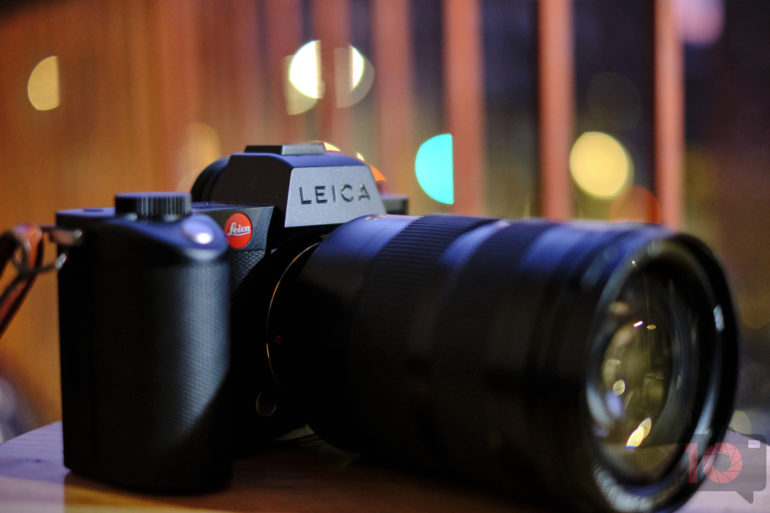
There is a lot to like here. The camera is built like a tank, featuring materials such as magnesium and aluminum and IP54 weather sealing. It has a 47MP full-frame sensor, a 5-axis in-body image stabilization up to 5.5 f-stops, and a 5.76MP electronic viewfinder. While it features the same interface as the M and the Q, it includes a new 3.2-inch touch display. For photography, some of its exciting features include a new 50-50,000 ISO range, MAESTRO III Processor, and a multi-shot setting that allows users to record 8 images to create a large 187MP photo. The autofocus, too, is great for single-point focusing, which can really be helpful for certain types of portrait photography, too. It is one of the cameras you can still rely on today.
You can purchase it from here.
Ricoh GR III
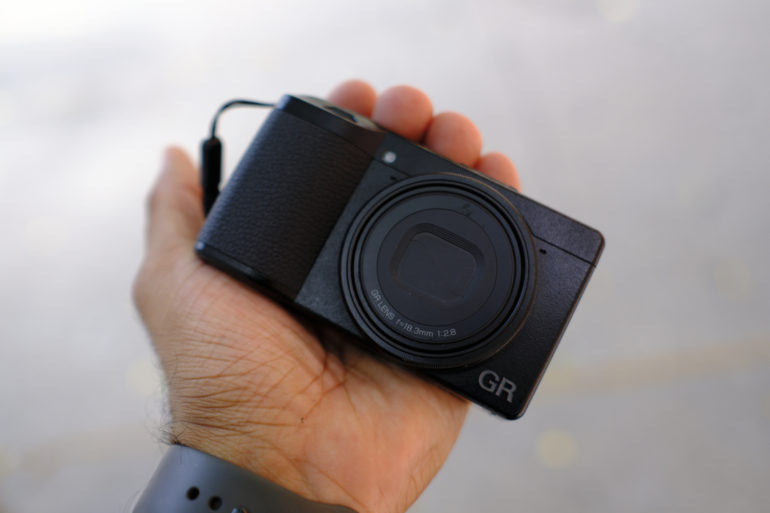
Although it is dedicated to street photographers, it is not weather-sealed for various reasons. But that doesn’t deter it from capturing great images that are sharp and have vivid colors. The smaller device is powerful, as it features a 24MP sensor with shake reduction and dust removal features. A new high-performance GR Engine 6 and increased customization and operations controls exist. The camera is certainly for niche users, but we did a round-up of photographers using the device, and their images will certainly leave a mark on you. This device can give you punchy colors you need even now.
You can purchase it from here.
Fujifilm GFX 50R
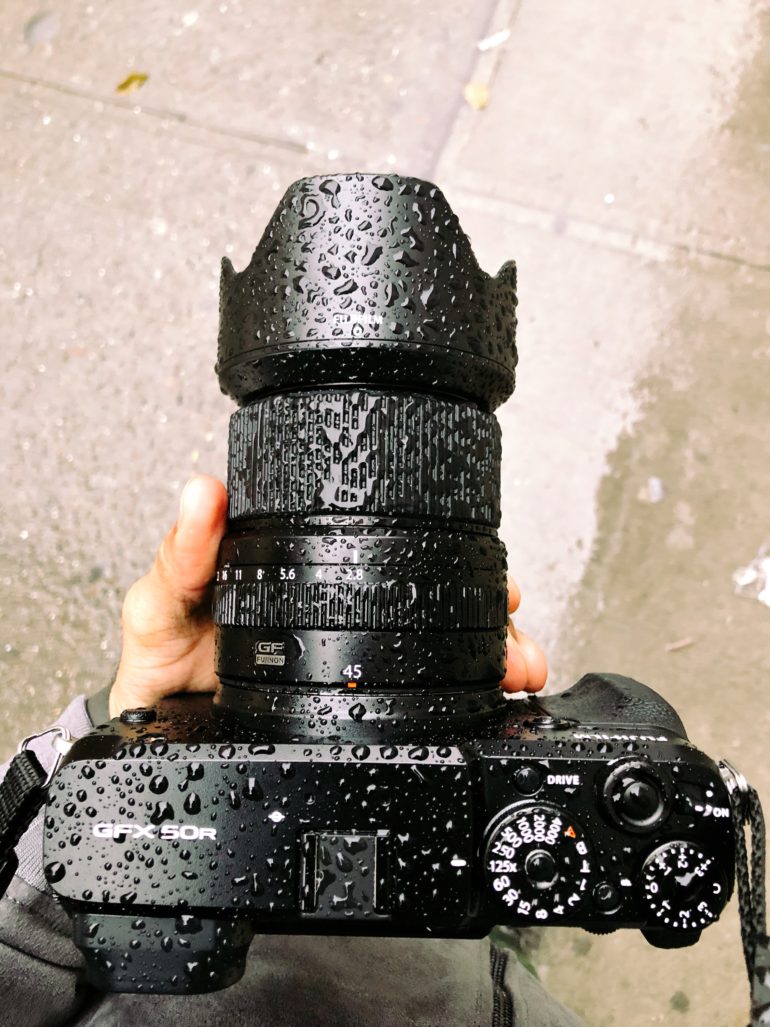
There are times when FujiFilm creates perfect cameras for photographers, and the GFX 50R is one such result. The GFX 50R survived 45 minutes of rain in our test, and despite that, it worked perfectly. Which camera can actually do that? Some of its other stand-out features include a 51.4MP CMOS medium format sensor, X-Processor Pro, a 2.36M-dot touchscreen LCD back panel, and good ergonomics. Though we did wish the autofocus was better, it is a perfect medium format that has been designed to withstand any challenge. This is exactly why you can think of buying it in 2024.
Tor purchase, head here.
Panasonic S1R

The Pansonic S1R may not be what you imagined a mirrorless to be, but it is something that DLSR lovers will certainly enjoy. It has a hand grip, and when you put a lens on it, forget that you will remain inconspicuous in a crowd. However, some of its positive points include weather sealing, a 47.3-megapixel full frame 4K UHD sensor, autofocus, and the ability to capture 4K 60p videos. As a first-generation camera, it is indeed pretty good and allows you to work with L-mount lenses. In fact, it beat other cameras to win the title of best full-frame of that year by DXOMark. Even today, this one can do wonders for you.
You can purchase it from here.
Canon EOS RP
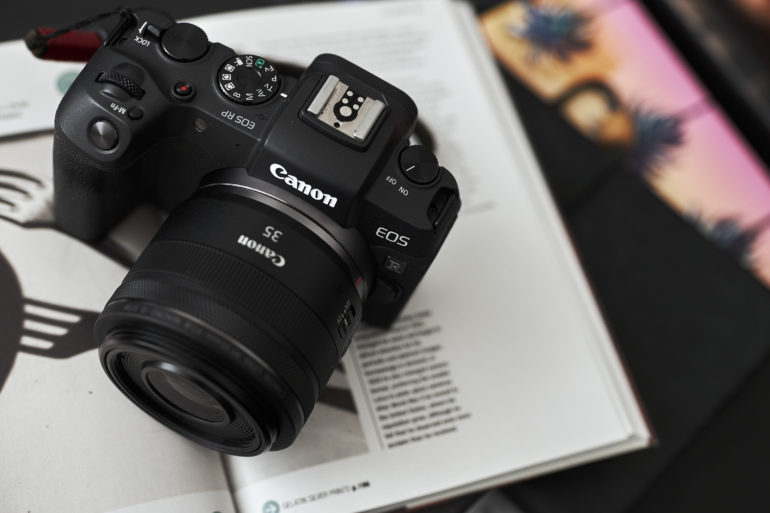
Canon may be new to the mirrorless segment, but they have tried to create cameras that fares well: The EOS RP. It is an entry-level camera with a 26.2MP full-frame sensor, which was also seen on Canon 6D Mk II. In fact, the built is also similar to the said DLSR, and it offers AF down to -5EV, a reliable autofocus, and 4779 autofocus points. It is also small and lightweight and offers great color reproduction that many stepping into the world of portrait photography would enjoy. Moreover, it is an even more affordable and fun device for beginners and professionals who need a good camera for their daily needs.
You can purchase it from here.
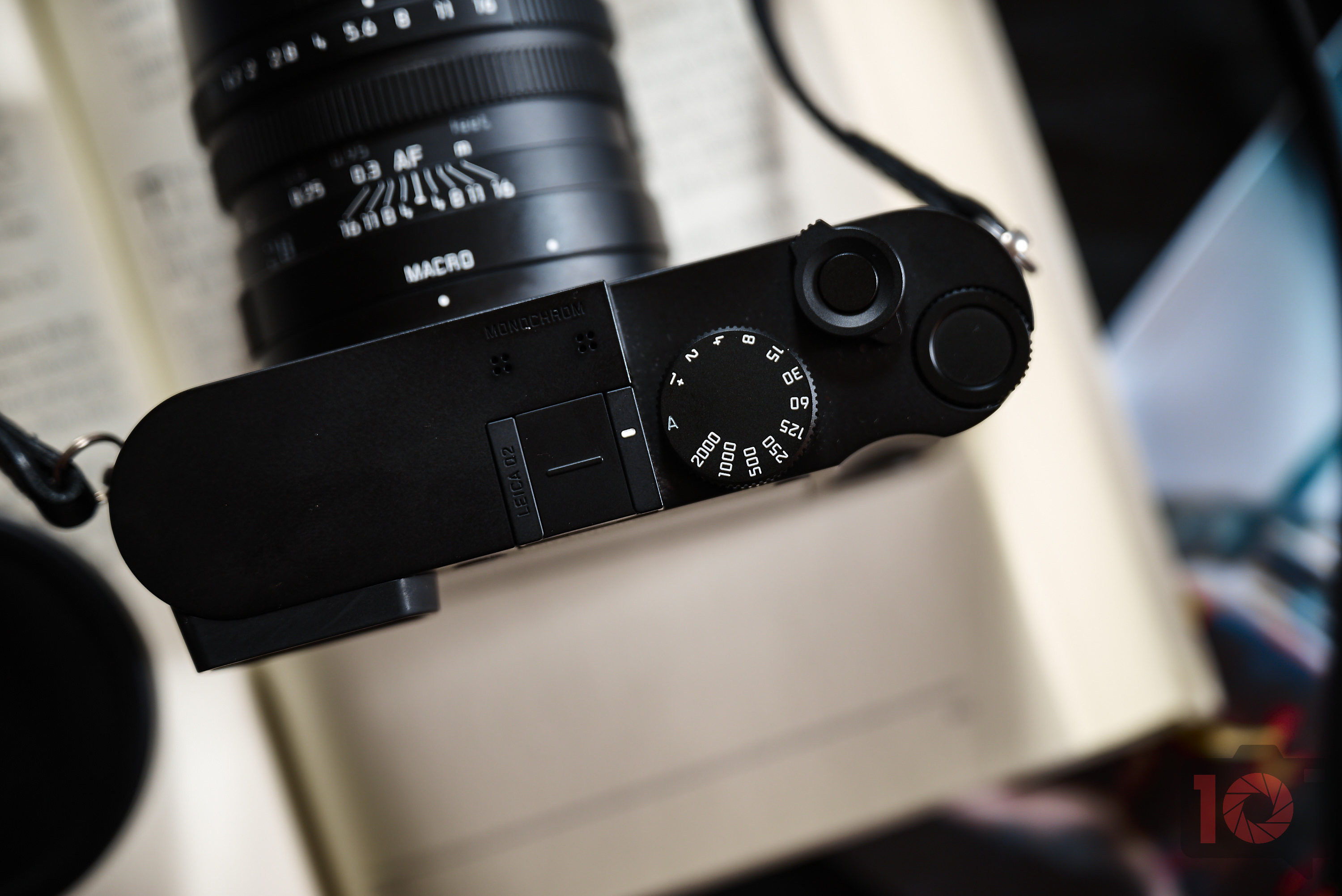
Leica Q2
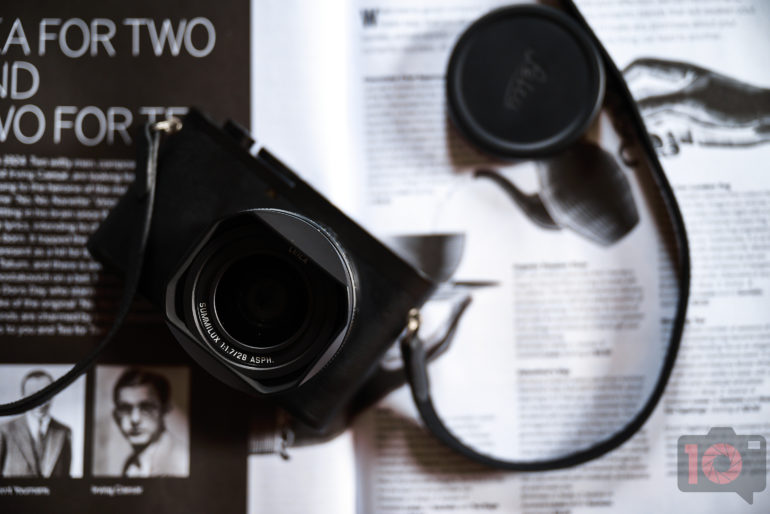
A compact camera, the Leica Q2 is quite special for any occasion. It offers a 47.3MP full-frame sensor, good weather sealing, great Leica colors, and a 4K video. When you buy a Leica, you don’t invest in good image quality; you also get great ergonomics, autofocus, and a compact size that can fit anywhere. Furthermore, the lenses available to you are perfect in many ways. If you are looking to invest in a camera that is compact and meets your demands, then this is something you can go for even today. If you buy a Leica, you get a camera for life.
You can purchase it here.
Pentax K1 MK II
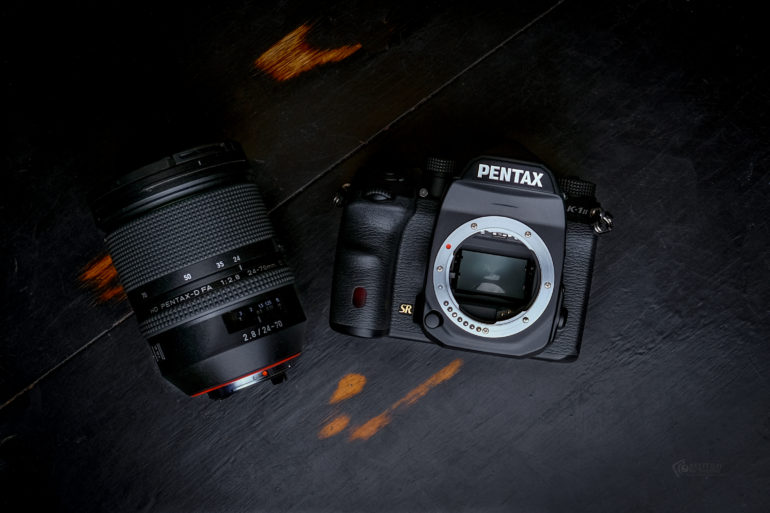
Sure, the Pentax K1 Mk II offers 33 focus points, and its autofocus may not win a prize, but the device is sturdy, with weather sealing that can last you a lifetime. It features a 36.4MP full-frame CMOS sensor, Enhanced five-axis image stabilization, ISO sensitivity to 819,200, and an updated PRIME IV processor with an Accelerator Unit. However, with great powers come great challenges, such as 670 shots per charge, as opposed to 760 ones on the K1. It is a camera that offers everything, but you must be patient and willing to travel heavily.
You can purchase it from here.
Nikon Z6

The camera maybe five years after its competitors, but it still has some caveats, which we thought Nikon would avoid. However, despite that, the Z6 is a decent addition to the mirrorless entry-level lineup and offers features such as a 24.5MP sensor, 12fps, an ISO sensitivity maximum of up to 51,200, and an expandable to 204,800. Its EVF is good, includes a comfortable grip, has a top panel that displays all settings, and also features robust weather sealing. In fact, with the firmware update, the Z6’s autofocus (including animal mode) was better than the Panasonic S1’s. The camera is even more affordable today, which gives us a reason to add it to our list.
You can purchase it from here.
Get rid of the ads!
Did you enjoy reading this article as much as we enjoyed writing it? There's a way to support us and our reporting, getting ad-free navigation and more as a bonus. Subscribe to us for less than a coffee per month —just $3.99— or take advantage of our yearly subscription with a hefty discount for only $25.- An ad-free experience
- A free mystery box for Lightroom or Capture One
- All the books in our store
- 20% discount on Capture One
- 30% discount on Imalume Photo Theft Protection
- 20% off Herbs and Kettle Tea Company.
- 20% off your order from MPIX printing services.
- 5% off Viltrox Products via their eCommerce store.
- 10% off all film developing, printing and scanning services from Blue Moon Camera and Machine
- 15% off 7Artisans products: The lens and accessory maker is offering a sweet discount for Phoblographer's readers.
- 15% off a VSCO One subscription: Get a bunch of great tools with their all-in-one package.