Polarizing filters allow you to capture some stunning images in the camera. They make the sky stand out and appear more saturated while removing any flare or glare on reflective surfaces such as water, glass, and foliage. They are useful not only for landscape photography but also for portraits. Keeping this in mind, Tokina has added a new polarizing filter, the ZX C-PL N. The company states the new filter builds on the existing ZX C-PL in terms of its performance. Here’s what it offers.
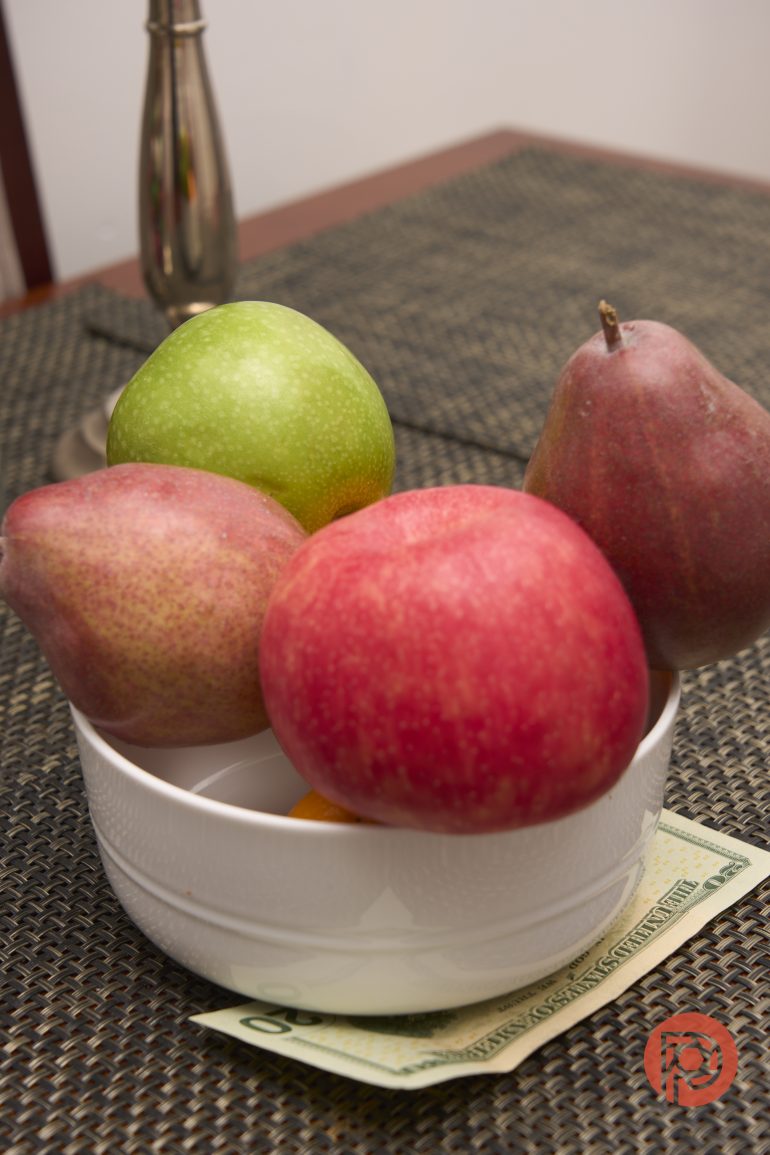
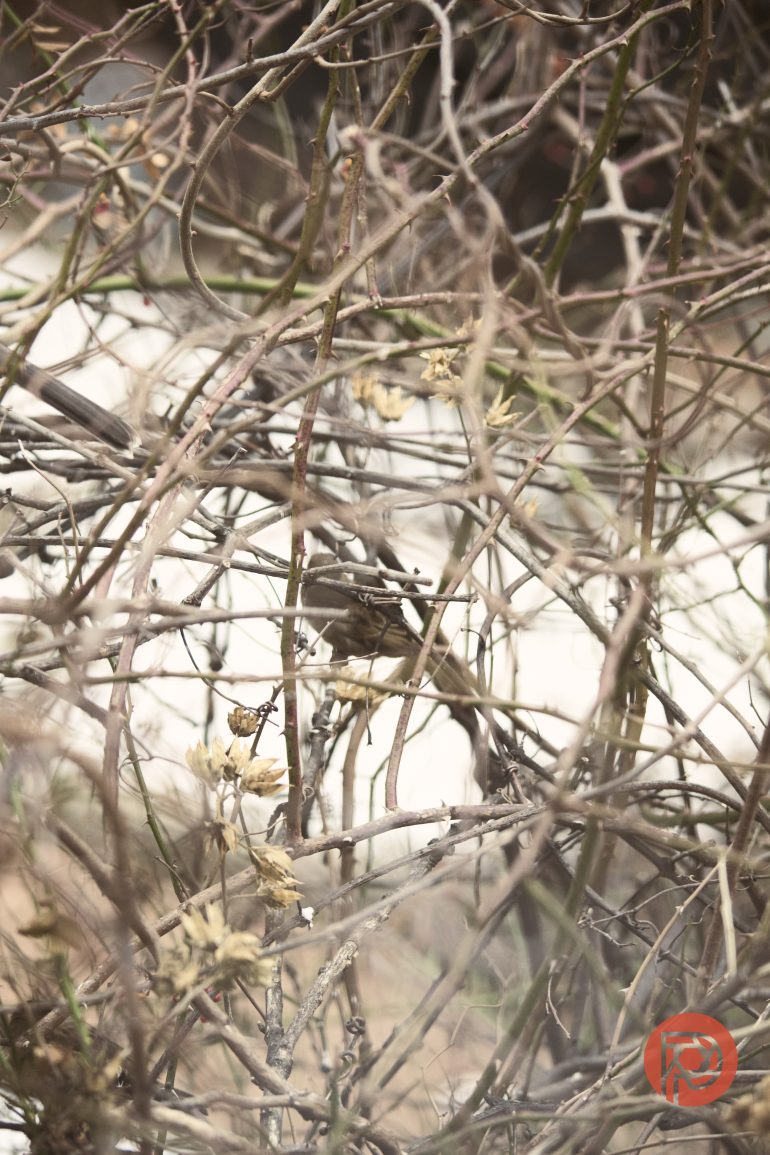
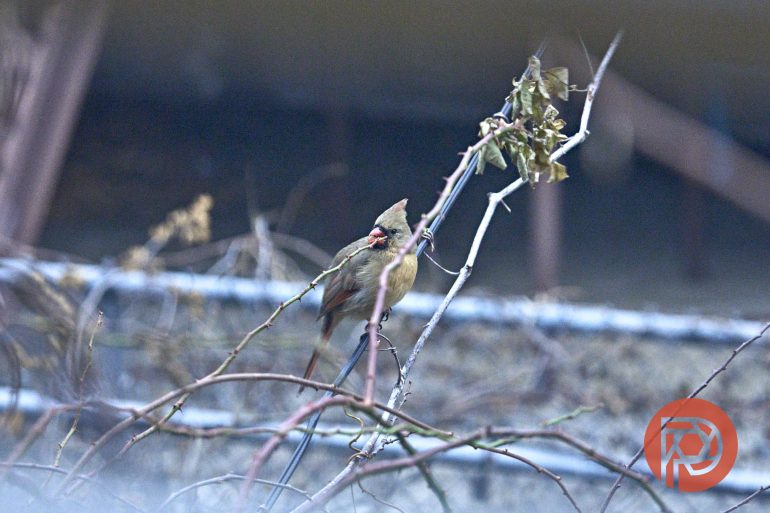
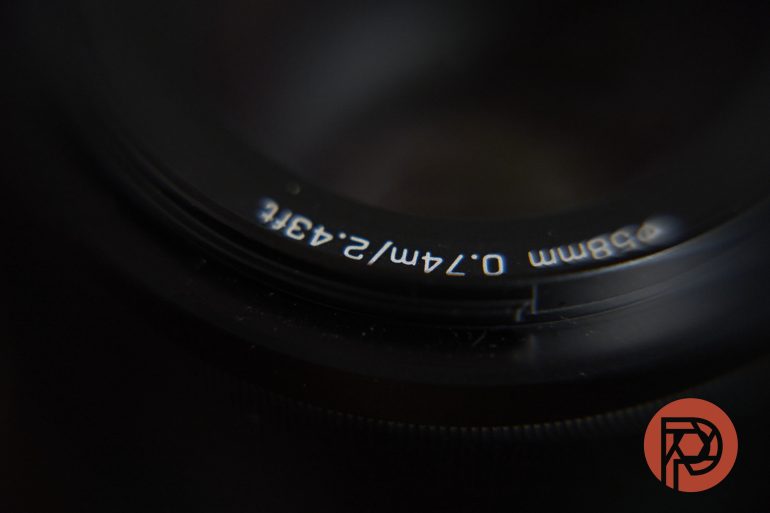
All images are screenshots from Tokina’s website.
Tokina states that the new filter features a high-transmittance polarizing film, making it one-stop brighter than the usual PL filter and eliminating any color bias. It also has an ultra-low reflection rate, with just 0.16 to 0.2% surface reflection. So, if you are shooting against the sun, this will reduce flare and ghosting. The filter’s floating frame ensures the glass remains in place, which reduces distortion that is usually seen in polarizing filters. You also get proper, sharp resolution without anything hindering your image when the filter is on.

Tokina has also included an antistatic coating, which keeps dust away. The water- and oil-repellent coating makes it more durable and easy to clean. For those who make images outdoors, this will ensure your filter stays protected.
For durability, Tokina has added a few more design features, which include knurled frame edges, Lubricated mounting screws, and thin frame design. Together, they allow you to grip the filter easily, making the process of attachment and removal quick, and a thin frame can reduce vignetting when using an ultra-wide-angle lens. The black painted edges on the outside also ensure no internal reflections affect the photograph.

At the same time, Tokina promises better color contrast, especially when the sun is on the ride of the photographer and reflection control. It is available in varying sizes, from 49mm to 95mm. The 86mm to 95mm filters will be enclosed in a special case for added protection. The 49mm filter costs 14,201 yen ($91.63), while the 95mm one costs 46,021 yen ($296.96). They will be available for shipping from November 22.
Tokina’s ZX C-PL N is certainly expensive, but it is slightly less expensive than Sony’s. However, considering the price, you will likely get professional-grade protection and quality. If you are a professional photographer, consider this as a long-term investment. Similarly, B+W, H&Y Revoring, and Cokin are good filter brands offering you polarising filters around the same price range.
However, if you are looking for cheaper options or are an enthusiast, then you must look at Hoya; it has various offerings that may suit your needs. There is also a Chinese manufacturer, the K&F Concept, that can provide you with cost-effective alternatives. Amazon has many such alternatives for you.
While purchasing, just remember that a polarising filter can help you along the way. You can always look at our website to pick and choose what works best, but having something like this on hand can help you achieve images in-camera. This greatly cuts your post-production time, which is great because you can photograph more. In a day and age when AI is making your job easy, you have to think about what works best for practice, and we believe relying too heavily on editing is not the answer to becoming a great photographer.
Get rid of the ads!
Did you enjoy reading this article as much as we enjoyed writing it? There's a way to support us and our reporting, getting ad-free navigation and more as a bonus. Subscribe to us for less than a coffee per month —just $3.99— or take advantage of our yearly subscription with a hefty discount for only $25.- An ad-free experience
- A free mystery box for Lightroom or Capture One
- All the books in our store
- 20% discount on Capture One
- 30% discount on Imalume Photo Theft Protection
- 20% off Herbs and Kettle Tea Company.
- 20% off your order from MPIX printing services.
- 5% off Viltrox Products via their eCommerce store.
- 10% off all film developing, printing and scanning services from Blue Moon Camera and Machine
- 15% off 7Artisans products: The lens and accessory maker is offering a sweet discount for Phoblographer's readers.