

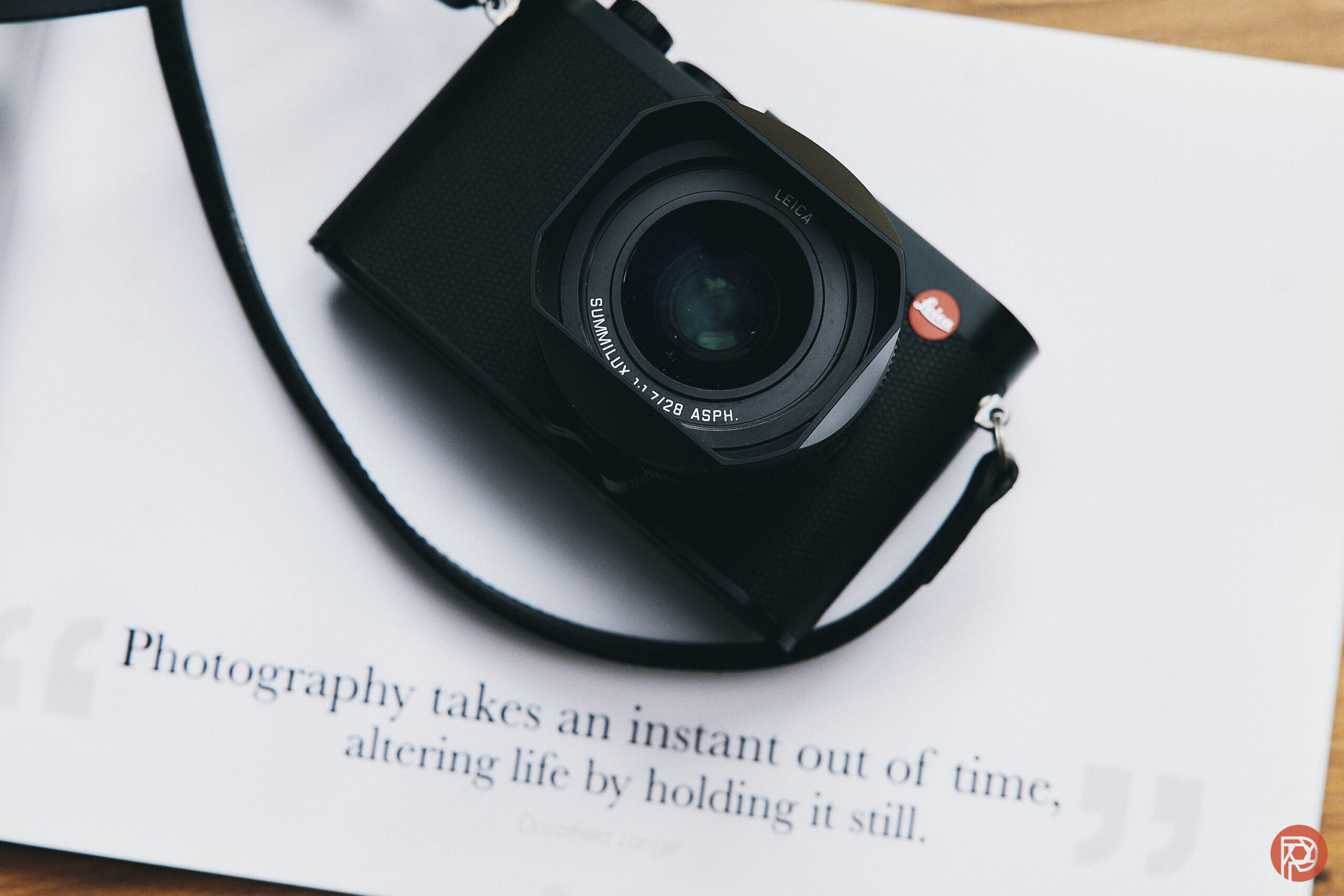
Other than the moment and the composition, many elements help a photograph stand out. For instance, editing in terms of crop and color correction. In our previous article, we mentioned how various easy-to-use software changes how we photograph, often leaving the image entirely up to post-processing. Similarly, another characteristic—which many often do not use—that can help your work to be differentiated is using captions. While the latter is an artistic choice in many cases, it remains a crucial addition. Let us explain how.
World Press Photo Highlights the Importance of Captions
In a new free educational publication by the World Press Photo, See the Story, the organization designed a wonderful, interactive PDF highlighting various significant aspects of photojournalism. For instance, the PDF details the non-profit organization’s history and how visual narratives shape our world. The aim, clearly, is to reach out to those who are not too familiar with photojournalism, more so its significance in shaping our world. It is even more powerful in distinguishing photojournalism and documentary photography from other genres like portraits or event photography.
“Captions play a crucial role in photojournalism as they provide context, depth and add to the storytelling facets of images that might otherwise remain silent,” states the PDF. They further elaborate on how captions are critical in adding insights to comprehend what the viewer sees. As an example, the World Press Photo showcases Marco Garro’s series, Silenced Crimes, which was seen in the Open Format category. Garro focused on the consequences of persecution and torture of LGBTI people in the Peruvian jungle between 1980 and 2000. It’s been over 20 years, yet the government refuses to speak up and acknowledge their heinous crimes.
Each of the photographs, some of which are unstaged portraits, too, are evocative. However, without a caption, the stories, especially the personal narratives and the complex history of the place and the community, will be left to obscurity. With the caption, one can also start a discussion about the significance of chronicling stories and social justice. With more awareness, one could even start a peaceful protest in favor of those who are survivors of human rights violations.
Captions Are Also Significant in Other Genres, Too
You may think that photojournalism and documentary photography are vital areas in which captions are utilized. But there are other important places where they are quite critical. For example, wildlife photography, underwater photography, or documentation of rare artifacts and locations. In each instance, it is critical to showcase the subject while highlighting what makes it important as well. Let me draw another illustration for you. In 2017, I was assisting a still-life photographer whose role was to chronicle the artifacts of a collector. This included paintings from Indian artists, a collection of photographs of the country from the 19th century, and literature from around the world. As part of the job, we also had a researcher who would create a catalog of the date, the title, and what was seen in the image.
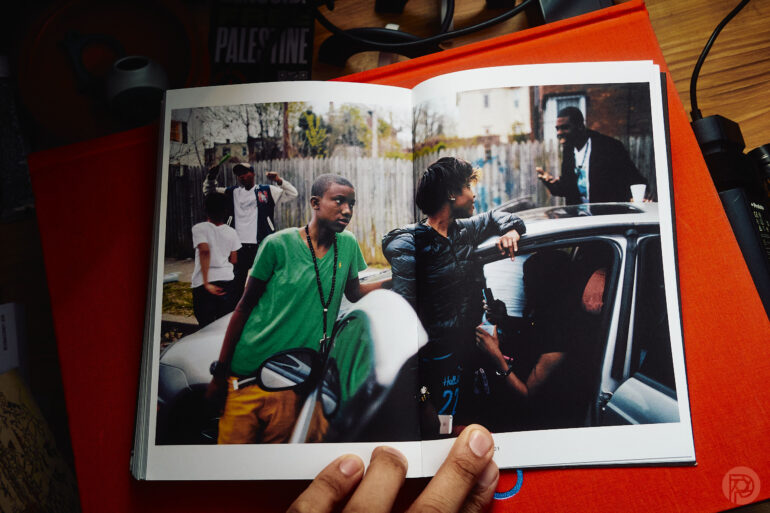
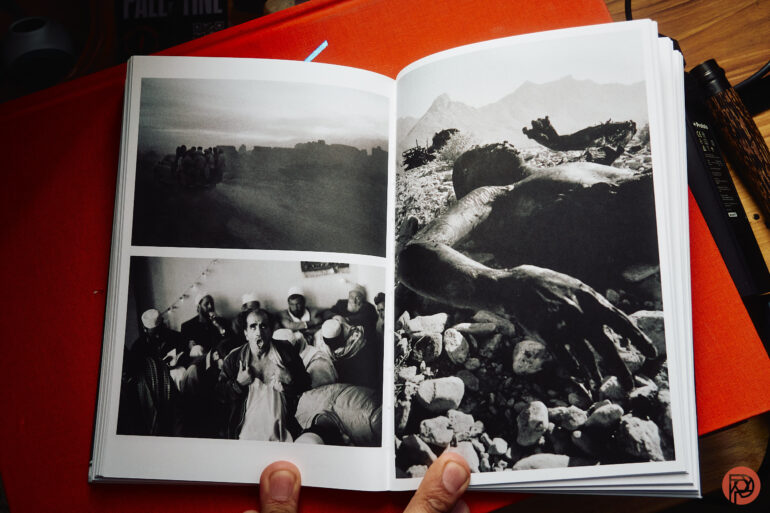
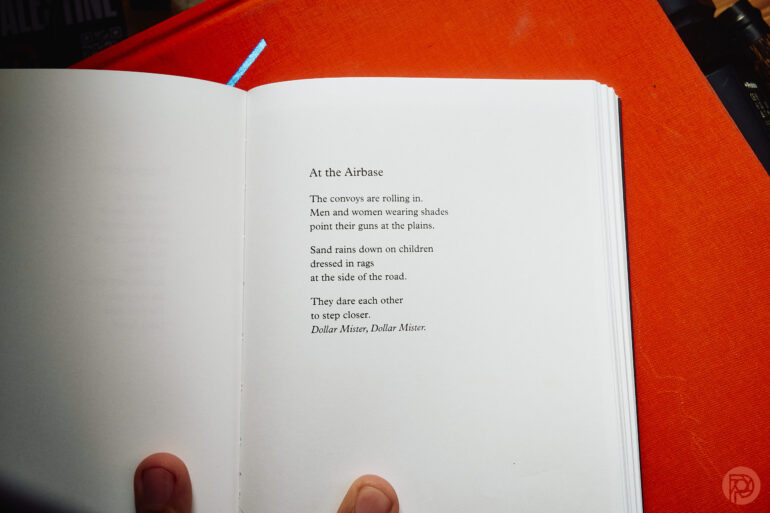
Even when it comes to events, weddings, or even landscapes, a small caption can really go a long way. Perhaps, in portrait genres, you stick to a title instead of captions. However, from what Barbara Peacock, a Getty Grant-winning photographer, told us, her environmental portraits often carry anecdotes of her subjects, which is paramount to the project. “Many folks may not have much of a voice and perhaps are unseen. Now, they have been given a platform,” she told me in an interview.
Captions don’t necessarily mean factual data, even for conceptual and street photographers. They can be poetry or writings that help the image evolve. For instance, Katrin Koenning uses poetry with her images as captions, and when you look at them as a whole, the photographs and the text elevate the project to greater heights. Similarly, Seamus Murphy’s photobook, The Hollow of the Hand, is another example where Murphy collaborated with poet PJ Harvey for the book.
The next time you debate the use of captions, return to this article. Perhaps, we can help to resolve the dilemma.
Get rid of the ads!
Did you enjoy reading this article as much as we enjoyed writing it? There's a way to support us and our reporting, getting ad-free navigation and more as a bonus. Subscribe to us for less than a coffee per month —just $3.99— or take advantage of our yearly subscription with a hefty discount for only $25.- An ad-free experience
- A free mystery box for Lightroom or Capture One
- All the books in our store
- 20% discount on Capture One
- 30% discount on Imalume Photo Theft Protection
- 20% off Herbs and Kettle Tea Company.
- 20% off your order from MPIX printing services.
- 5% off Viltrox Products via their eCommerce store.
- 10% off all film developing, printing and scanning services from Blue Moon Camera and Machine
- 15% off 7Artisans products: The lens and accessory maker is offering a sweet discount for Phoblographer's readers.
- 15% off a VSCO One subscription: Get a bunch of great tools with their all-in-one package.